Last updated November 23, 2026
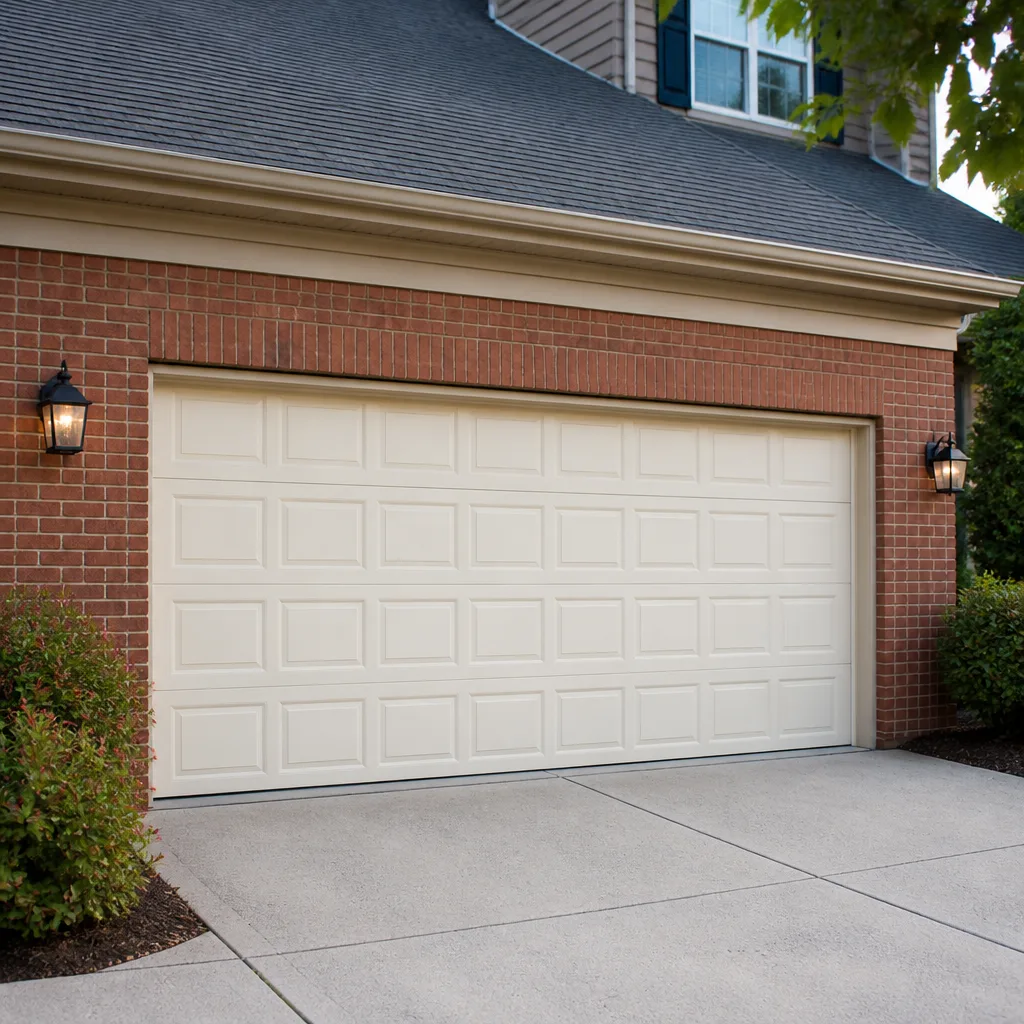 Raised-panel steel
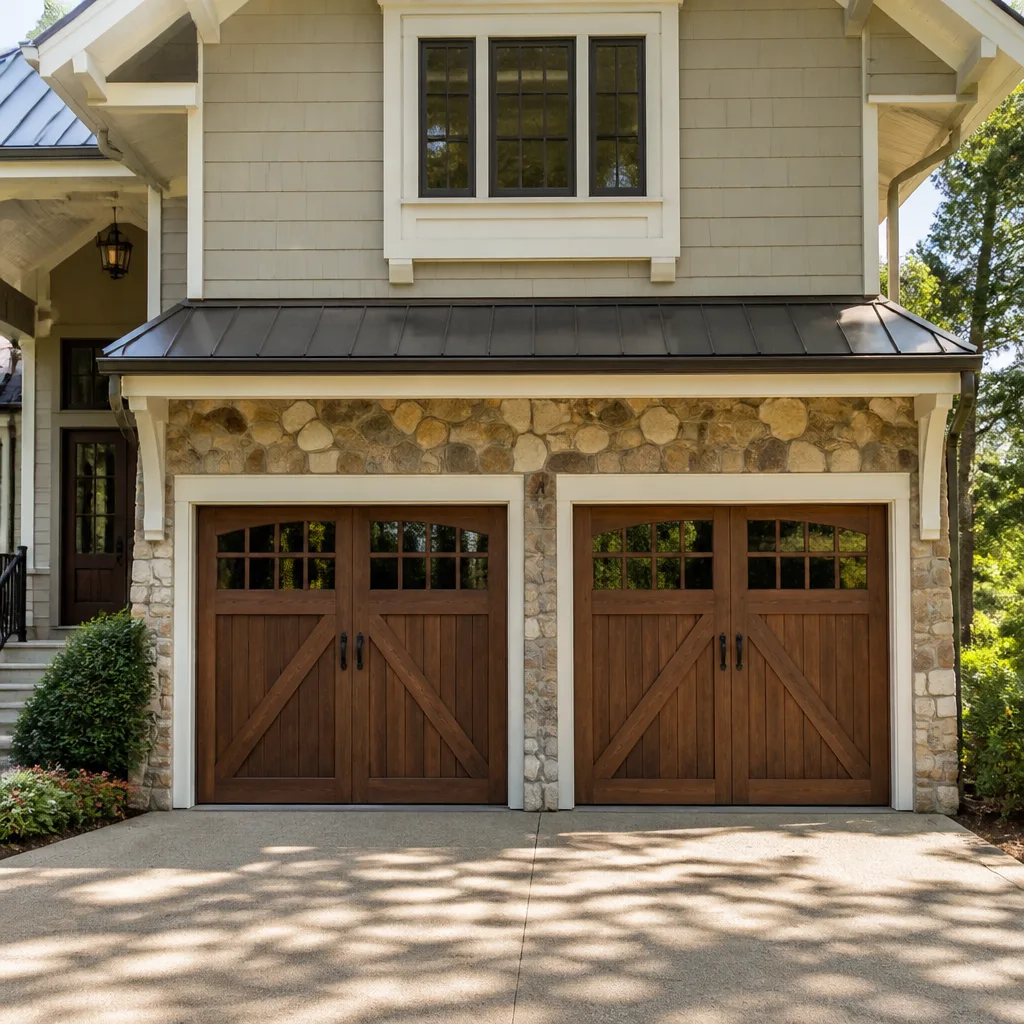 Carriage house
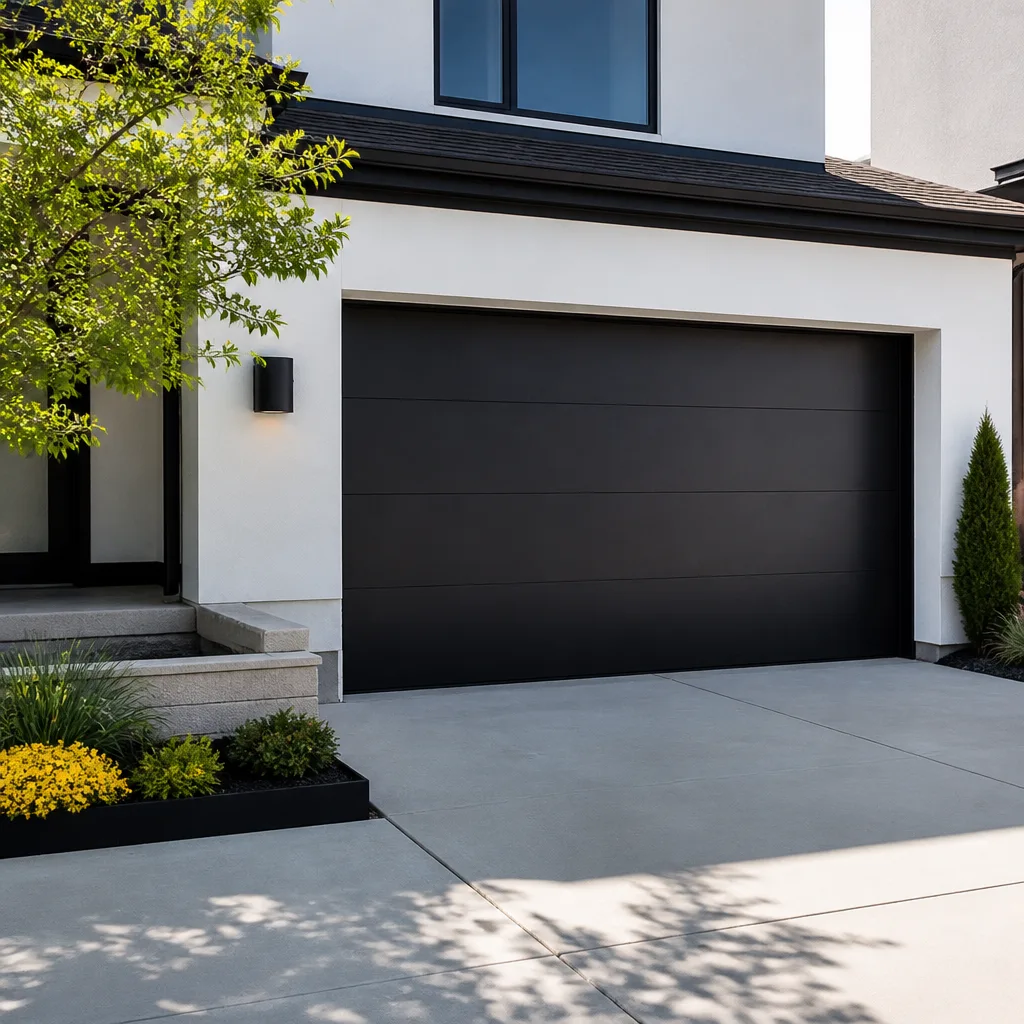 Modern flush
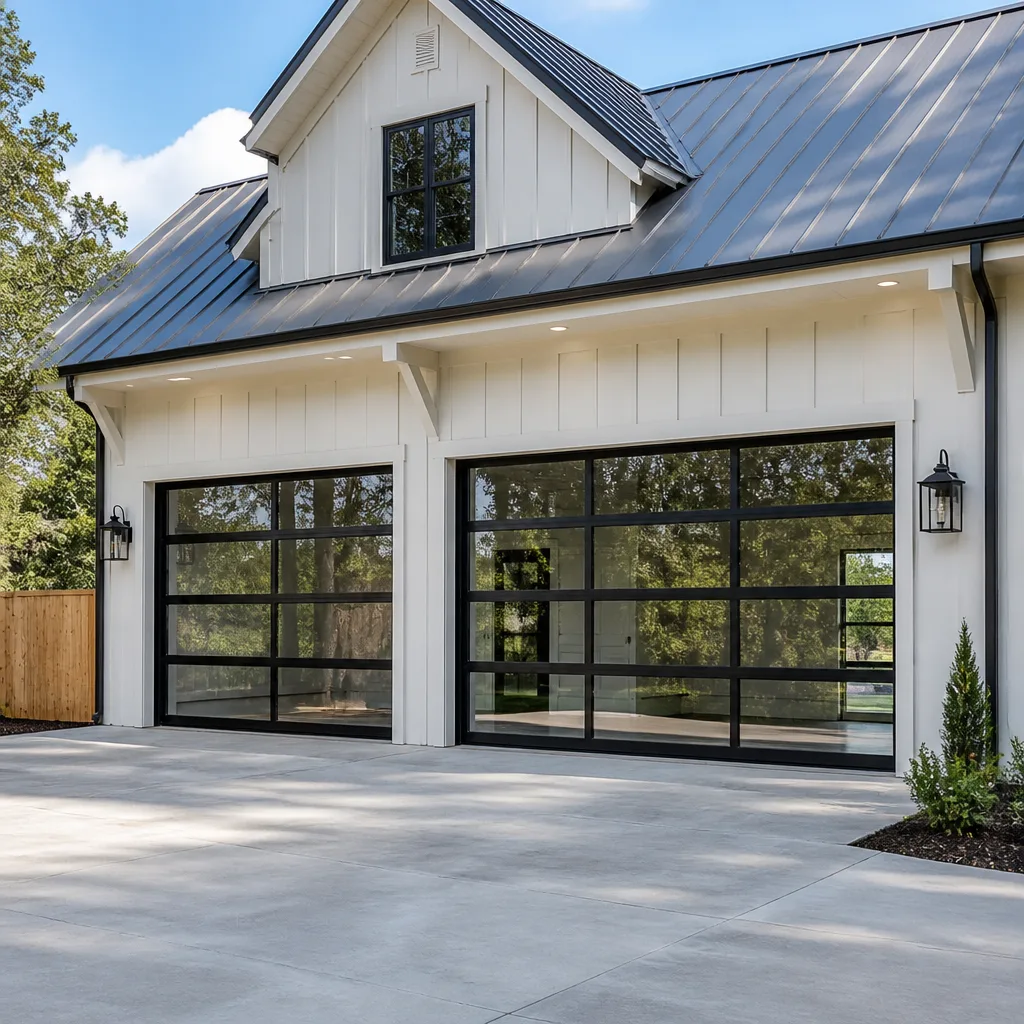 Full-view glass
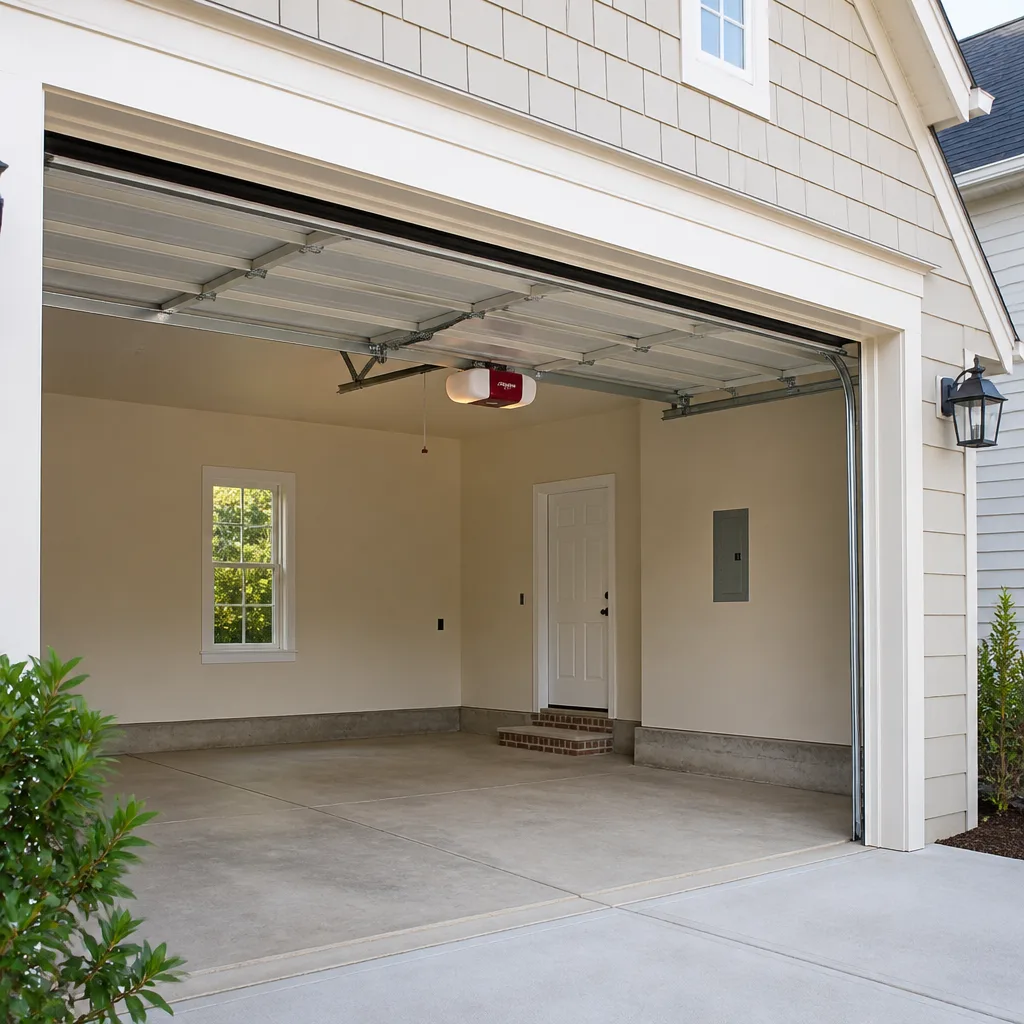 LiftMaster openers
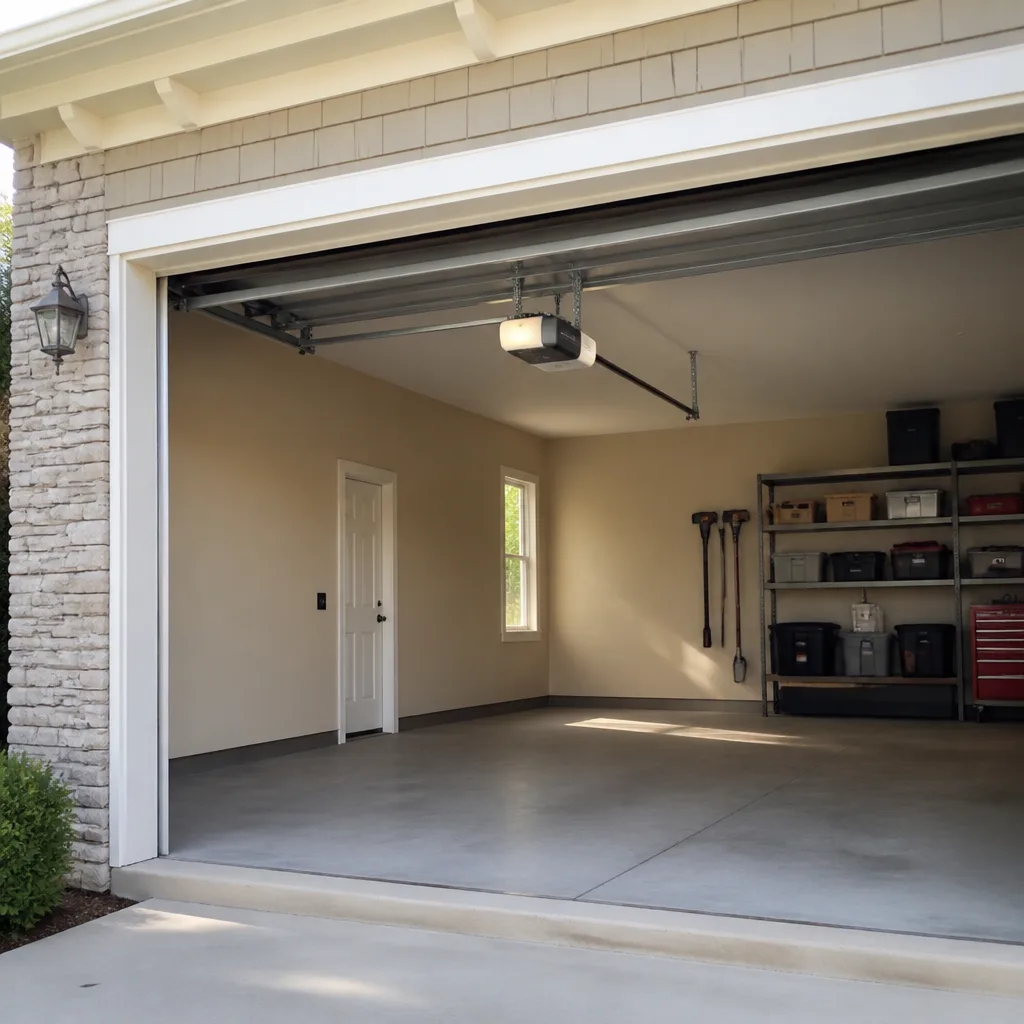 Chamberlain openers
Full 25-point door and opener safety check with every visit - springs, cables, rollers, tracks, and your LiftMaster or Chamberlain opener included
You get a price before we start. It does not change when the pro arrives.
Get your free estimateGarage Door Emergency Preparedness Guide for West Hartford Homes
Most homeowners believe the dangerous part of a garage door failure is the noise. It isn’t. The dangerous part is what people do in the ten minutes after the noise, when a door hangs crooked and a car sits trapped underneath and adrenaline takes over. If your spring snaps tonight, you really have three options, and only one of them avoids bending panels, stripping an opener gear, or putting your hands somewhere they should never go. This guide covers what to do in the dark before anyone arrives, how West Hartford’s winter changes the playbook, and what to have ready so a technician walks in with the right part on the first trip.
Quick Answer
In a West Hartford garage door emergency, the safe move is always the same: leave the door where it is, secure the opening if the door is stuck up, and call for emergency service rather than forcing the door by hand. Never try to lift a door with a broken spring and never touch the torsion bar, springs, or cables. We’re open Sunday through Friday, 7am to 7pm and closed Saturday, and we can be reached at (855) 337-1712 when a door fails.
Styles & brands we work with
- Raised-panel steel
- Carriage house
- Modern flush
- Full-view glass
- LiftMaster openers
- Chamberlain openers
Table of Contents
- The Four Garage Door Emergencies and What to Do First
- The Emergency Release Cord: How to Use It Without Dropping the Door
- Winter Emergencies in West Hartford: Frozen Seals and Ice-Locked Doors
- What to Have Ready Before You Call
- Securing an Open Garage Overnight
- What to Do When the Car Is Trapped Inside
- Repair or Replace: Reading the Signs After an Emergency
- Common Mistakes to Avoid
The Four Garage Door Emergencies and What to Do First
Nearly every emergency call we take in West Hartford falls into one of four categories. Each has a different first move, and getting the first move right is what keeps a repair small.
1. Broken spring. You hear a bang like a firecracker from the garage, and the door won’t lift or won’t stay up. A torsion spring breaks and the door loses its counterbalance entirely. The door becomes dead weight, often several hundred pounds of it, held only by the opener or by nothing at all. Do not lift it. Do not run the opener. Call for garage door spring repair. Spring failure is a safety issue, not just an inconvenience, and it’s one of the few jobs where the risk of injury to a homeowner attempting it is genuinely serious.
2. Snapped cable. A cable lets go and the door hangs crooked, one side lower than the other. The drum may have wire wrapped around it loosely or not at all. This is the classic case where a homeowner tries the opener “just to see” and the door twists in the tracks, turning a cable job into a cable and panel job. Stop using the opener the moment the door looks crooked.
3. Door stuck mid-travel. The door stops halfway and won’t budge, or it reverses immediately every time it comes down. Causes range from a jammed roller or a bent track to a failing logic board or a misaligned safety sensor. This one is usually diagnosable, and often it’s an opener problem rather than a door problem. That’s where garage door opener repair comes in, and knowing the difference saves a wasted visit.
4. Opener failure during a power outage. The door is fine. The opener is fine. The power is out, and you need to get a car out. This is the one emergency where the homeowner can usually solve the problem alone, using the release cord correctly. We cover that next, because it’s the step most people get wrong. If the power is on and the opener is dead, that’s a different problem, and a dead opener on a LiftMaster or a Craftsman in a West Hartford home is usually a straightforward diagnosis for a technician who knows that specific system.
The Emergency Release Cord: How to Use It Without Dropping the Door
The emergency release cord disconnects the door from the opener so you can raise it by hand. It exists for power outages. It is not a solution for a broken spring, and pulling it on a door with a failed spring can let the full weight of the door come down fast. This is the single most common mistake we see, and it’s the one that bends panels and can injure whoever is standing under the door.
Here’s how to tell whether the cord is safe to pull. Stand inside the garage and look at the springs, which sit above the door on a torsion bar or alongside the tracks on extension springs. If a spring is visibly broken, hanging, or separated, do not pull the cord and do not raise the door. Call for service.
If the springs are intact and the only problem is power, here’s the sequence:
- Clear the area. Make sure nobody, including pets, is standing in the path of the door.
- Stand to the side, not in front. A door that comes down unexpectedly comes down in the center of the opening.
- Lower the door fully first. With the opener disconnected, bring the door to the closed position by hand before you try to raise it. Never pull the cord with the door already partway up and under tension.
- Pull straight down and hold. On most openers the trolley release is a cord with a handle. Pull it straight down, in line with the trolley, until it clicks. Do not yank it sideways or at an angle.
- Lift with two hands, firmly and slowly. An intact door with working springs should lift with one hand easily. If it feels heavy, stop and put it back down. Heavy means the springs are not doing their job, and that’s a service call, not a hand-lift.
To reconnect after the outage, run the opener once so the trolley travels back to meet the door, then pull the release cord toward the opener to re-engage. Test the door with the opener once before you rely on it. Older Craftsman and Genie openers sometimes need the trolley nudged by hand to re-engage cleanly. If it won’t reconnect, don’t force it. Call us.
Winter Emergencies in West Hartford: Frozen Seals and Ice-Locked Doors
West Hartford winters bring a specific failure that has nothing to do with the door’s age: the bottom seal freezes to the concrete. The door cycles up once, rips the seal loose or leaves it stuck to the floor, and then won’t close properly the next time. On a very cold morning the door bottom itself can be frozen to the apron, and the opener either strains or reverses on the safety sensors.
What to do:
- Never pour hot water on a frozen door bottom or seal. The thermal shock can crack the seal, warp the panel, and the water refreezes in minutes, making the situation worse. It also creates a slick patch on the apron where you or a family member can slip.
- Never force the door with the opener repeatedly. Cycling an opener against a stuck door strips the gear and can burn out the motor. If the door won’t release after one attempt, stop.
- Free it gently from the outside edge. A plastic scraper or a soft-bristled broom along the bottom edge of the seal, worked from one end to the other, will often break the bond. Don’t use a metal shovel or a screwdriver. You’ll cut the rubber and scratch the door.
- Check the seal after. If it’s torn, cracked, or has pulled free from the retainer, replacing it is cheap and it’s what keeps water out of the garage all winter.
Ice in the tracks is the other winter problem, and it’s usually worse in older garages in neighborhoods like Elmwood or behind homes near the Center where the driveway grades toward the door. If the door has to travel up an incline to close, meltwater pools at the apron and freezes overnight. Shovel the apron clear before you run the door on a cold morning. If the tracks themselves are iced, don’t chip at them with anything metal. Call and we’ll advise, or come out if the door is genuinely stuck.
What to Have Ready Before You Call
The single biggest thing that slows down an emergency repair call is missing information. If a technician has to arrive, look at the door, and then go find a part, you’ve lost an hour or more. This is especially true with brand-specific parts. A Wayne Dalton torsion system and a Raynor system don’t take the same components, and a LiftMaster opener has different logic boards than a Genie. Gathering four pieces of information before you dial gets the right technician with the right parts dispatched the first time.
- Door dimensions. Width and height in inches, measured across the inside of the opening. Rough standard sizes are easy to mistake, so measure, don’t guess.
- Opener brand and model. Look at the motor housing or the wall control. Most have a label with the model number. LiftMaster and Chamberlain units usually print it on a sticker near the light lens. If it’s a Craftsman, check the back panel. Genie units often have it under the light cover.
- Spring type. Torsion springs run on a horizontal bar above the door; extension springs run alongside the tracks and stretch. Tell us which you have, and if you can safely glance without touching, the color painted on the spring coil. The color indicates wire gauge.
- Access situation. Can a car get out? Is the garage detached or attached? Is the driveway steep or snow-covered? If the door is stuck open, is the garage front visible from the street?
Also tell us what the door is doing: won’t open at all, opens partway and reverses, opens but won’t close, or closes but the light flashes and it goes back up. That last one is almost always a safety sensor issue, and it often doesn’t need a technician at all. If you’re not sure which category you fall into, our garage door repair line can help you sort it out before anyone comes out.
Securing an Open Garage Overnight
If the door is stuck up and you can’t get a technician until the next morning, the priority shifts from the door to the contents of the garage and the door from the house into it. There are several practical ways to close the opening or restrict access without damaging the door or anyone else.
- Park a vehicle tight against the opening, inside the garage. Block the visual and physical path in. This is the simplest option if you have a car in the garage.
- Lock the door between the garage and the house. This is not the time to leave it unlocked. Deadbolt it if it has one.
- Use the manual slide lock if your door has one. Many doors have a slide bolt or latch that holds the door in the track. If the door is up, slide the lock into the track on both sides to keep it from sliding down unexpectedly. If the door is in a fixed position, the lock keeps it there.
- Do not prop the door with ladders, bricks, or boards. A garage door over three hundred pounds of door resting on a prop is a fall waiting to happen, and it puts the door in a position where a gust of wind or a bump can drop it. Use the track lock you already own.
- Consider a temporary barrier for the opening. A heavy tarp or plastic sheeting stretched across the opening and secured to the frame with clamps or heavy tape will keep rain, snow, windblown debris, and casual attention out. It won’t stop a determined person, but it removes the invitation.
If the door is stuck up and it’s going to be wet or snowing, that tarp matters. Water on the garage floor and into the garage isn’t a small thing, and it’s far more likely in a January cold snap than in summer. Cover it before you go to bed.
What to Do When the Car Is Trapped Inside
A car trapped behind a dead door is the most stressful version of this for most people, because the clock is running. Here’s the honest breakdown.
If the power is out and the door is otherwise fine: use the emergency release cord as described above, raise the door by hand, drive out, and lower it. This works. Bring someone with you to help if the door is large.
If a spring is broken: you cannot raise the door by hand. The door is too heavy and there’s nothing to counterweight it. Do not try. If the car absolutely must get out, the service call is the only safe route. Most car-sharing and ride-hailing options exist in West Hartford; if you need to get somewhere, that’s the practical answer for one morning.
If the opener has failed but the springs are intact: the release cord works here too. Disconnect the opener, raise the door by hand, drive out, lower it, and call for garage door repair when you’re back. A dead opener is inconvenient but in most cases the door remains usable manually until it’s fixed.
One more thing to note. If the car is trapped and there’s an emergency, do not under any circumstances attempt to raise a door with a broken spring by backing a car against it or using a winch on the opener rail. This is how people end up with a door on top of a car, or worse. The door is not going to cooperate with force, and force is what takes a simple spring replacement up to a full door replacement.
Repair or Replace: Reading the Signs After an Emergency
After the immediate crisis is handled, the next question is whether the door needs repair or replacement. We’re honest about this because the wrong answer costs you money either way. Here’s how we read it.
Repair is usually the right call when:
- The door is under fifteen or twenty years old and the panels are straight.
- The failure is a spring, cable, roller, hinge, or opener component and the rest of the door is sound.
- The tracks are intact and the panels aren’t bent or rusted through.
- The door operates reasonably smoothly by hand once the mechanical issue is fixed.
Replacement becomes the better answer when:
- Two or more panels are bent or crushed, which is common after a door has been forced or run on a broken spring.
- The door is showing rust-through at the bottom panel or along the hinges, or the bottom section is rotting.
- The opener and door are both original to an old house and the combined replacement cost is close to what repairs would be.
- You’re already living with a recurring problem: repeat track adjustments, repeated sensor failures, doors that need constant babysitting.
If you’re in a West Hartford home built in the mid-century era, the door may be 40 or more years old. At that point, parts for the original system can be a problem, though we work on Wayne Dalton and Raynor equipment regularly and there’s usually a path. What matters is that you get a straight answer on whether the money is better spent on a repair or a new door. That’s the conversation we want to have before you decide, not after.
Common Mistakes to Avoid
- Pulling the emergency release cord on a door with a broken spring. This is the top mistake we see in West Hartford. With no spring counterbalance, the door slams down, and the damage can go from a spring replacement to a spring and panel job.
- Running the opener “just to see.” Trying the opener again and again on a jammed door will strip the drive gear inside the opener. What was one repair becomes two. If it didn’t work the first time, stop.
- Pouring hot water on a frozen door bottom. The seal cracks, the panel can warp, and the meltwater refreezes. Use a plastic scraper or a soft broom along the bottom edge, from one end to the other.
- Propping a damaged door open with a ladder or boards. A garage door is heavy enough to crush a prop and whatever is under it. If the door has to stay open overnight, use the track lock, and if it doesn’t have one, secure the opening a different way. Never rely on a prop to hold up several hundred pounds.
- Forcing the door by hand to see if it will move. If it’s heavy, it’s not working, and pushing it does damage. A door with intact springs lifts with one hand. If it doesn’t, there’s a mechanical problem and it needs a professional.
- Calling without the door dimensions, opener brand, or spring type. Every one of those details missing adds a trip. Have them ready before you dial, and the right part gets loaded on the first call.
- Assuming a dead door is a dead opener. A door that won’t move might have a snapped cable, a broken spring, or a tripped sensor. Assuming it’s the opener and buying a new one solves nothing if the door is the problem. Diagnose the door first.
See the difference
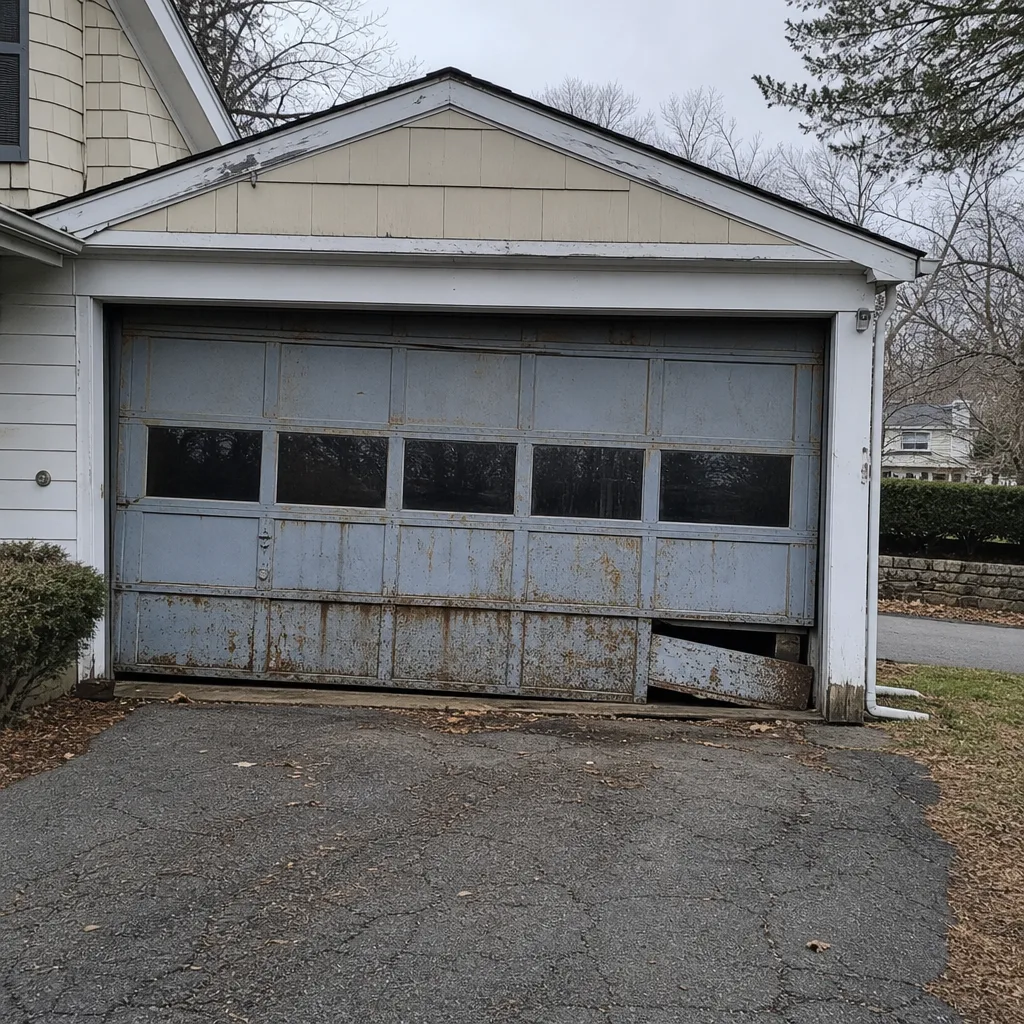 Before
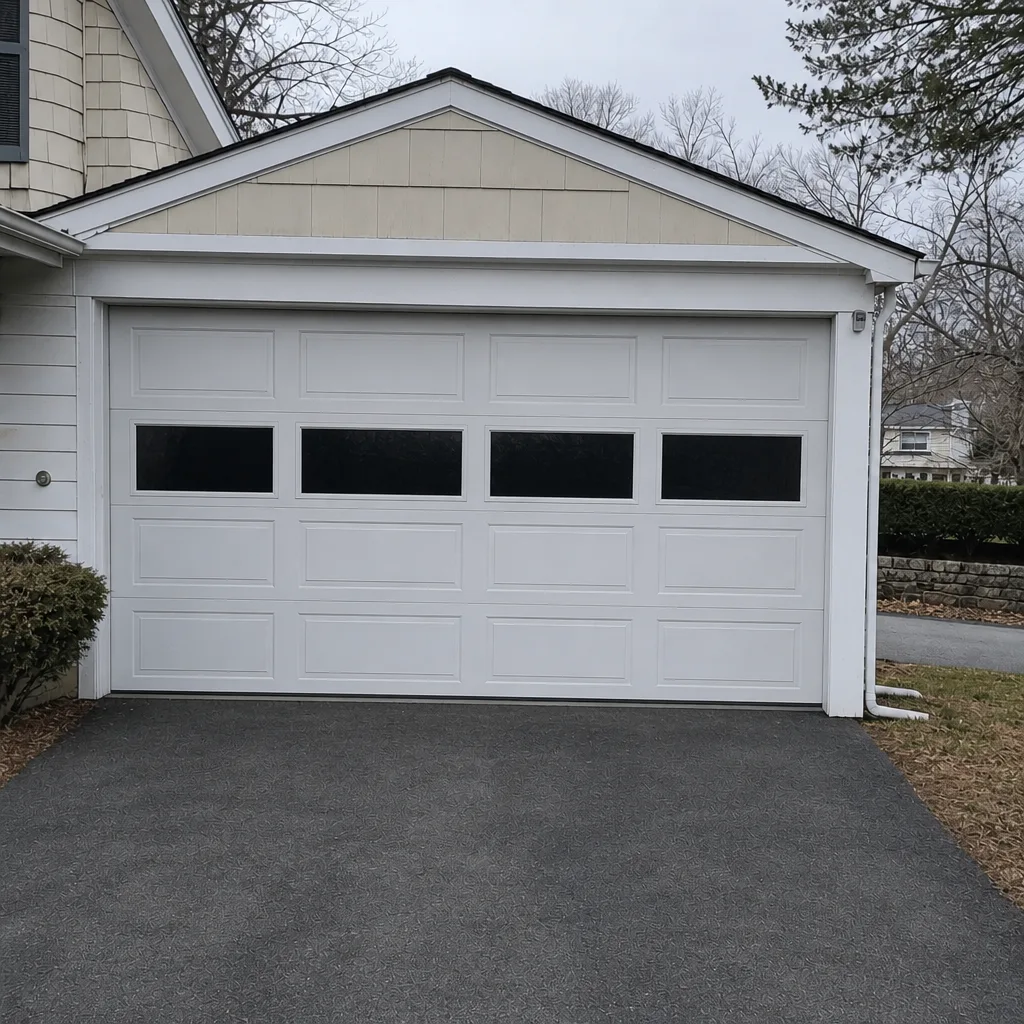 After
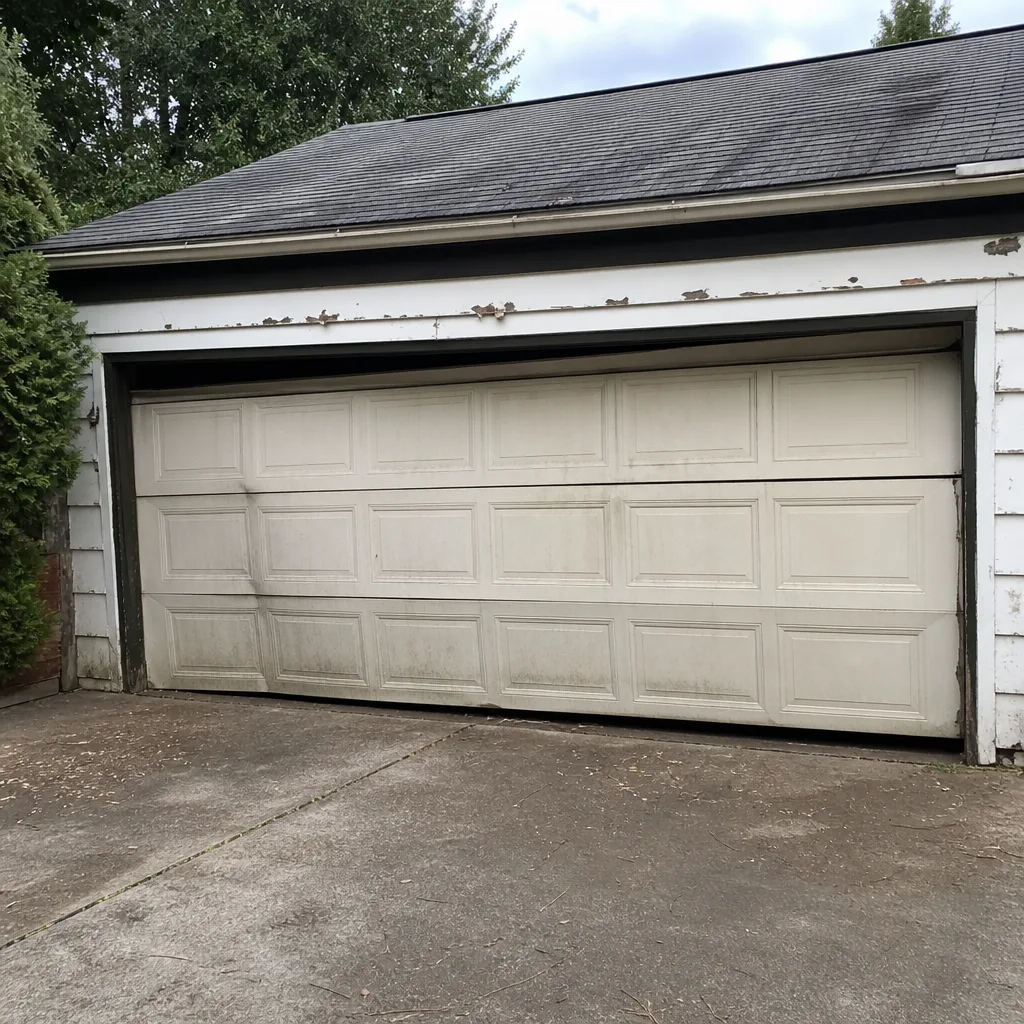 Before
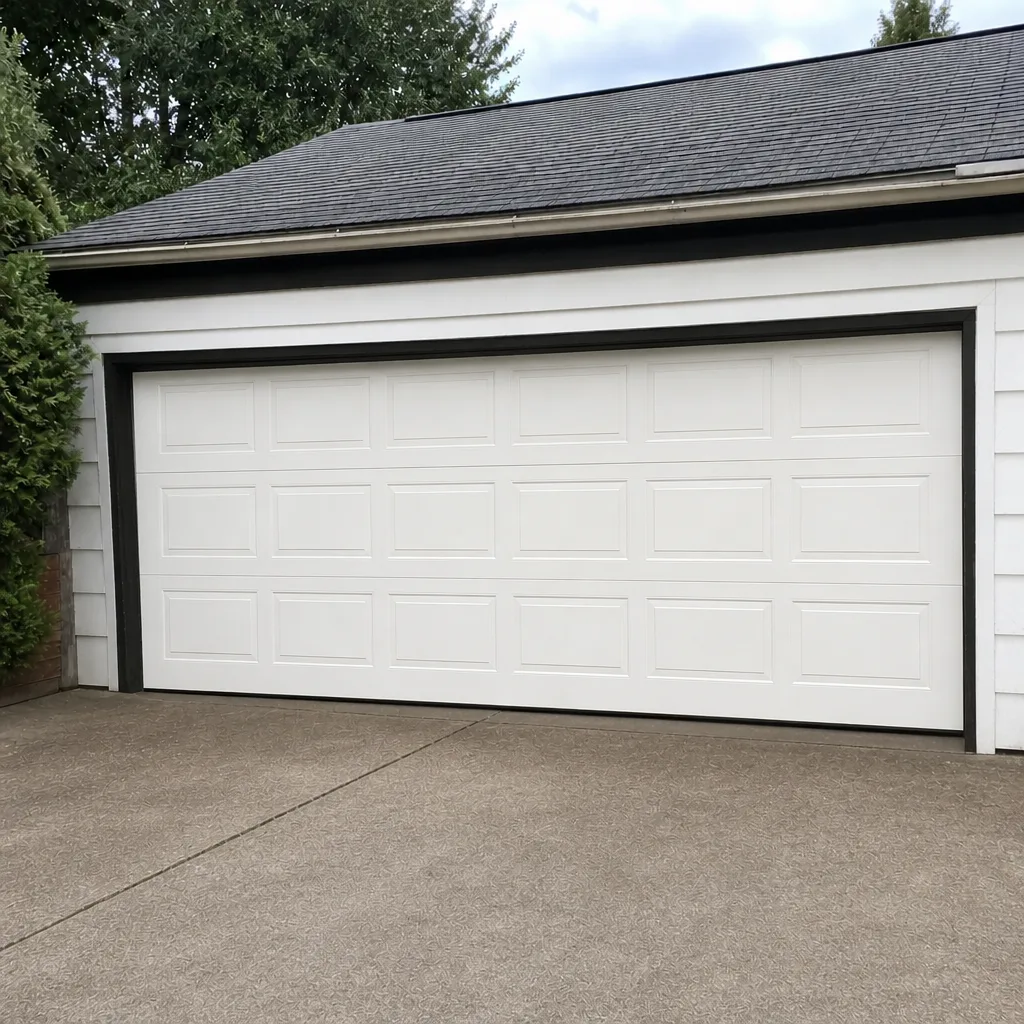 After
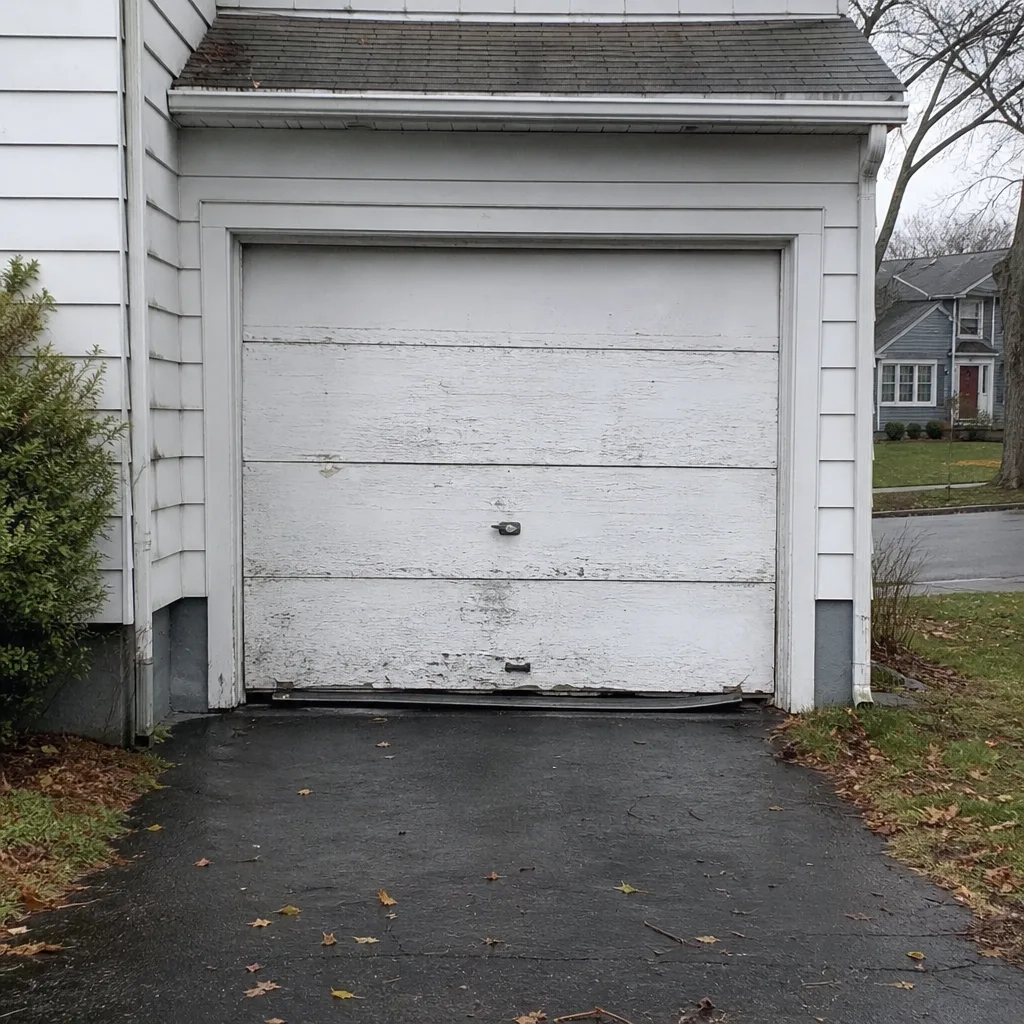 Before
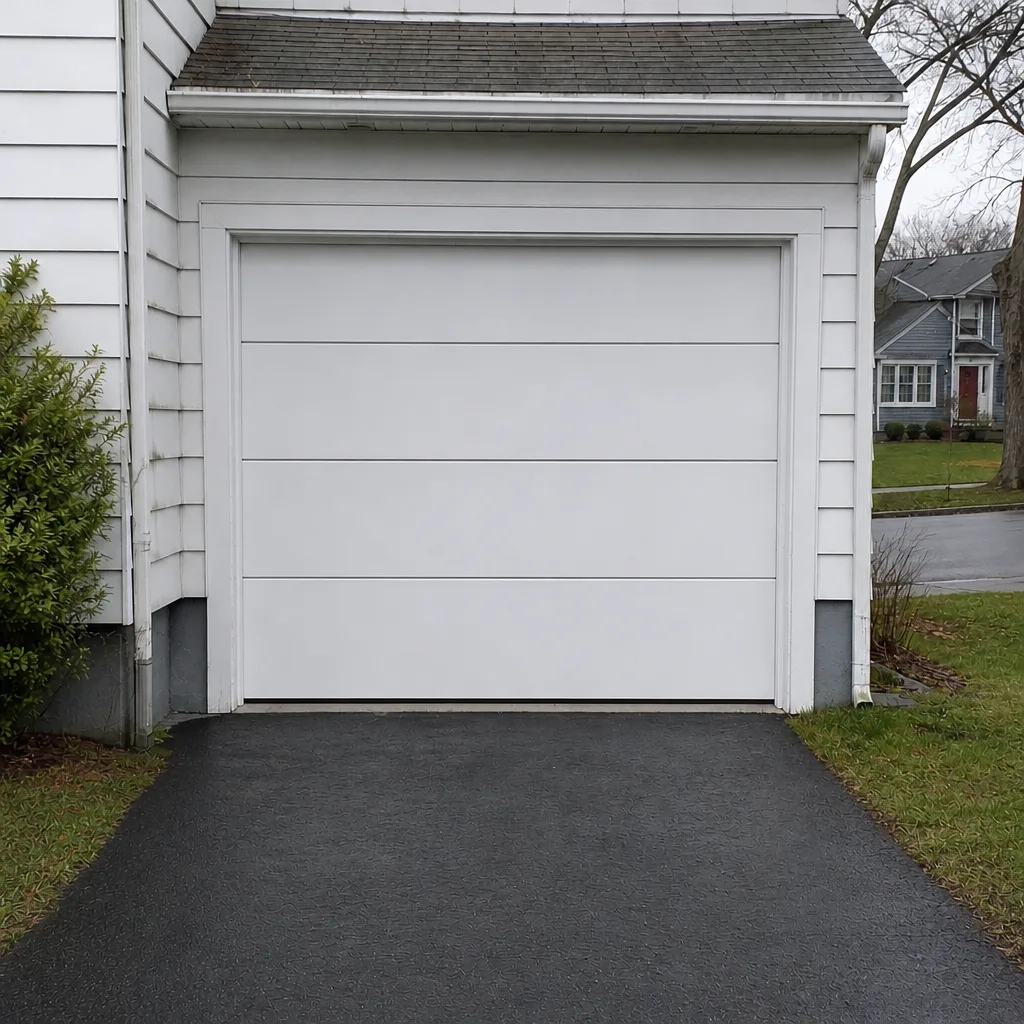 After
When to Call a Professional
Call a professional any time a spring is broken, a cable has snapped, the door is misaligned or hung at an angle, or the door can’t be safely lifted by hand. Call us also if the opener runs but the door doesn’t move, if the door reverses unexpectedly, or if the door hangs open and won’t close. If you’re unsure, call. A free phone conversation costs nothing and one wrong move on a tensioned system can cost a lot. West Hartford Garage Door Repair Pros offers free estimates in West Hartford, and we work on the brand already in your garage, from LiftMaster and Chamberlain openers to Clopay, Amarr, and Wayne Dalton doors. Call (855) 337-1712. We’re open Sunday through Friday, 7am to 7pm. Our technicians have up to 15 years of experience with these systems, and spring failure is a safety issue, not just an inconvenience.
Frequently Asked Questions
Leave the door where it is, don’t run the opener, don’t try to lift it, and don’t pull the emergency release cord. Secure the opening if the door is stuck up, lock the door into the house, and call (855) 337-1712. Spring failure is a safety issue, not just an inconvenience, and a door with a broken spring is far heavier than it looks. The written estimate we give you sets the final price, and nothing starts until you agree to it.
No. We’re closed Saturday and open Sunday through Friday, 7am to 7pm. If your door fails on a Saturday, call and we’ll book you for a Sunday visit. If the door is stuck open overnight, use the track lock or a temporary tarp over the opening as a stopgap, and don’t force anything in the meantime. A safe call beats a fast one.
The opener is the problem if you hear the motor running but the door doesn’t move, if the opener lights flash and the door reverses, or if the wall control is dead but the door lifts fine by hand. The door is the problem if it won’t lift by hand, hangs crooked, or won’t stay up. A broken spring and a dead opener look similar from a distance and are completely different fixes. Tell us what you’re seeing and we can usually sort it out on the phone.
Yes, if the springs are intact. Lower the door fully first, pull the cord straight down, and lift with two hands. The door should come up with one hand of effort. If it feels heavy, stop and put it down, because that means the springs aren’t doing their job. Never pull the cord on a door with a visibly broken spring.
No. We give you a written estimate before any work begins, and the written estimate is the price. If something unexpected shows up once the door is apart, we tell you before we touch it and you decide. No surprise invoices. Call (855) 337-1712 for an exact quote. Estimates are free.
The local pro who comes to your home is licensed and insured as Connecticut requires. We can work with your insurer if your policy covers the repair, and we can give you the documentation your adjuster needs. Spring, cable, and opener repairs are all in scope, and we handle the full job from diagnosis to installation if the door needs replacing. Call (855) 337-1712 to get started.
The Bottom Line
A garage door emergency in West Hartford comes down to doing the right thing in the first ten minutes. Leave a broken door alone. Never pull the release cord on a door with a broken spring. Don’t force a frozen door with hot water or with the opener. Have the door dimensions, opener brand, spring type, and access situation ready before you call, and the right technician arrives with the right part. We’re open Sunday through Friday, 7am to 7pm, and closed Saturday. Call (855) 337-1712 for a free estimate. The written quote is the price, and the work starts when you say so.
If your door is still holding on and you’re planning ahead, our main page at West Hartford Garage Door Repair Pros is the place to start.
Written by the team at West Hartford Garage Door Repair Pros.