Last updated November 23, 2026
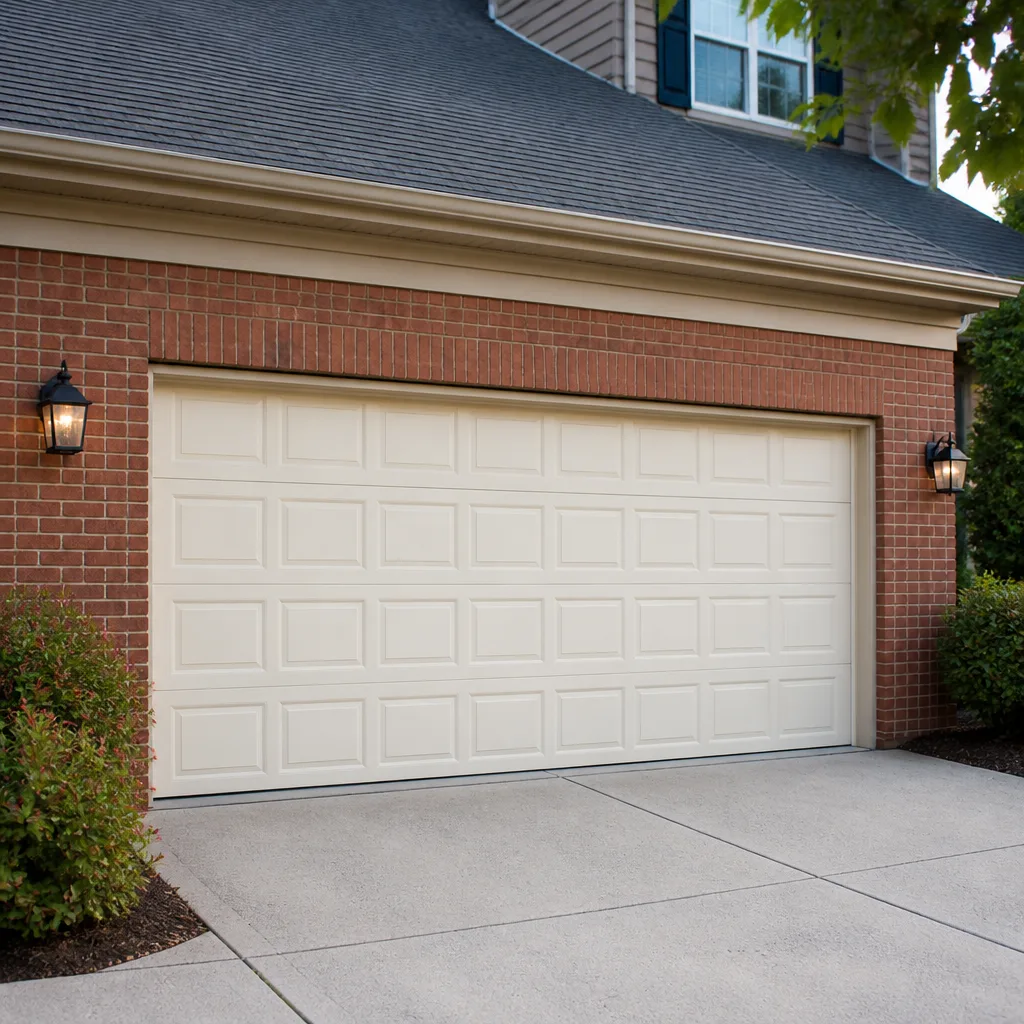 Raised-panel steel
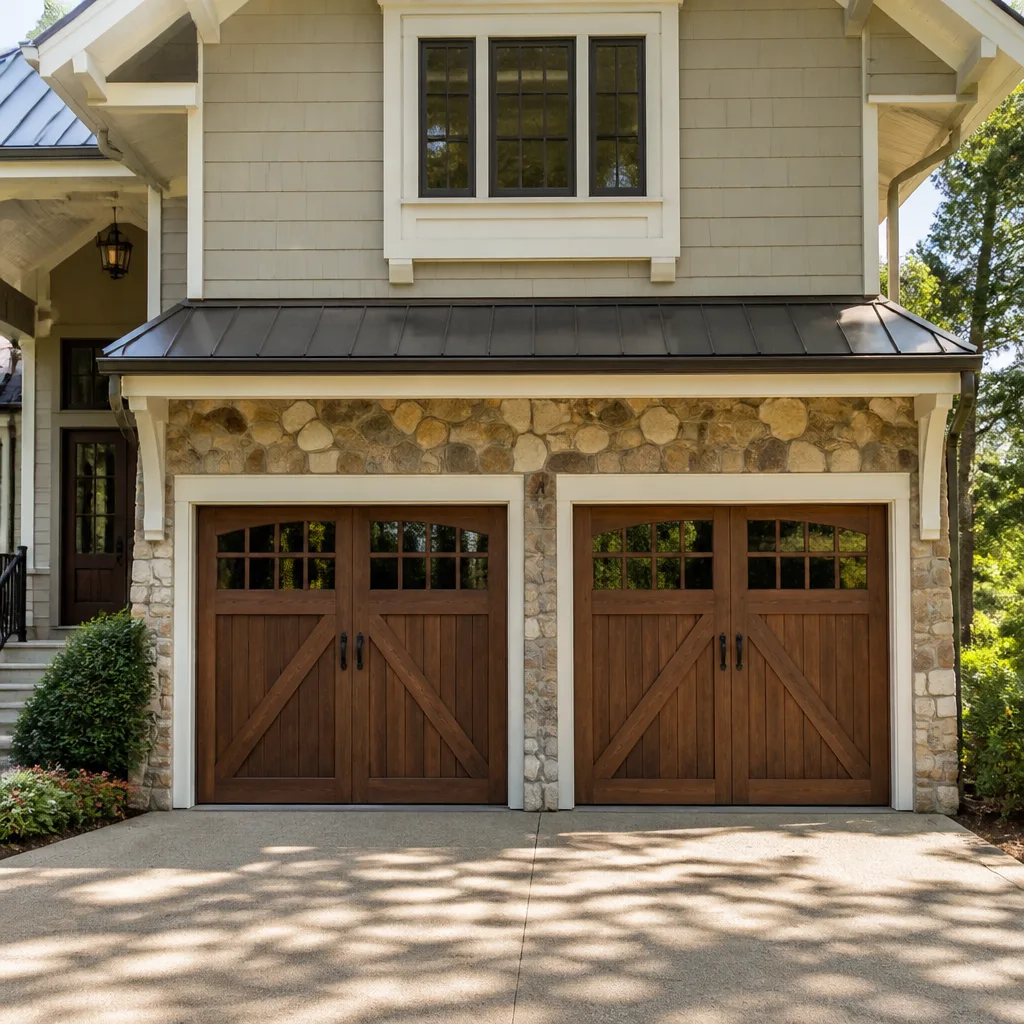 Carriage house
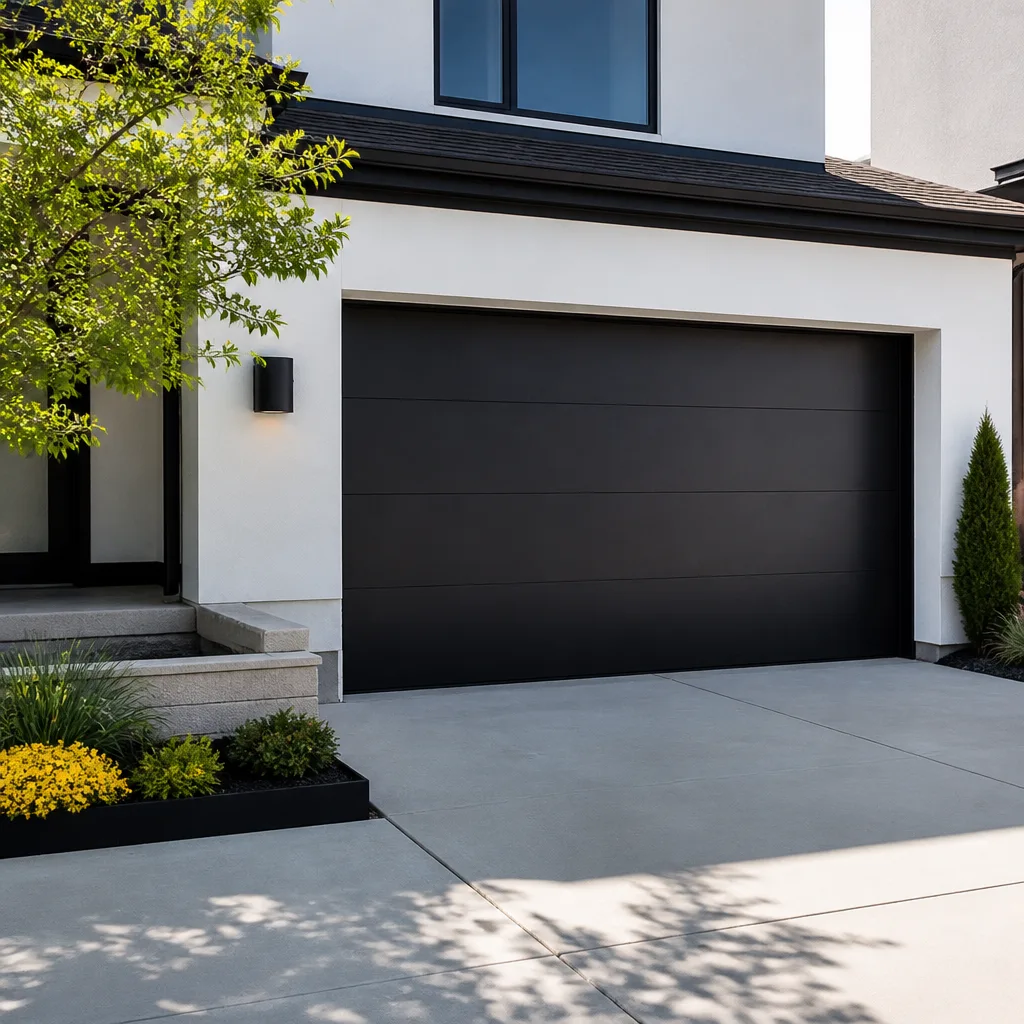 Modern flush
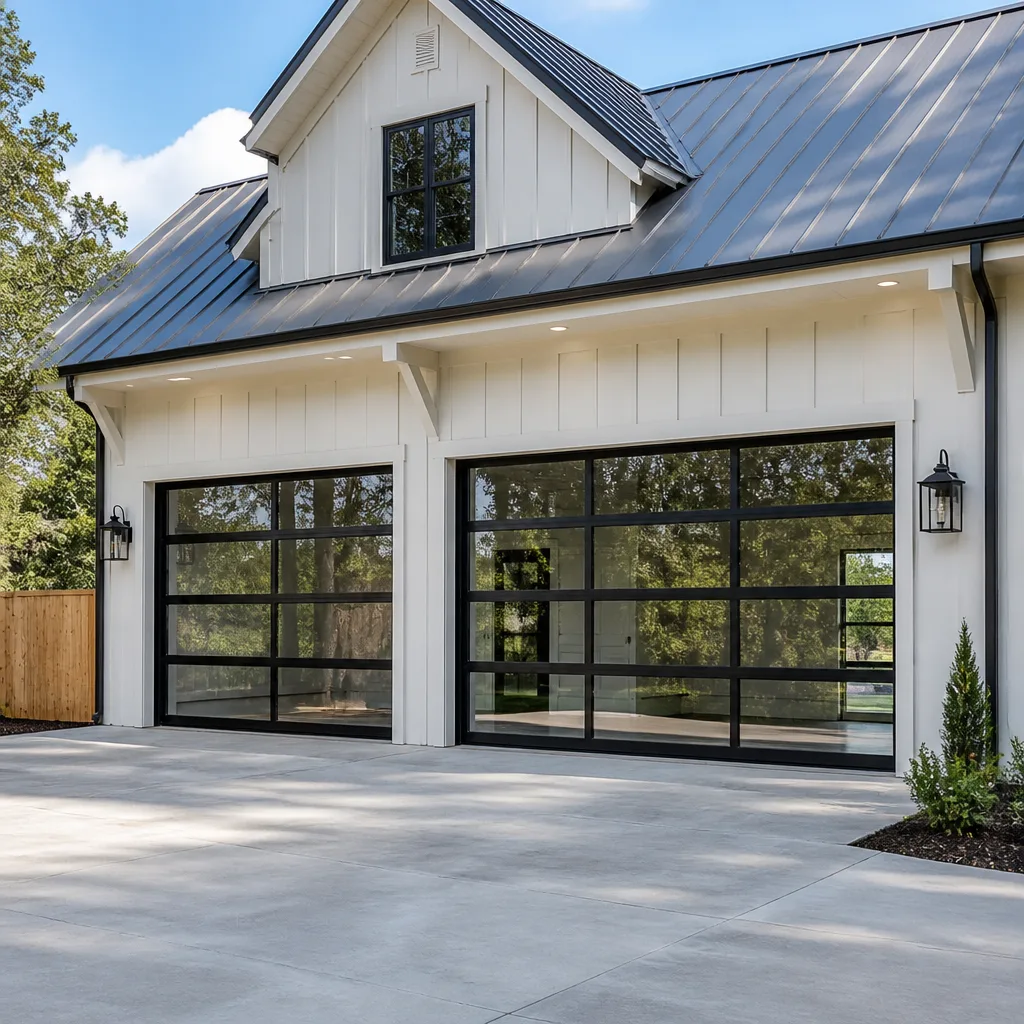 Full-view glass
 LiftMaster openers
 Chamberlain openers
Full 25-point door and opener safety check with every visit - springs, cables, rollers, tracks, and your LiftMaster or Chamberlain opener included
You get a price before we start. It does not change when the pro arrives.
Get your free estimateGarage Door Permits, Codes & Inspections in West Hartford, CT: What You Need to Know
Here’s the misconception we run into most often on door estimates: homeowners assume that swapping a garage door for a like-for-like replacement is a paperwork-free job. That assumption is wrong more often than most people expect. The trigger for a permit usually isn’t the door itself – it’s a size change, structural work at the header, or electrical work at the opener. Skip that step when one is required and the consequences outlast the installation: your policy may contain language that lets a carrier deny a claim tied to an unpermitted structure. That’s standard policy language, not a scare tactic. This guide walks through when West Hartford requires a permit, which code sections apply, how an inspection actually runs, and what to do if you’ve inherited a door nobody ever signed off on.
Quick Answer
A simple like-for-like garage door replacement in West Hartford generally does not require a permit, but three triggers do: changing the door’s size or opening dimensions, altering the structural header, or adding or relocating opener wiring and electrical circuits. When a permit is required, expect plan review through the town’s building department, an electrical sign-off where relevant, and a final inspection. Confirm the current threshold with the West Hartford building department before ordering a door, because the answer depends on your specific scope.
Styles & brands we work with
- Raised-panel steel
- Carriage house
- Modern flush
- Full-view glass
- LiftMaster openers
- Chamberlain openers
Table of Contents
- Does replacing a garage door in West Hartford require a permit?
- The three permit triggers most homeowners miss
- Connecticut building code sections that apply to garage doors
- How the West Hartford inspection process actually works
- HOA approval versus municipal permit: when you need both
- What to do if a previous owner skipped permits
- Choosing a contractor who handles the paperwork correctly
- Common mistakes to avoid
Does replacing a garage door in West Hartford require a permit?
Sometimes yes, sometimes no – and the deciding factor isn’t the door, it’s what you’re doing to the opening and the systems around it. A straight replacement that puts the same size door back into the same size opening, with no framing or header changes and no new electrical work, is generally treated as ordinary maintenance. That’s the scenario most homeowners picture when they think about a new door.
The picture changes the moment the scope grows. If a new door needs a steel beam added at the header, a wider rough opening, or a new electrical circuit for a modern opener, the job has moved into construction territory. And construction territory in West Hartford means the town’s building department gets involved. We’ve watched homeowners order a door, schedule installation, and only then discover the opening needed to change – which put the whole project on hold while the permit ran its course.
The safe habit is simple. Before you sign a contract for installation, call the West Hartford building department and describe exactly what’s happening to the door, the framing, and the electrical. Ask a direct question: “Does this scope require a permit?” Get a name and note the date. That two-minute call protects you from the most expensive permit problem there is – finding out after the fact.
One more thing worth knowing: the permit requirement can also hinge on the property itself. An attached garage that shares a wall with living space sits inside the building envelope and gets scrutinized more closely than a detached one. In West Hartford’s older neighborhoods, where attached garages are common and home additions sometimes squeezed them into odd configurations, that distinction matters more than it does in newer construction.
The three permit triggers most homeowners miss
Most people assume the trigger is “new door equals new permit.” It isn’t. The three real triggers are more specific, and each one catches a different kind of project.
- Size changes. Moving to a wider or taller door means the opening has to change. That’s framing work, and framing work means the building department wants to see plans and inspect the result. Even a small increase – an inch in height to fit a taller model – counts.
- Structural header work. The header is the beam over the opening that carries the load above it. Replace it, reinforce it, or cut into it and you’ve touched structural elements. No inspector will approve a door installation that hides structural work behind finished material without having reviewed it.
- Opener electrical. A new opener that reuses an existing outlet is usually fine. A new circuit, a relocated outlet, or wiring run through finished walls is electrical work. Electrical work requires a licensed electrician and, in West Hartford, an electrical permit with its own inspection.
The electrical trigger is where we see the most confusion. Homeowners often buy a smart opener and assume the install is plug-and-play because that’s how the product is marketed. In practice, an older home’s garage wiring can be undersized or simply absent in the location where the new opener’s head unit needs to mount. That’s when a straightforward opener swap turns into an electrician’s job with a permit attached.
If you’re sorting out whether your project is a simple fix or a bigger deal, our garage door opener repair service covers the electrical side of the conversation with you before work begins. And if your door’s issue is a broken spring rather than an installation question, that’s a repair, not a permitting matter – our garage door spring repair team handles it as a standalone job.
Connecticut building code sections that apply to garage doors
Connecticut works under the State Building Code, and West Hartford enforces it through its own building department. The code sections that matter for a garage door project cluster around three themes: fire separation, wind and structural load, and safety features.
Fire separation is the one homeowners underestimate. When a garage is attached to a home, code requires a fire-rated separation between the garage and the living space – typically the wall and ceiling assemblies along the shared boundary, and, importantly, the door between the garage and the house. A garage door itself isn’t a fire-rated assembly in most residential configurations, but the surrounding wall and header are. If your installation disturbs that separation, an inspector will want it restored to spec.
Wind and structural load requirements apply to the door’s rated performance and the framing that supports it. This is where the header and jamb details matter. Most residential doors sold in Connecticut carry a wind rating; the installation has to match the rating the door was labeled for.
Safety features are largely enforced through the product’s own requirements rather than the building permit – automatic reverse functions and photo-eye sensors on openers are built into UL listing standards for the equipment. But an inspection can surface a non-functioning safety sensor, and a missing or disabled sensor is one of the first things a sharp inspector flags.
We work in Raynor and LiftMaster systems regularly, along with Chamberlain and Genie, and each brand handles its own safety and structural compliance slightly differently. What matters for permitting is the door’s labeled rating and the framing it sits in, not the badge on the front. Our team’s familiarity with those brands means we can tell you quickly whether a replacement is truly a like-for-like swap or whether it crosses into the code-triggered territory described above.
How the West Hartford inspection process actually works
The timeline in West Hartford runs through three phases: permit application, work with rough inspections as required, and final inspection. In practice, here’s how the typical sequence looks on a garage door project that does require a permit.
- Plan review and application. The contractor submits the scope, plans where needed, and the permit fee. The building department reviews for code compliance. Simple replacements move faster; structural changes take longer because the plans get looked at more carefully.
- Rough inspection. If the project involves framing or electrical work, the inspector looks at the work before it’s closed up. This is where an undersized header or a questionable electrical run gets caught.
- Final inspection. The door is installed, the opener is functioning, and the inspector verifies the finished product against the approved scope. If everything matches, the permit is signed off and the job is closed out.
What does an inspector actually look at? In our experience, the checklist includes the door’s rated label, the framing and header as built, the fire separation details on an attached garage, the opener’s safety reverse function and photo-eye operation, and whether the finished work matches what was approved. It sounds broad, but the inspection itself is usually quick for a straightforward job.
The items that fail most often are predictable. Undersized or modified headers. A door installed without its rating label visible or attached. Safety sensors that don’t trigger a reverse. Missing permit for electrical work added as an afterthought. Each one is fixable, but each one delays the sign-off, and a delayed sign-off is exactly the scenario you want to avoid at the closing table.
HOA approval versus municipal permit: when you need both
A West Hartford homeowner can easily need two separate approvals for the same door, and the two processes don’t talk to each other. The town building department cares about code and safety. An HOA cares about architectural consistency, color, style, and sometimes the exact panel pattern visible from the street.
They can and should run in parallel. The mistake is assuming one implies the other. A permit approval doesn’t satisfy an HOA, and an HOA approval certainly doesn’t satisfy the town. If your community has architectural guidelines, the practical sequence looks like this:
- Request HOA architectural approval first, because the HOA review often constrains the project before you spend money on a specific door model.
- Submit the building permit with the door model and scope already locked by that approval.
- Keep both approvals in one file alongside your installation paperwork.
- If the HOA approves a style the building department flags for a code reason, resolve it before work starts, not after.
West Hartford has a mix of older neighborhoods where deed restrictions and neighborhood associations still carry weight alongside newer developments with formal HOA architectural review. If you’re unsure whether your property has one, a title search or a call to your HOA management contact settles it in minutes. It’s a lot cheaper than having an inspector approve a door your association then asks you to change.
What to do if a previous owner skipped permits
This is the scenario that shows up during sales and renovations. You’re listing the house, the buyer’s inspector spots a garage door installation with no record of a permit, and suddenly the closing has a question attached. Or you’re renovating and a contractor notices framing work that doesn’t look like it was ever inspected.
The good news is that this is a solvable problem, and the path forward is well-worn. Most towns, including West Hartford, have a process for permitting and inspecting existing work – often called a post-installation or after-the-fact inspection. Here’s the practical sequence.
- Establish what exists. Pull the permit history for the property from the building department. This tells you whether the door, framing, or electrical was ever signed off.
- Document the current installation. A contractor can assess the as-built condition – is the framing sound, is the door label present, do the safety sensors work?
- Apply for a permit covering the existing work. The building department will tell you what documentation they need and what inspections apply.
- Complete any corrections the inspection requires. Most fixes are minor – a missing label, a sensor adjustment, a small framing correction. Occasionally it’s more.
- Get the final sign-off in writing. Keep that documentation with your property records; it’s the answer to the next buyer’s inspector.
We’ve walked West Hartford homeowners through this at various stages – sometimes before a sale, sometimes during a renovation, sometimes after a buyer’s inspector flagged the door. Our garage door repair team can document what’s actually installed so the building department process goes smoother.
Choosing a contractor who handles the paperwork correctly
The best way to avoid permit problems is to hire the right contractor before the first screw goes in. Most permit headaches are caused by a handoff between parties who didn’t talk to each other: homeowner, installer, electrician, inspector. A shop that coordinates those conversations up front makes the whole process quiet.
What to ask, specifically:
- Who pulls the permit – you or me? Get a straight answer, then get it in the estimate.
- If electrical work is needed, is there a licensed electrician on the project, and who schedules that inspection?
- What’s the door’s rated label, and will it be visible at final inspection?
- Are the installers familiar with the brand being installed – LiftMaster, Chamberlain, Genie, Raynor, and so on – or will this be their first time with that system?
- What documentation do I receive at the end of the job, and is the final inspection sign-off included?
Our own answer to the last question is simple: you get the completed job, the door’s documentation, and a clean handoff with any permit sign-offs attached. Our technicians have up to 15 years of experience, and they’ve seen how a small permitting miss in a West Hartford installation turns into a huge headache at resale. We work on the brand already in your garage, so installation and permit accuracy are the same conversation, not two different ones with strangers.
And on installation and replacement specifically, we don’t promise same-day service – that work is measured, ordered, and scheduled. What we do promise is a free measure and a written price. The written quote is the price. It’s agreed before any work begins. That matters for permits too, because the quoted scope is what gets submitted for review. For the full picture of our capabilities, from repair through new installation, see West Hartford Garage Door Repair Pros.
Common Mistakes to Avoid
- Assuming a like-for-like swap is always permit-free. It often is, but the deciding factor is what’s happening to the opening and electrical, not the door itself. Call the building department with your scope before you order.
- Ordering the door before checking the permit threshold. If the site measure reveals a size change or header work, the door you ordered may not match what the permit allows. Check first, order second.
- Skipping the electrical conversation. Reusing an outlet is one thing; running a new circuit is another. Most opener headaches start here. Ask before you buy the opener.
- Treating HOA and municipal approval as one thing. They run on different timelines and different criteria. Start the HOA review first if your community has architectural guidelines.
- Signing off on a final inspection you didn’t attend. Walk the finished job with your contractor. Confirm the safety reverse works, the sensors trigger, and the door’s label is visible.
- Ignoring the previous owner’s unpermitted work. It resurfaces at closing. Get it documented and permitted on your schedule rather than during a buyer’s inspection window.
- Not keeping the paperwork. A signed-off permit is a resale asset. Keep the documentation with your property files; it answers the next buyer’s questions before they’re asked.
See the difference
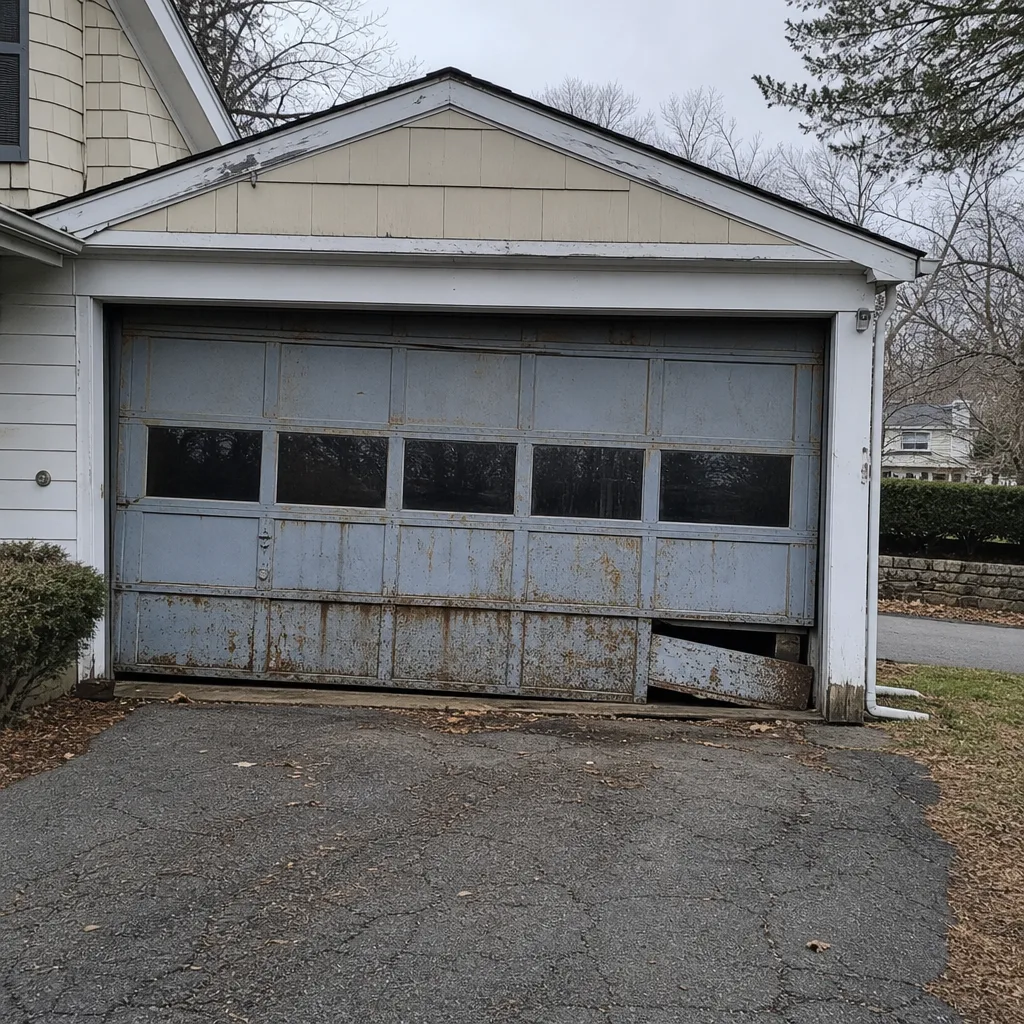 Before
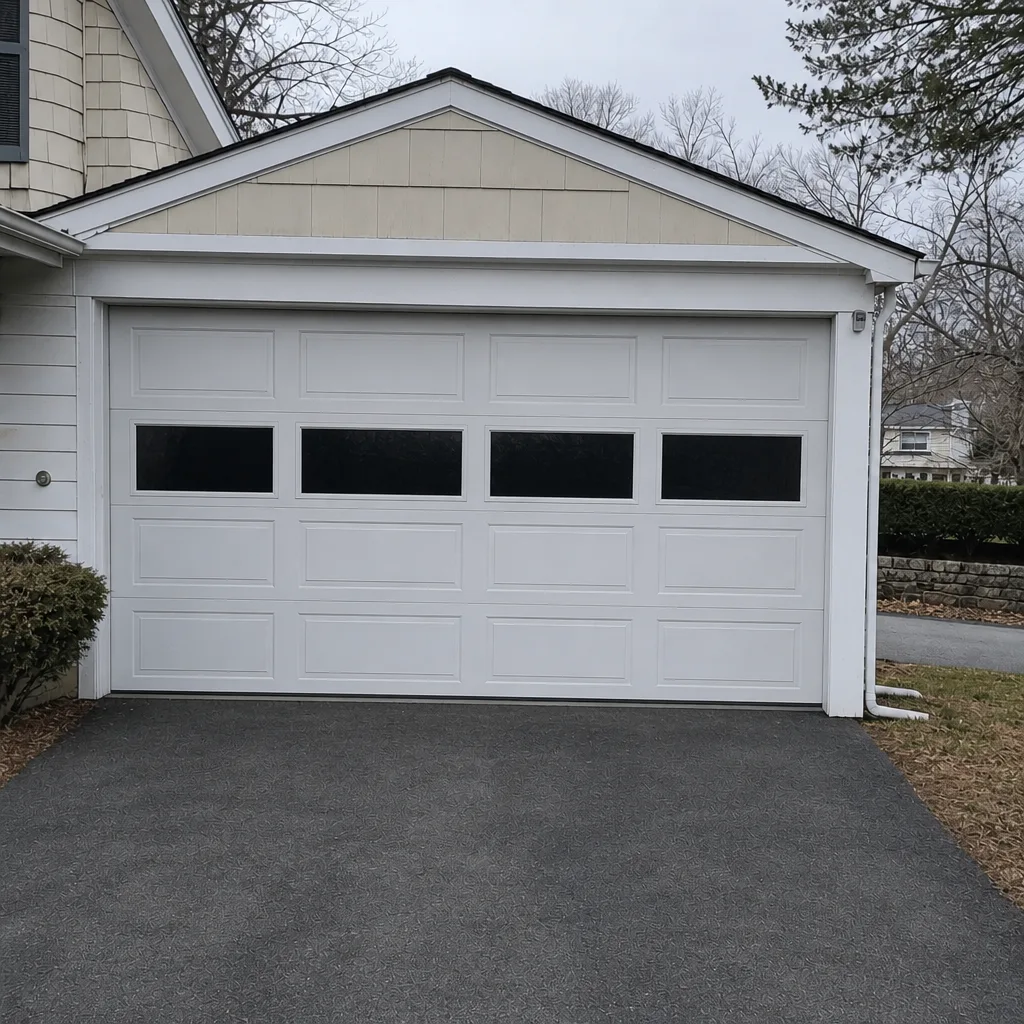 After
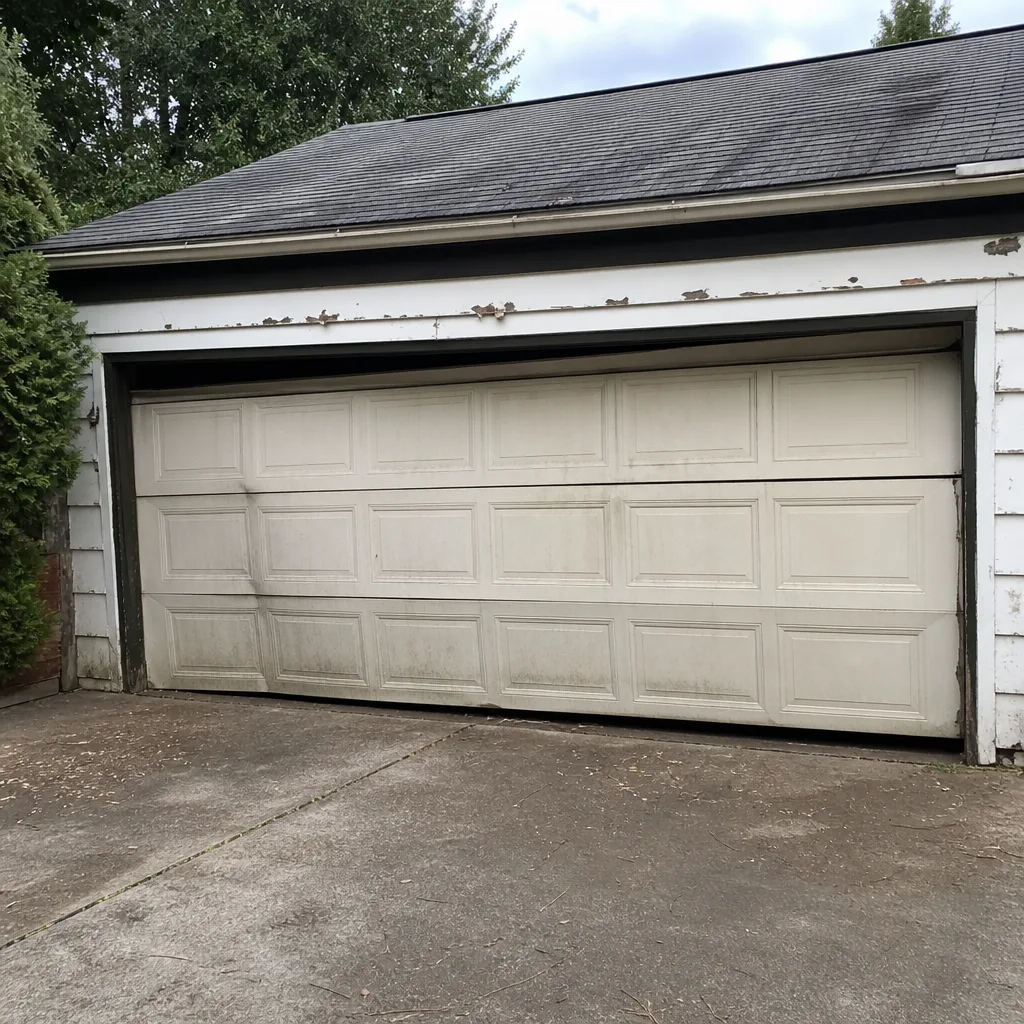 Before
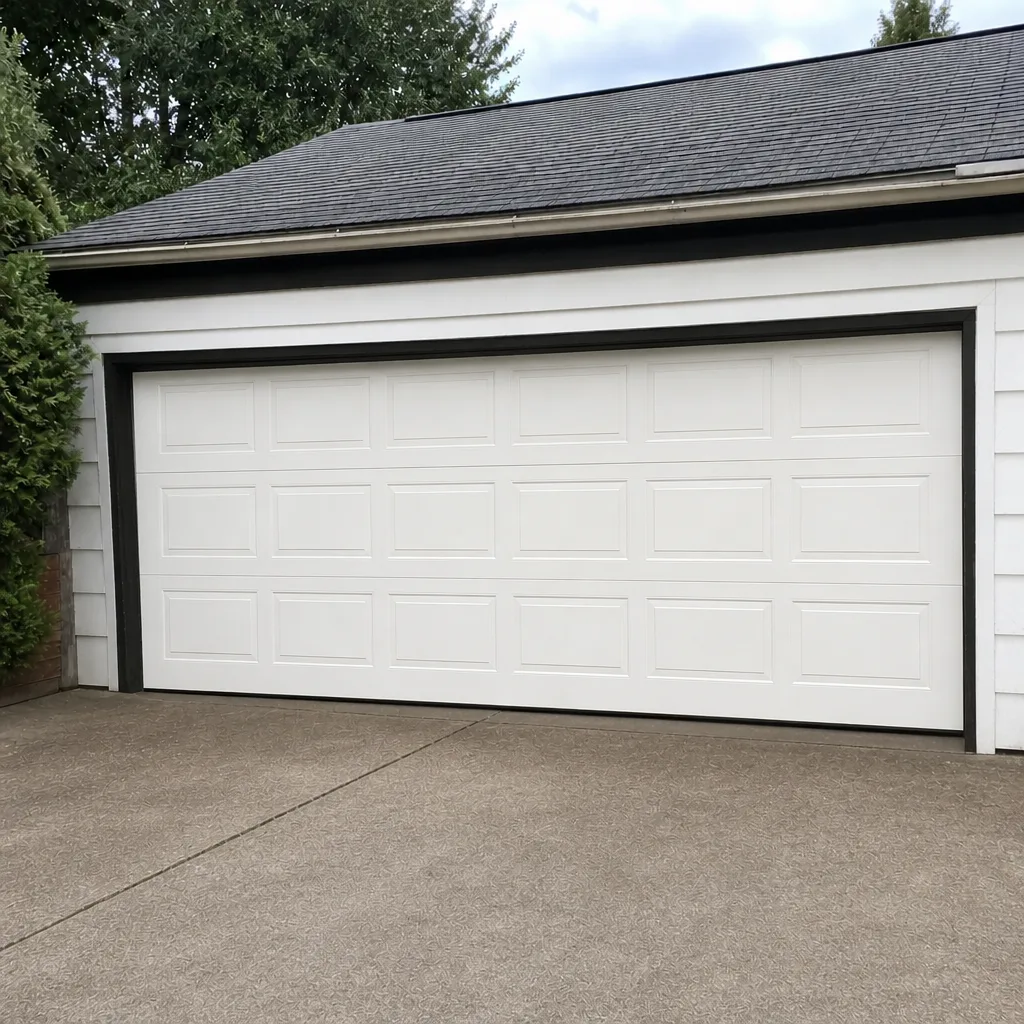 After
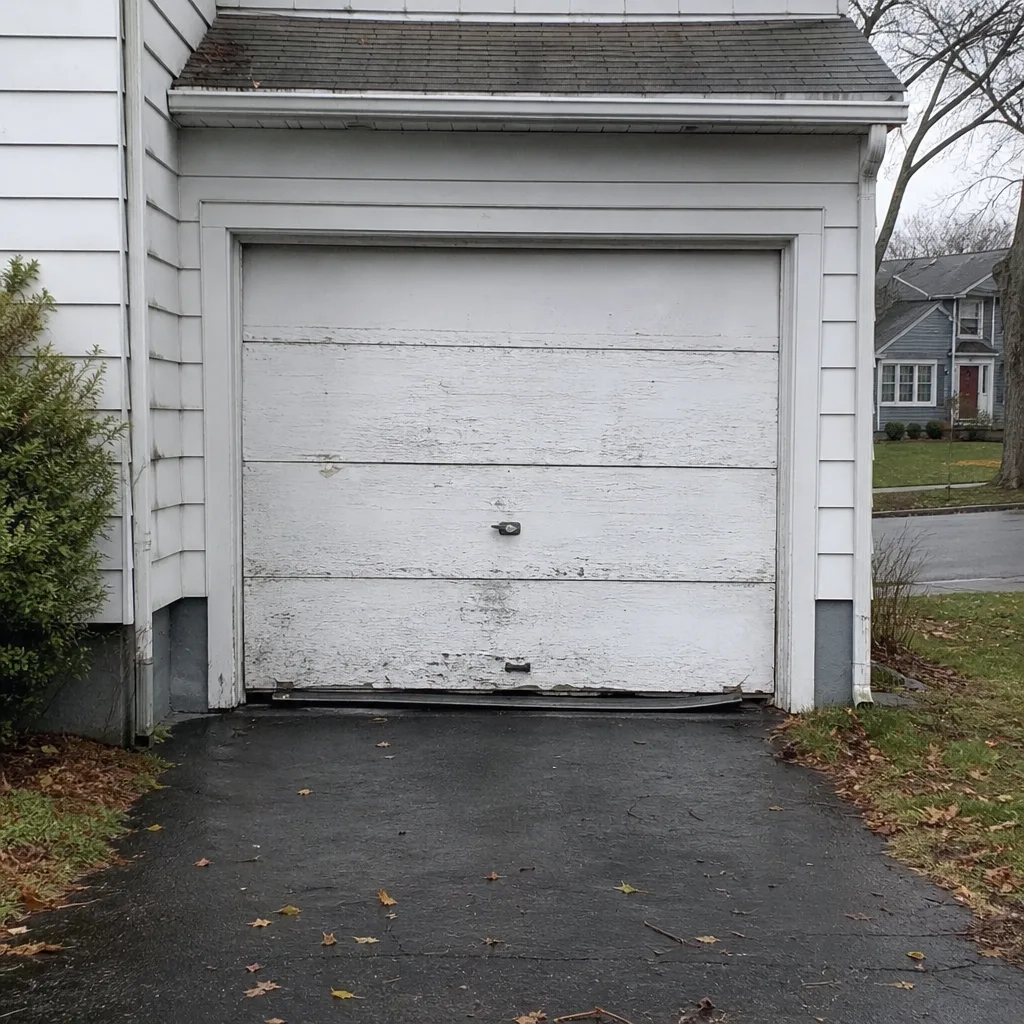 Before
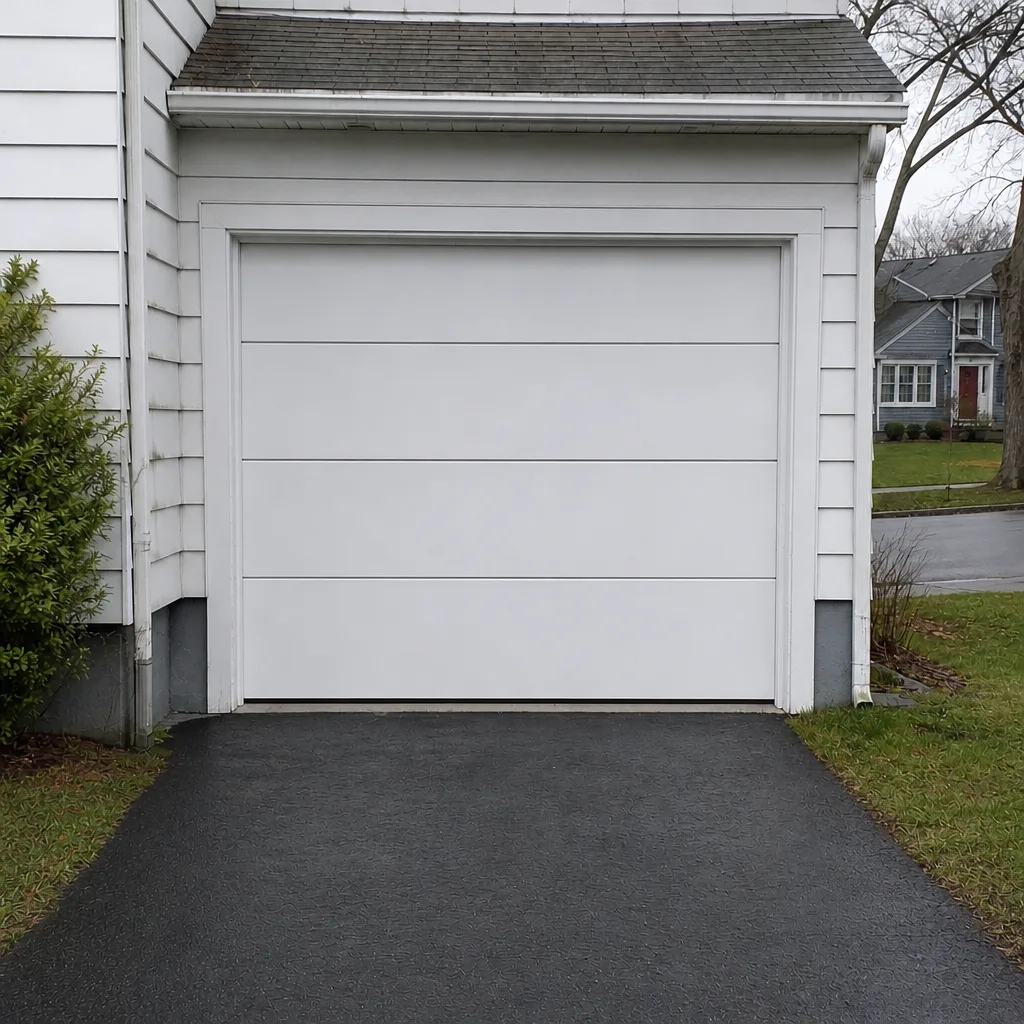 After
When to Call a Professional
Some things are worth a phone call. A broken spring is one of them – spring failure is a safety issue, not just an inconvenience, and the torsion system is under enormous tension even in a door that looks calm. Opener problems that trip a breaker or involve wiring are another. And if you’re about to install a new door and you’re unsure whether the job needs a permit, the answer costs you nothing but a call. Our team handles spring repair, opener diagnostics, and full installation across the eight brands we service, so we can tell you quickly whether your project is a simple swap or something that needs the town’s sign-off. West Hartford Garage Door Repair Pros offers free estimates in West Hartford – call (855) 337-1712.
Frequently Asked Questions
Usually not for a like-for-like replacement, but it does when the job changes the door’s size or opening, alters the structural header, or adds new opener wiring or an electrical circuit. Confirm your specific scope with the West Hartford building department before ordering. Call (855) 337-1712 for a free estimate – we can help you scope the job correctly.
Timelines vary by scope, and the town’s building department is the authoritative source for current processing times. Simple replacements move faster than projects with framing or electrical work, which go through plan review and rough inspection before the final sign-off. Call (855) 337-1712 and we’ll walk you through what your specific project will likely involve.
The door’s rated label, the framing and header as built, the fire separation details on an attached garage, and the opener’s safety features – the reverse function and the photo-eye sensors. Approval is based on the finished work matching the permitted scope. Our garage door repair team can assess your current setup before you schedule an inspection. Call (855) 337-1712.
Only when electrical work is involved – adding a new circuit, relocating an outlet, or running wiring through walls. Reusing an existing outlet for a same-location replacement rarely triggers a permit. If you’re unsure, ask before you buy the opener. Free phone estimates at (855) 337-1712.
Sometimes yes. They’re separate processes run by separate entities: the HOA reviews appearance and style, and the town reviews code and safety. When both apply, run them in parallel and keep the documentation together. Our team coordinates the installation side of both processes – call (855) 337-1712 for a free estimate.
It’s fixable. Pull the permit history, document the current condition, and apply for a permit covering the existing work – most towns, including West Hartford, have a process for this. Do it on your own schedule rather than during a sale. Call (855) 337-1712 and we can help you assess what’s actually installed.
No. We quote the job in writing and agree on it before any work starts. The written estimate sets the final price for the agreed scope. If we discover a permit-related issue that affects the scope, we’ll discuss it with you before doing anything that changes the estimate. Call (855) 337-1712 – estimates are free.
The Bottom Line
A garage door permit in West Hartford isn’t about the door on the front of your house – it’s about the opening, the framing, and the electrical behind the scenes. Like-for-like replacements usually sail through without a permit. The moment the job touches size, structure, or wiring, though, the building department wants to see it. Add HOA approval on top when your community has architectural guidelines, and keep the paperwork in one place. Getting this right costs a phone call upfront and pays back at every inspection, resale, and insurance conversation that comes afterward. If a door has failed and you can’t wait, call us for emergency service; if you’re planning a new door, we’ll tell you whether repair or replace makes sense and handle the paperwork conversation along with the measure.
Get in touch with West Hartford Garage Door Repair Pros at (855) 337-1712 for a free estimate. We work on the brand already in your garage, we’ll tell you honestly whether your project is a simple swap or a permitted installation, and the written quote is the price – agreed before any work starts.
Written by the team at West Hartford Garage Door Repair Pros.