Last updated November 23, 2026
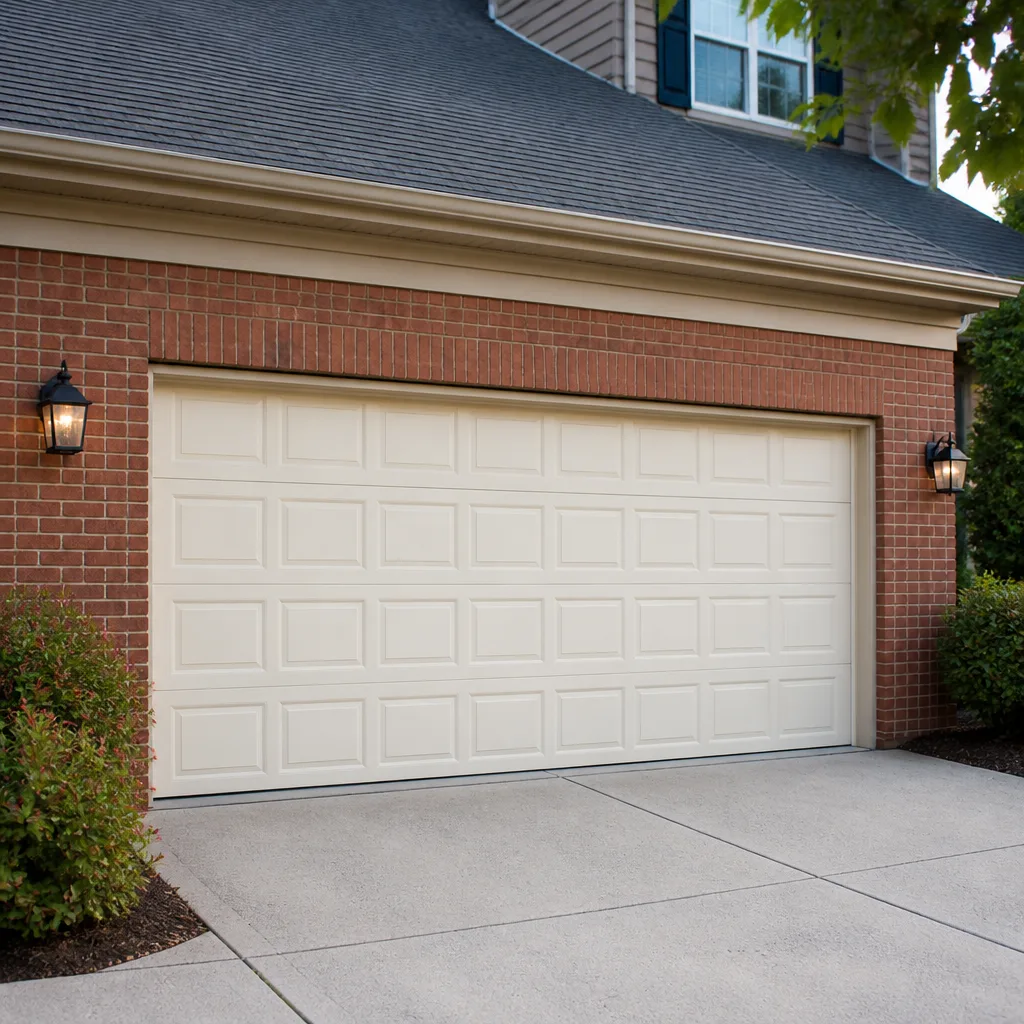 Raised-panel steel
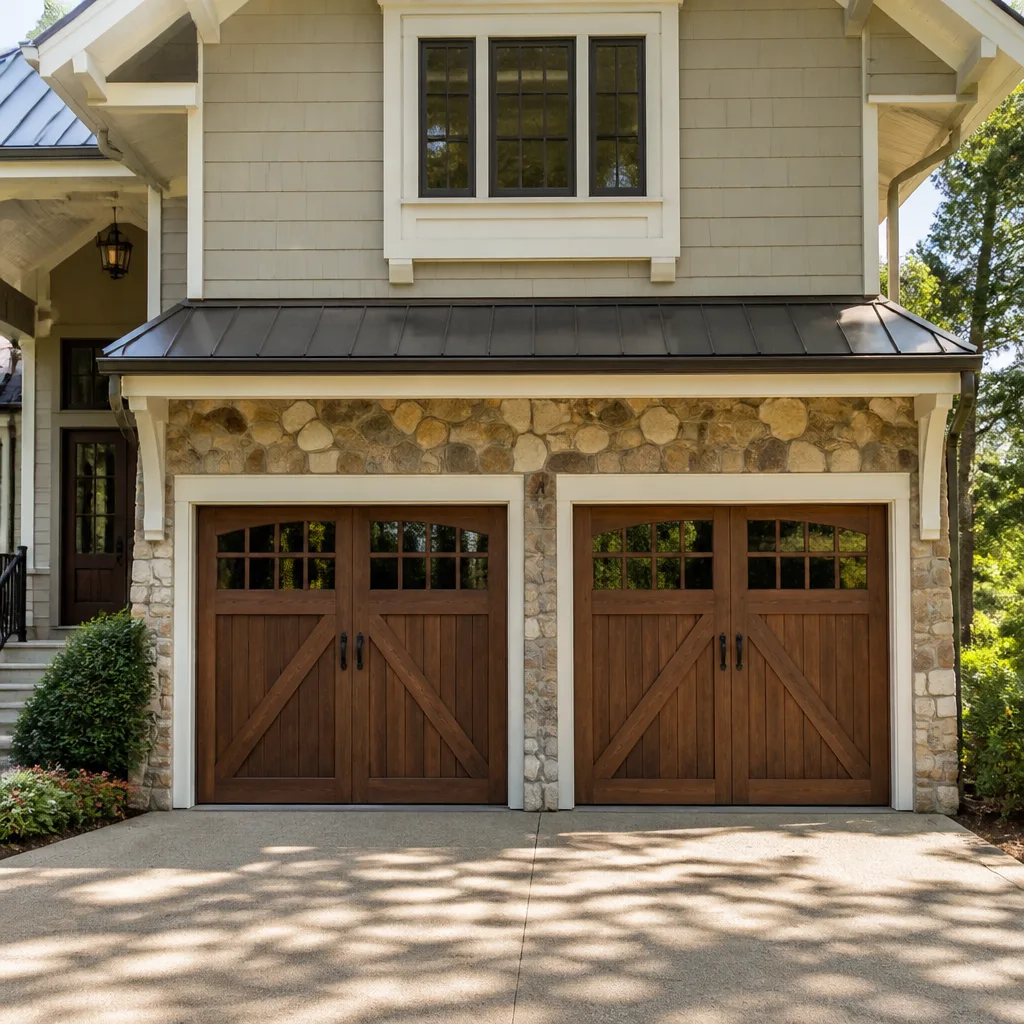 Carriage house
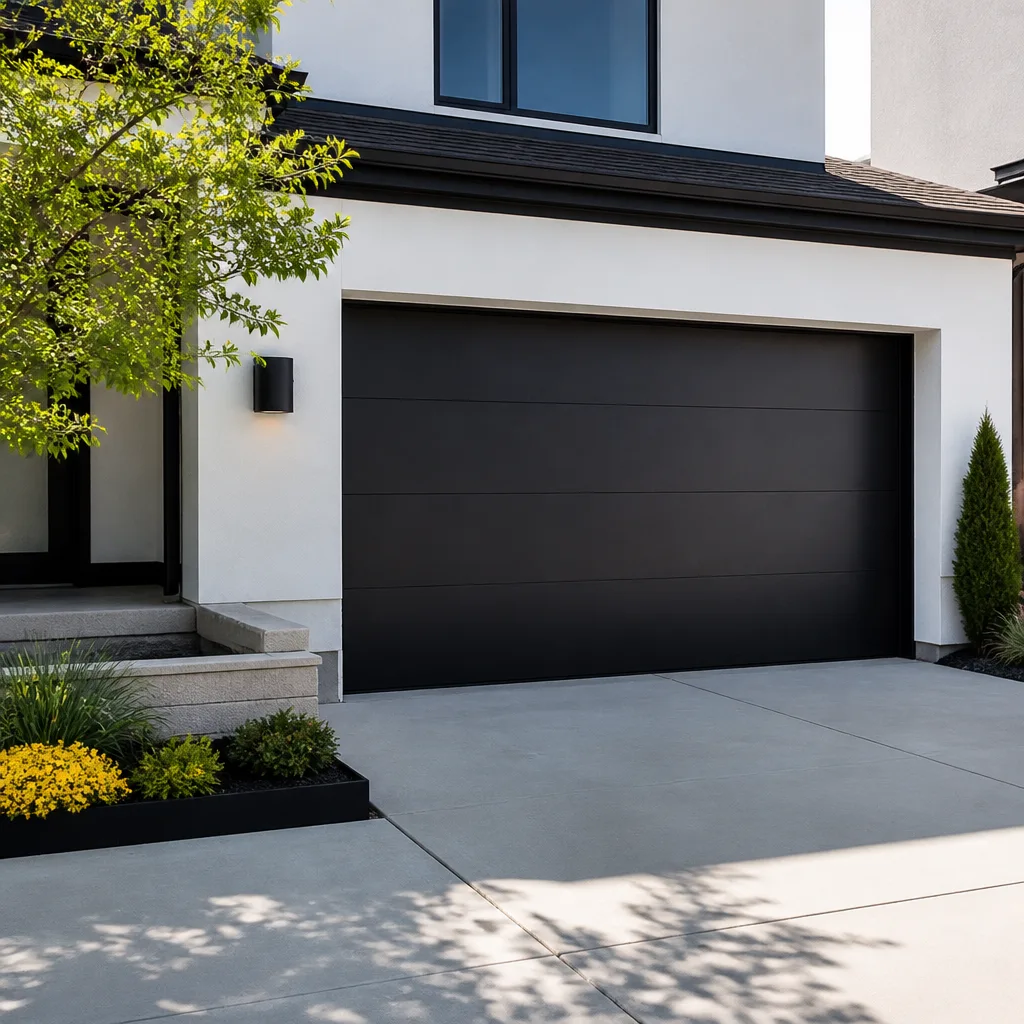 Modern flush
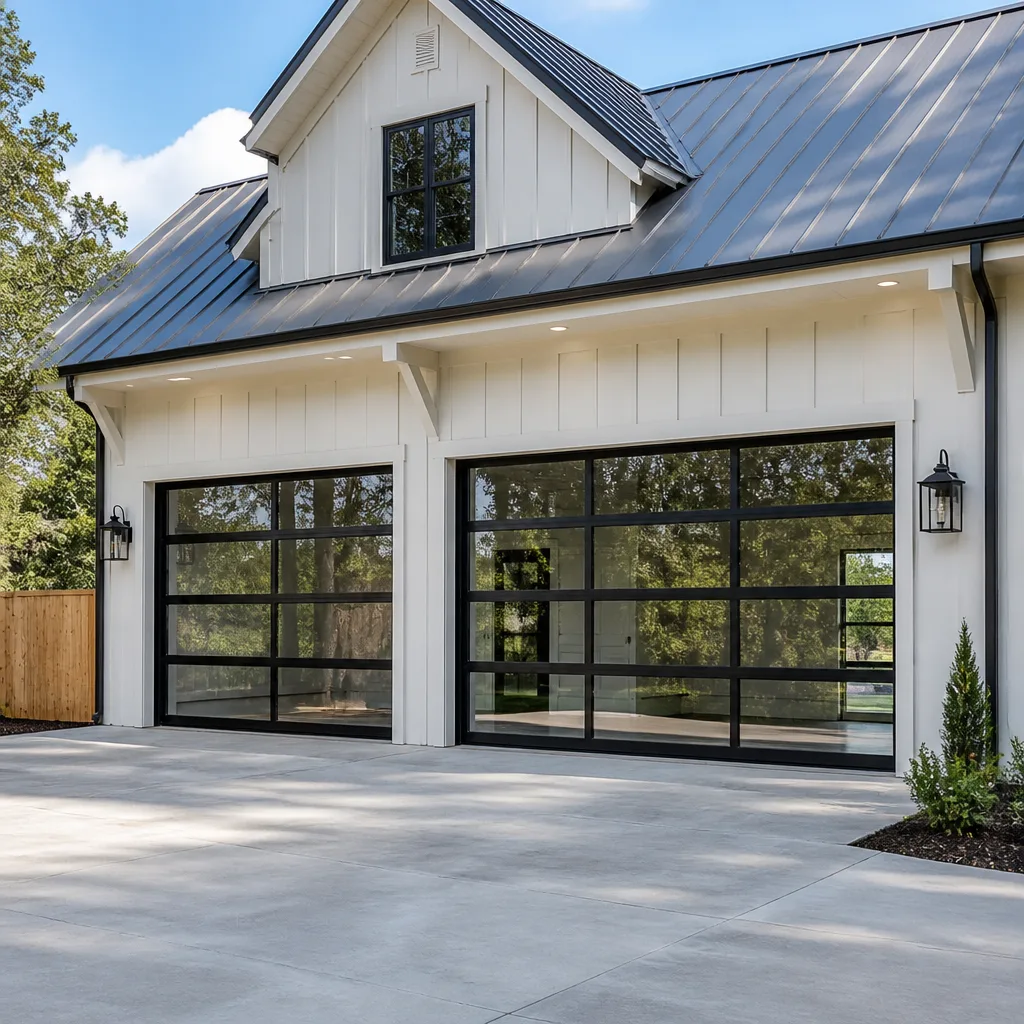 Full-view glass
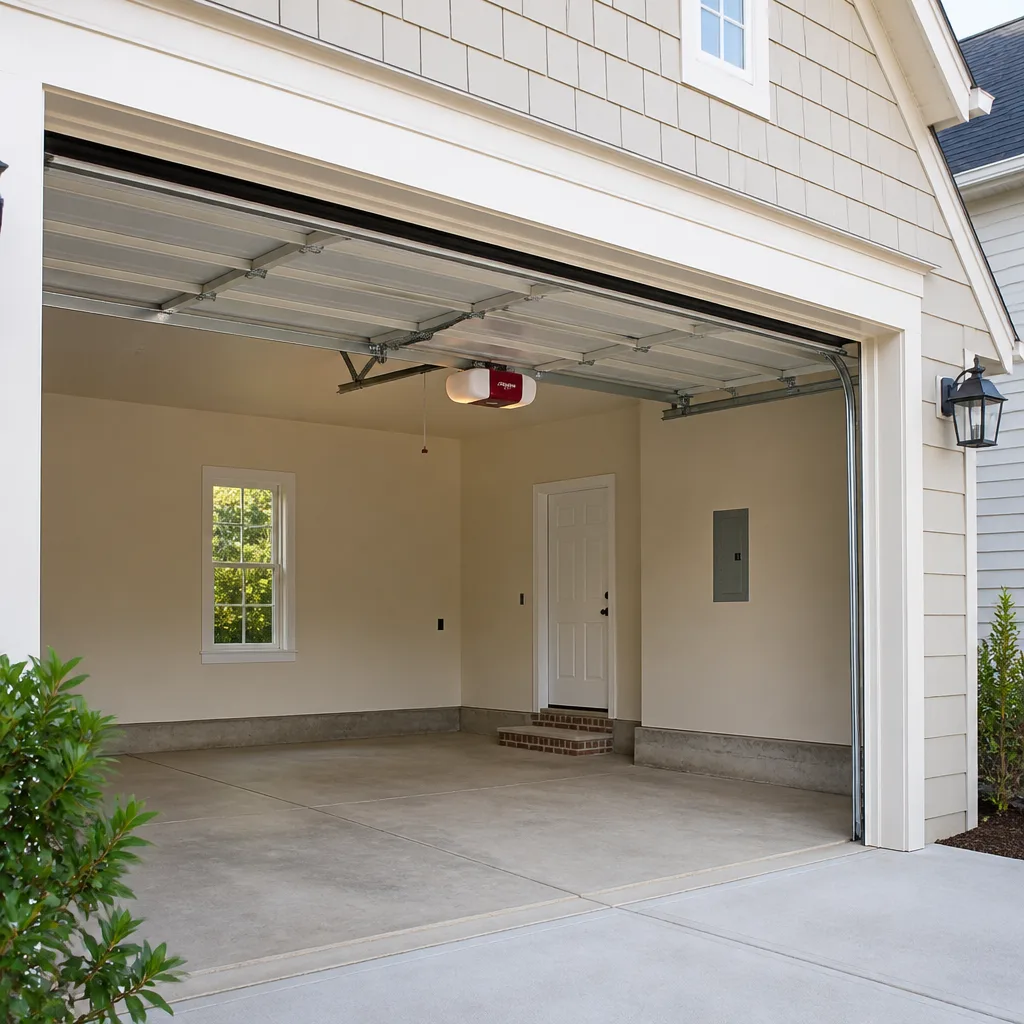 LiftMaster openers
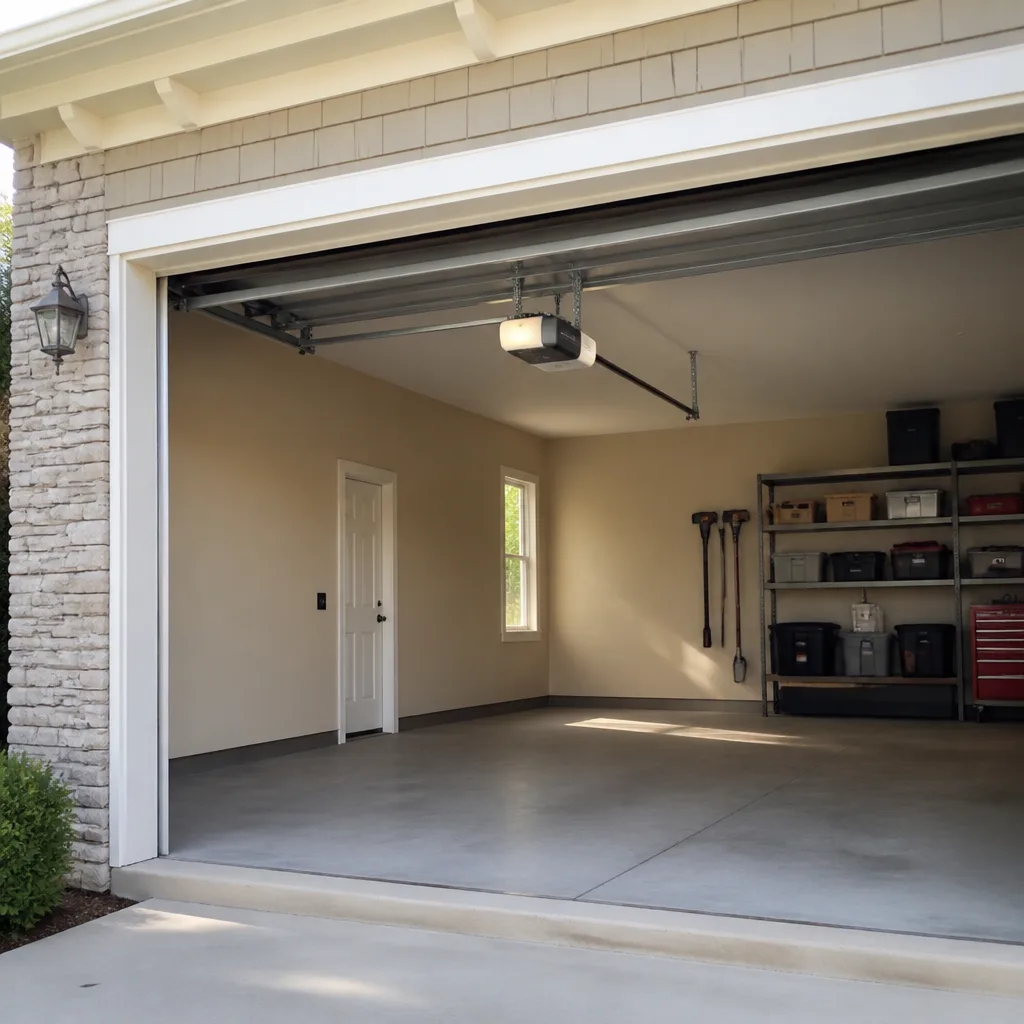 Chamberlain openers
Full 25-point door and opener safety check with every visit - springs, cables, rollers, tracks, and your LiftMaster or Chamberlain opener included
You get a price before we start. It does not change when the pro arrives.
Get your free estimateLet me structure it around the actual failure patterns you’ve identified, with month-by-month schedules, testing procedures, and clear go/no-go criteria.
Garage Door Repair Maintenance Checklist for West Hartford Homeowners
The call we field most often in West Hartford every March isn’t about a snapped spring. It’s about a bottom seal that froze to the driveway over a cold stretch and ripped the whole weatherstrip assembly loose the first time someone hit the opener button without looking. It’s a maintenance failure, not a mechanical one, and it’s almost entirely preventable. Your garage door is the largest moving object in your house, and in a climate that swings from sub-zero mornings to humid July afternoons, it takes more abuse than most homeowners realize. This guide walks you through a real maintenance schedule built around Connecticut’s seasons, the testing methods that actually catch problems early, and the specific thresholds that tell you when a part needs replacing versus when it just needs watching. We’ll show you what to check, when to check it in West Hartford’s climate, and how to track your door’s behavior over time so you spot decline before it strands you.
Quick Answer
A garage door maintenance checklist for West Hartford should include monthly visual inspections of springs, cables, and rollers; seasonal lubrication adjusted for temperatures that range from -5°F to 95°F; a balance test every six months; and a written log of how the door sounds, moves, and responds to the opener. The most critical checks happen in late fall before the first freeze and again in early spring after the thaw, because that’s when thermal cycling does the most damage to seals, hardware, and opener components in Connecticut’s climate.
Styles & brands we work with
- Raised-panel steel
- Carriage house
- Modern flush
- Full-view glass
- LiftMaster openers
- Chamberlain openers
Table of Contents
- Why Generic Maintenance Advice Fails West Hartford Homeowners
- The West Hartford Seasonal Maintenance Calendar
- How to Run the Balance Test (and What It Reveals)
- Lubrication Points and Products for Connecticut’s Temperature Swings
- Roller and Cable Inspection: Cosmetic Wear vs. Failure-Imminent
- Testing Spring Tension Safely and Documenting What You Find
- Building an Operation Log to Track Gradual Decline
- Brand-Specific Maintenance Notes
Why Generic Maintenance Advice Fails West Hartford Homeowners
Most garage door maintenance checklists floating around the internet were written for a climate that doesn’t exist here. They talk about “winter prep” in general terms, assume your door opens onto a flat concrete pad, and ignore the fact that half the housing stock in West Hartford ranges from post-war capes and ranches to 1920s colonials with carriage-style doors on openings that were never designed for modern sectional hardware. That mismatch matters. A 1968 colonial in the Elmwood neighborhood might have a converted carriage door on an oversized opening with original track geometry that behaves nothing like the tight-tolerance installation in a newer build off Albany Avenue.
In our experience, the failure patterns we see in West Hartford follow the seasons more than the calendar. The freeze-thaw cycle that runs from November through March puts stress on bottom seals, weatherstripping, and the metal hardware that holds them in place. The humidity that settles in from June through September works on rollers, hinges, and the pivot points that carry the door’s weight. And the temperature swings in between – a 40-degree drop overnight is normal here – stress opener components that were never designed to compensate for that kind of thermal movement.
What that means for you is that a national checklist telling you to “lubricate twice a year” misses the specific timing that actually protects a door in this climate. You need to lubricate differently depending on whether you’re heading into freeze season or humid season. You need to inspect seals when the ground is thawing, not in the middle of summer. And you need to know which parts of your specific door and opener system are most vulnerable to the conditions West Hartford actually delivers.
What Makes West Hartford’s Housing Stock Different
Neighborhoods like Bishops Corner, West Hartford Center, and the streets around Elizabeth Park have a high concentration of homes built between 1920 and 1970. Many of those garages were designed for cars that were smaller, and the doors were either single-panel wood or early sectional designs. When those doors have been replaced over the years, the new hardware sometimes doesn’t align perfectly with the original opening, the track, or the header above. That mismatch creates chronic wear points that a generic checklist won’t catch. If your door was installed on an opening that wasn’t originally sized for it, you need to watch the track alignment and the roller wear more closely than the manufacturer’s manual suggests.
The West Hartford Seasonal Maintenance Calendar
The right time to check each part of your door depends on what the weather is about to do to it. Here’s the month-by-month schedule we recommend for West Hartford homeowners, based on when specific failures are most likely to surface.
Late October to Early November: Pre-Freeze Inspection
Before the first hard freeze, walk the entire door system and address anything that could get worse when temperatures drop.
- Bottom seal: Check for cracks, tears, or sections that have pulled away from the retainer. A compromised seal will freeze to the driveway and tear the assembly when the door opens.
- Weatherstripping around the frame: Look for gaps or flattened sections. Cold air infiltration stresses the opener as it works harder to lift a door that’s fighting a draft.
- Hinges and pivot points: Apply a cold-weather-appropriate lubricant (more on that below) before the first freeze. Lubricant applied in warm weather has often thinned or migrated by November.
- Opener force settings: Test the auto-reverse function. Cold makes the door heavier, and an opener set at the edge of its force limit may fail to reverse properly when the door stiffens.
- Track alignment: Look for gaps between the rollers and the track. Thermal contraction can pull a loose track further out of alignment.
December through February: Monthly Visual Checks
You don’t need to do a full maintenance session in the middle of winter, but you should look at the door monthly. Watch for frost buildup on the bottom seal, ice forming in the track, and any change in how the door sounds when it opens and closes. If the door starts moving slower or the opener sounds strained, that’s a sign to call for garage door repair before something fails completely.
March to Early April: Post-Thaw Assessment
This is the most important inspection of the year. The freeze-thaw cycle has been working on your door for four months, and the damage often doesn’t show until the thaw.
- Inspect the bottom seal for tears, stiffness, or sections that have separated from the door. This is the single most common failure point in West Hartford after winter.
- Check the weatherstripping around the frame for compression or cracking. Replace any section that no longer makes contact with the door.
- Test the balance of the door (instructions below). If the springs have lost tension over the winter, the balance test will reveal it.
- Look at the cables for fraying, kinks, or rust. Cold weather and moisture accelerate cable wear.
- Run the door through a full open-close cycle and listen for new sounds – grinding, squealing, or rattling that wasn’t there in the fall.
May through June: Pre-Humidity Lubrication
Before the humid season settles in, lubricate all moving parts with a product designed for higher temperatures. Humidity causes bare metal to corrode, and a proper lubricant barrier prevents that. Check hinges, rollers, and the opener’s rail or belt for any signs of wear.
July through September: Mid-Summer Check
Watch for signs of humidity-related issues: stiff rollers, squeaky hinges, or an opener that seems to labor more than it did in spring. If your door faces west and takes direct afternoon sun, check the panels for warping or heat damage, especially on older wood doors or early composite models.
October: Pre-Winter Prep (Repeat)
Repeat the late-October inspection from the top of this section. If you’ve followed the schedule all year, this pass is mostly a confirmation that nothing has degraded since spring.
How to Run the Balance Test (and What It Reveals)
The balance test is the single most useful diagnostic a homeowner can perform, and almost nobody does it. It tells you whether your springs are still carrying the door’s weight evenly, or whether the opener is doing work the springs should be doing. A door that’s out of balance puts stress on the opener motor, the cables, and the springs themselves, and it’s a leading indicator that a spring failure is coming.
How to Perform the Balance Test
- Disconnect the opener by pulling the emergency release handle. This disengages the door from the opener so you’re testing the door and springs alone.
- Lift the door by hand to about waist height, then let go.
- Watch what happens. A properly balanced door will stay in place or drift very slowly. A door that drops quickly or rises on its own is out of balance.
- Repeat the test at the halfway point and again near the fully open position. Springs can lose tension unevenly, and a door that’s balanced at the bottom may not be balanced at the top.
- Reconnect the opener when you’re done.
What the Results Mean
If the door drops fast when you let go at waist height, the springs have lost tension or one has failed. If it rises on its own, the springs are over-tensioned or the door is too light for the spring setup. Either way, the door needs professional adjustment. Springs are under extreme tension, and adjusting them without the right tools and training is genuinely dangerous – this is not a DIY job. If the balance test shows a problem, call for garage door spring repair rather than trying to compensate by adjusting the opener’s force settings.
Documenting the Balance Test
Write down the result each time you run the test – date, where you tested (waist height, halfway, near open), and what the door did. Over time, you’ll see a pattern. A door that was perfectly balanced in October and drops slowly by March is telling you the springs are aging, and you can plan a replacement before it fails and leaves you stuck. That kind of early warning is worth more than any single inspection.
Lubrication Points and Products for Connecticut’s Temperature Swings
West Hartford’s temperature range – roughly -5°F in the coldest snaps to 95°F in a hot July – creates a lubrication challenge that a single product can’t solve year-round. Lubricants that work well in summer can stiffen and stop protecting in winter. Products designed for cold weather can thin out and migrate in summer heat. The answer is to match the lubricant to the season, and to know which parts of your door need which type.
What to Lubricate (and What to Leave Alone)
- Hinges: Apply a lithium-based or silicone lubricant to the pivot points. These are exposed to the most movement and the most moisture.
- Rollers: Nylon rollers generally don’t need lubrication, but steel rollers benefit from a light application of silicone spray. Don’t over-lubricate – excess attracts dirt and grit that accelerates wear.
- Track: Do not lubricate the track itself. The track should stay clean and dry. Lubricant in the track collects debris and causes the rollers to slide instead of roll.
- Springs: A light coating of lubricant on the spring coils helps prevent rust, especially in humid months. Don’t saturate them – a thin film is enough.
- Opener rail or belt: Follow the manufacturer’s recommendation. Belt-drive openers usually need no lubrication. Chain-drive openers benefit from a light application of the lubricant specified for your opener model.
- Lock and handle (if your door has them): A graphite or silicone lubricant keeps the mechanism working smoothly through temperature swings.
Lubricant Types by Season
For late fall and winter, use a lubricant rated for low temperatures – silicone-based sprays and cold-weather lithium grease both work well. These stay fluid enough to protect at -5°F and don’t stiffen into a gummy residue. For late spring and summer, a standard lithium grease or a higher-temperature silicone works fine. Avoid WD-40 as a primary lubricant – it’s a solvent and water displacer, not a long-term protectant, and it will wash away the lubricant you actually need. If you use it to clean a part, follow with a proper lubricant afterward.
Application Frequency
Twice a year is the minimum for West Hartford’s climate – once in late fall and once in late spring. If your door gets heavy use (multiple open-close cycles per day), lubricate quarterly. If you notice a hinge starting to squeak between scheduled applications, that’s a sign you need to lubricate more often, not a sign that something is broken.
Roller and Cable Inspection: Cosmetic Wear vs. Failure-Imminent
Rollers and cables are the parts that fail most often after springs, and the difference between “needs watching” and “needs replacing now” is not always obvious. Here’s how to tell the difference.
Roller Inspection Criteria
Rollers are the wheels that ride in the track and carry the door’s weight. There are two types – steel and nylon – and each has its own wear pattern.
- Cosmetic wear: A thin film of rust on a steel roller, slight discoloration on a nylon roller, or minor surface scoring. These don’t require replacement but do justify closer monitoring.
- Failure-imminent wear: Flat spots on the roller, a wobbling roller that doesn’t track straight, visible cracks in a nylon roller, or a steel roller that has lost its shape. Any of these means the roller needs replacing before it damages the track.
- Track damage: If the rollers are wearing unevenly, check the track for dents, bends, or misalignment. Worn rollers can damage a track, and a damaged track will wear out new rollers fast.
Cable Inspection Criteria
Cables are under high tension and should be inspected visually only. Do not touch or attempt to adjust them – a snapped cable can cause serious injury.
- Cosmetic wear: Slight surface rust or light discoloration. Cables are galvanized steel, and a small amount of surface oxidation is normal. Clean and apply a light lubricant.
- Failure-imminent wear: Fraying strands (even one or two broken wires means the cable is compromised), kinks, birdcaging (where the strands separate and bulge out), or visible rust pitting. Any of these means the cable should be replaced by a professional before it fails.
- Drum wear: The cables wind around drums at the top of the door. If the cable is spooling unevenly or you see visible wear on the drum, that’s a sign of a problem that needs professional attention.
When to Call
If you see any of the failure-imminent signs above, call for garage door repair before continuing to operate the door. A snapped cable or a seized roller can damage the track and the door panels, and it’s far cheaper to replace a cable than a panel. If you’re not sure whether a sign is cosmetic or serious, that’s a good reason to call as well – it’s better to get a professional opinion than to guess and get it wrong.
Testing Spring Tension Safely and Documenting What You Find
Springs are the most dangerous component on your garage door. A torsion spring under tension can cause serious injury if it’s mishandled, and extension springs (the older style) can whip violently if they break. The only spring test a homeowner should perform is the balance test described earlier. Everything else – adjusting tension, replacing springs, checking the torsion tube – is work for a trained technician, and the risk of doing it yourself is genuinely serious.
What You Can Safely Do
- Run the balance test twice a year and record the results.
- Look at the springs visually. Torsion springs are the horizontal coil(s) above the door. Extension springs are the long springs that run along the horizontal tracks on either side. Look for visible rust, gaps between coils, or a spring that has clearly come apart.
- Listen to the door. A spring that’s losing tension often causes the door to sound different – a groaning or popping sound as it opens or closes is a warning sign.
- Watch for a door that moves unevenly. If one side rises faster than the other, the springs may be mismatched or one may have failed.
What Requires Professional Attention
Any sign of spring damage, any balance test failure, and any adjustment to spring tension should go to a professional. Spring failure is a safety issue, not just an inconvenience. If you suspect a spring problem, call for garage door spring repair – our technicians have up to 15 years of experience with torsion and extension spring systems across all the major door brands.
Spring replacement pricing in West Hartford typically falls into a few ranges, and we encourage you to ask for a written estimate before any work begins. A single spring replacement usually runs in the $180 to $340 range, and because most doors use a matched pair of springs, replacing both together typically runs about twice that. Your written estimate will reflect the specific spring type, door weight, and brand setup on your door.
Building an Operation Log to Track Gradual Decline
Most garage door failures don’t happen suddenly – they develop over weeks or months, and the signs are subtle enough that homeowners normalize them without realizing something is worsening. A simple operation log changes that. It gives you a baseline to compare against, and it turns vague suspicions (“I think the door sounds different”) into a clear picture of what’s actually changing.
What to Log
- Date and time of any unusual behavior: Squeak, grind, rattle, slow response from the opener, door reversing unexpectedly.
- Balance test results: Where you tested, what the door did, how long it took to drift.
- Lubrication dates: What you lubricated, what product you used.
- Weather conditions: Temperature, recent rain or snow, humidity – this helps you connect a symptom to the climate conditions that caused it.
- Opener behavior: Response time, any changes in sound or speed, any flashing light codes on the opener head.
- Part replacements: What was replaced, when, and by whom.
How to Use the Log
Review the log before each seasonal maintenance session. You’re looking for patterns, not isolated incidents. A single occasion where the door sounded louder than usual is probably nothing. The same complaint appearing three times over two months is a pattern that points to a developing problem. If you see a trend, that’s the point to call for professional inspection rather than waiting for the door to fail completely. Our team works on the brand already in your garage, so when you do call, we can look at the specific system in front of us and match the fix to what’s actually happening rather than guessing at a generic culprit.
A Simple Template
You don’t need anything fancy – a notebook or a note on your phone works fine. Five columns cover most of what you need: date, what happened, weather conditions, how it compares to last time you noticed it, and what you decided to do about it. If you eventually sell the home, that log is also useful documentation for the next owner.
Brand-Specific Maintenance Notes
Every garage door and opener system has its own maintenance quirks, and the manufacturer’s recommendation should always take priority over any general checklist. Here are the brand-specific patterns we’ve seen across the eight major product lines we work on.
LiftMaster and Chamberlain Openers
These two brands share most of their internal components, so maintenance patterns are similar. Belt-drive models need very little lubrication on the belt itself, but the tension should be checked annually. Chain-drive models benefit from a light application of chain lubricant. Both brands have safety sensors at the bottom of the track that need to be cleaned and aligned periodically – if the sensors get dirty or knocked out of alignment, the door will refuse to close.
Genie and Craftsman Openers
These are common in older West Hartford homes and often run on legacy chain-drive or screw-drive systems. Chain-drive units need regular lubrication to keep the chain quiet. Screw-drive units use a threaded rod that benefits from a specific lubricant the manufacturer specifies. If you have an older Craftsman opener, replacement parts are still available, but you may find that a failing unit signals it’s time to replace rather than repair.
Clopay, Amarr, Wayne Dalton, and Raynor Doors
These four brands cover most of the residential door installations in the area. Clopay and Amarr doors tend to have similar hardware patterns – regular hinge and roller inspection covers both. Wayne Dalton doors sometimes use proprietary hardware, so parts need to be matched carefully. Raynor doors are built for durability but still benefit from the standard spring, roller, and cable inspection schedule. If you’re unsure what brand you have, look for the manufacturer’s label on the inside of the door panels or on the opener head.
Opener Diagnostics
Most modern openers have diagnostic codes visible on the control panel – a flashing sequence of lights that points to a specific problem. Your owner’s manual has a chart explaining what each code means. If you see a code you don’t recognize, note it and call for garage door opener repair rather than continuing to operate the door. The right part for your specific opener model matters – a generic replacement part won’t solve a model-specific problem.
Common Mistakes to Avoid
- Ignoring the bottom seal until it fails. The bottom seal is the most common failure point in West Hartford’s climate, and it’s one of the cheapest parts to replace. Inspecting it in late fall and again in early spring prevents the freeze-and-tear problem entirely.
- Lubricating the track. The track needs to stay clean and dry for the rollers to work correctly. Lubricating it attracts debris and causes the door to slide rather than roll, which accelerates wear on the rollers and the track itself.
- Adjusting the opener’s force settings to compensate for a heavy door. If the door feels heavy, the problem is usually the springs, not the opener. Increasing the force setting masks the symptom while stressing the opener motor and the rest of the hardware.
- Skipping the balance test. It’s the most useful diagnostic available to a homeowner, and it takes under a minute. Run it twice a year and record the results.
- Assuming a new door needs no maintenance. New doors need the same seasonal checks as older ones, and the first year of service often reveals installation issues that weren’t obvious at the time of install. The spring tension and balance should be checked within the first few months.
- Using the wrong lubricant. WD-40 alone isn’t a lubricant – it’s a solvent and water displacer. Use a proper lubricant for the season, and match the product to the manufacturer’s recommendation for your opener and door hardware.
- Not recording anything. A maintenance log is the single best tool for catching gradual decline before it becomes an emergency. Without it, you’re guessing at whether a new sound is a problem or just the weather.
See the difference
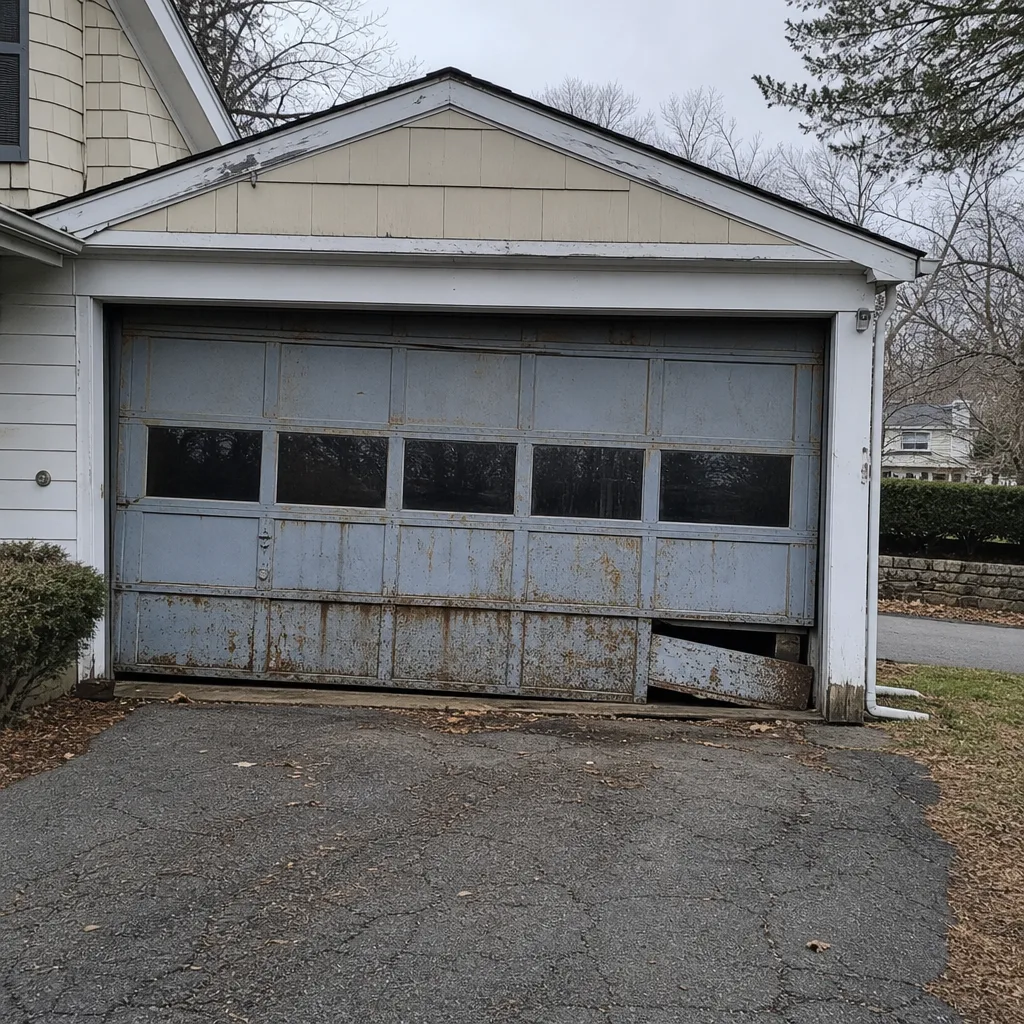 Before
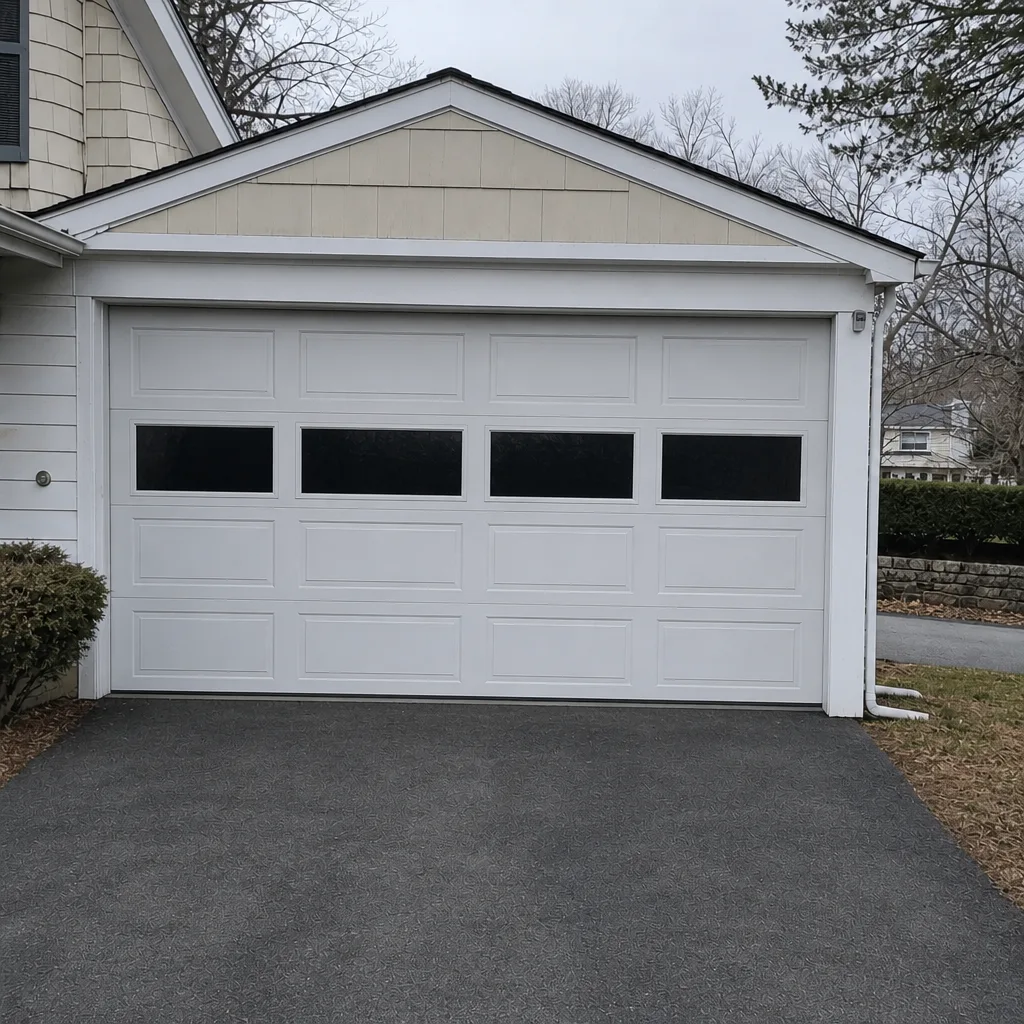 After
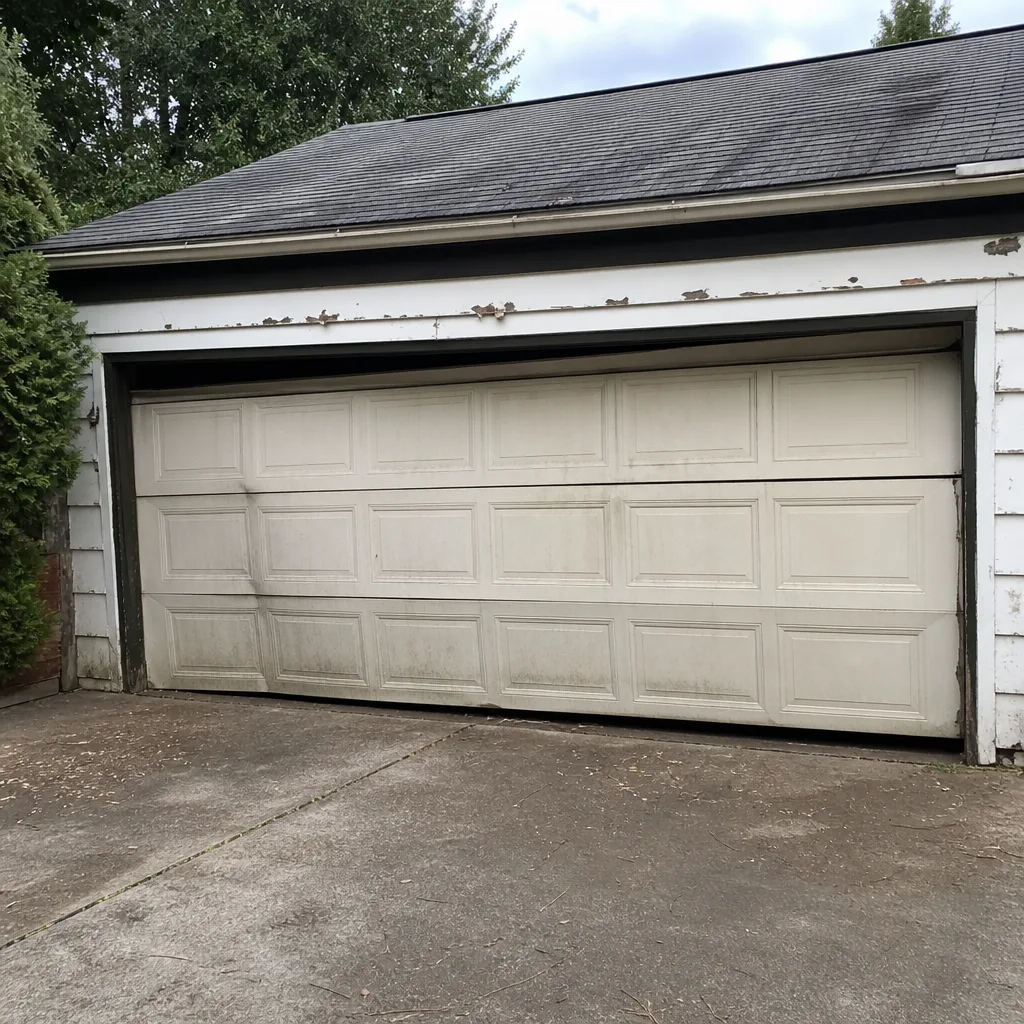 Before
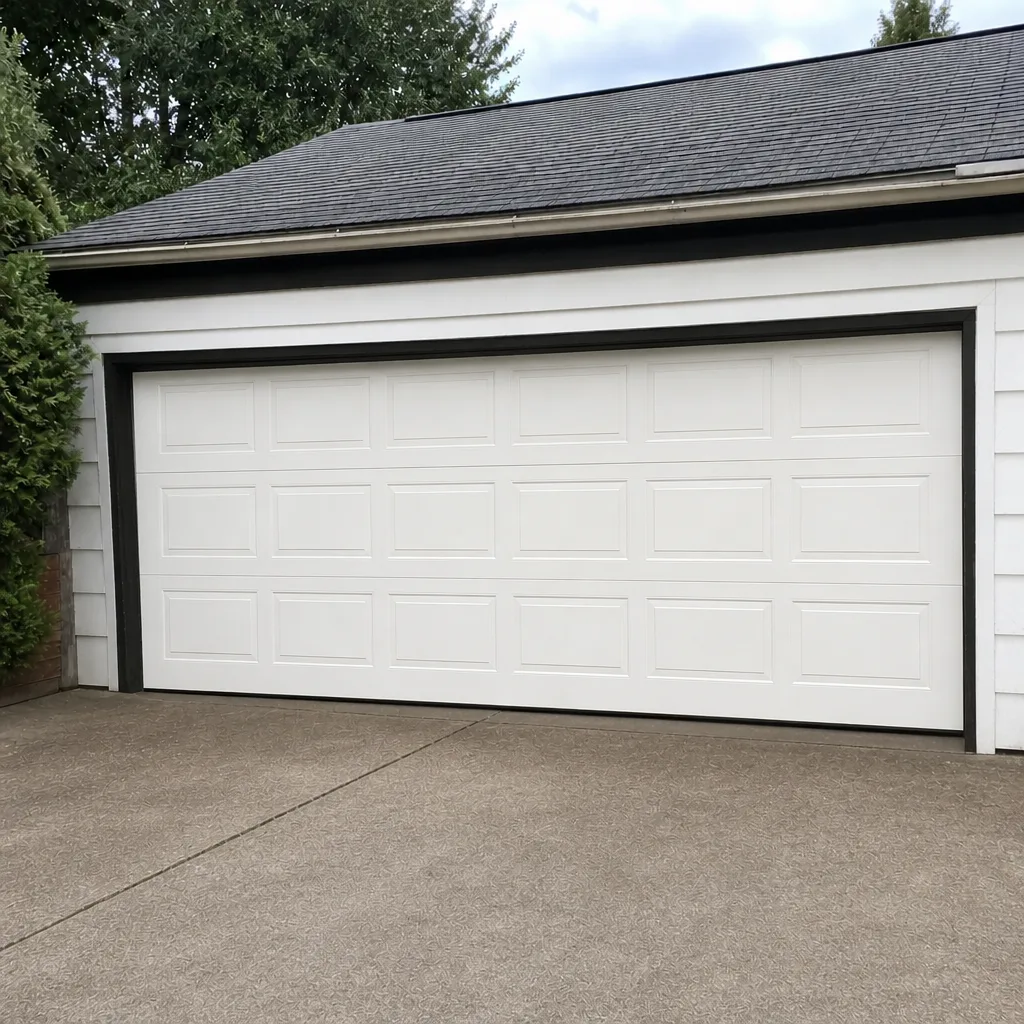 After
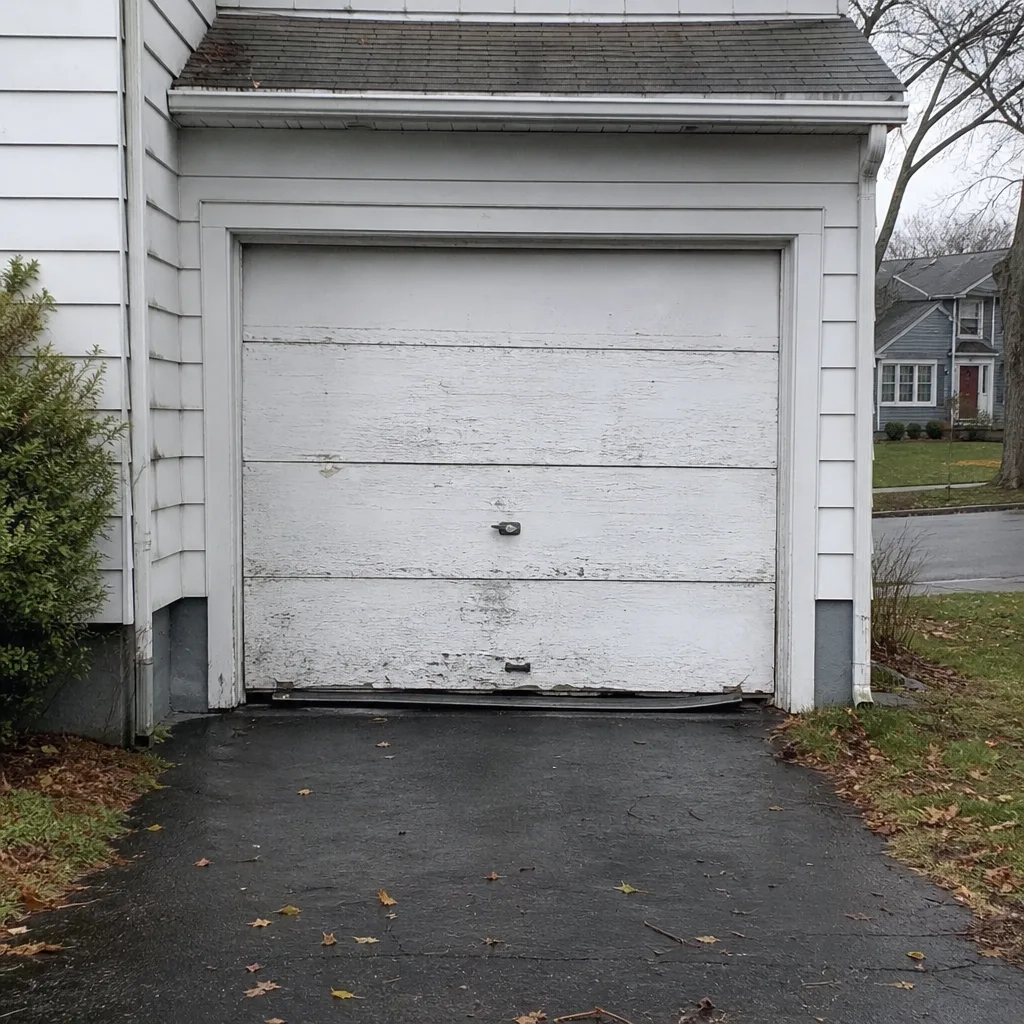 Before
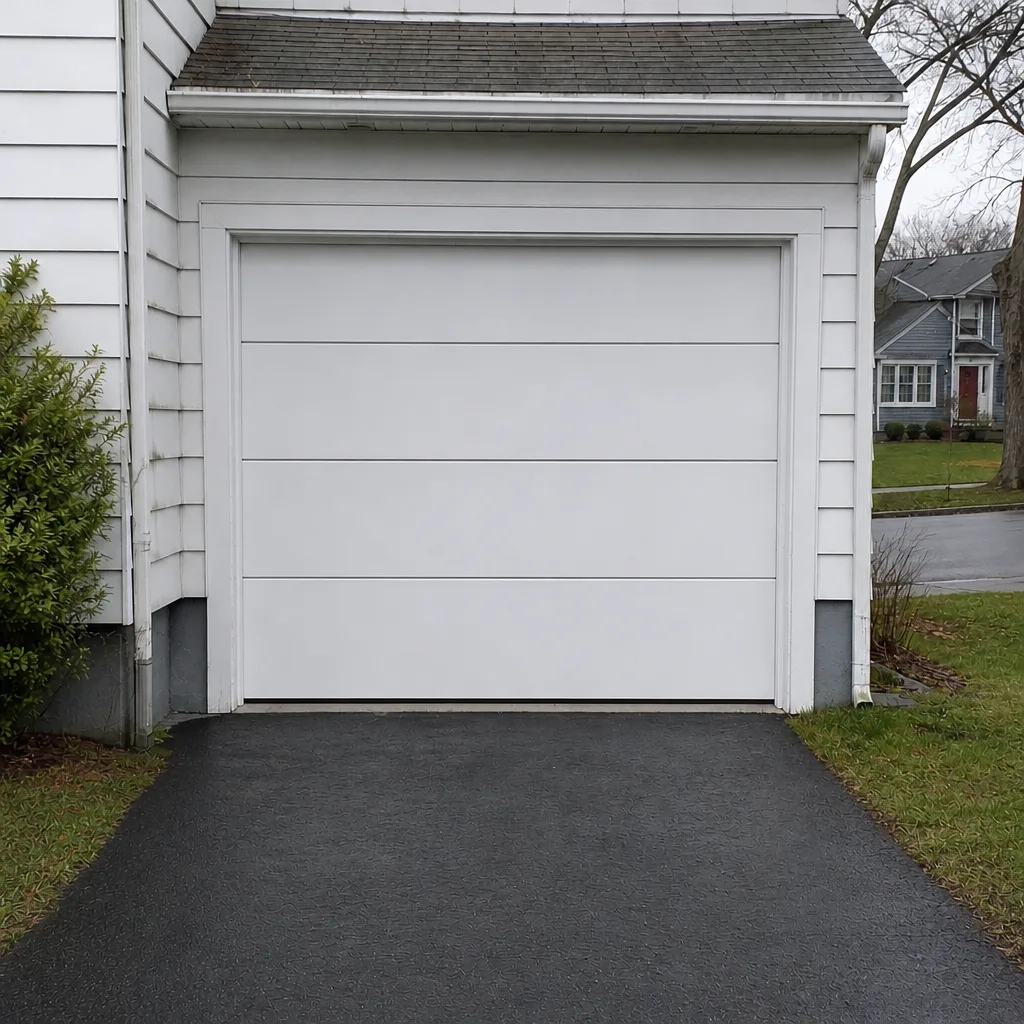 After
When to Call a Professional
Some maintenance tasks are safe for a homeowner to do: visual inspections, lubrication, the balance test, and keeping an operation log. Others should always go to a professional. Call for help if the balance test reveals a serious problem, if you see or suspect spring damage, if the cables show any signs of fraying or kinking, if the door comes off the track, or if the opener fails to respond or reverses unexpectedly. When it won’t open and you can’t wait – the car is trapped, the door won’t close before a storm, or the opener has died mid-cycle – that’s when our emergency service becomes the fastest solution. Call (855) 337-1712 to get the door back in working order. If your door is beyond saving, we also handle full door replacement – repair or replace, we’ll tell you which one makes sense. West Hartford Garage Door Repair Pros offers free estimates in West Hartford, and the written quote you approve is the price – call (855) 337-1712 to schedule.
Frequently Asked Questions
Twice a year for the full maintenance checklist – once in late fall before the first freeze and once in late spring after the thaw – plus a monthly visual inspection during winter. The balance test should be run twice a year. Lubrication happens twice a year minimum, more often if the door gets heavy daily use. The seasonal calendar in this guide is built around the specific timing that protects a door in Connecticut’s climate, where the freeze-thaw cycle does the most damage between November and March.
No. Torsion and extension springs are under extreme tension, and mishandling them can cause serious injury. The only spring test a homeowner should perform is the balance test – the rest of the work, including adjustment, replacement, and any inspection of the torsion tube, is work for a trained technician. Spring failure is a safety issue, not just an inconvenience, and the risk of attempting a replacement without professional training isn’t worth taking on. Call (855) 337-1712 for spring repair.
Don’t force the door open – that’s how the bottom seal and weatherstrip assembly get torn. Instead, disengage the opener (pull the emergency release), then work carefully to break the ice bond around the bottom seal using a plastic scraper or a warm (not hot) water application along the seal line. Once the door is free, inspect the seal for damage. If the seal tore or cracked, it needs replacing before the next freeze cycle. In our experience, most torn seals in West Hartford show damage from exactly this scenario, and a new seal installed in fall prevents the problem entirely.
Rollers need replacing when they show flat spots, wobble, cracks, or lose their shape. Cables need replacing if they have any fraying strands, kinks, birdcaging, or visible rust pitting. Cosmetic surface rust on a steel roller or light discoloration on a galvanized cable doesn’t require immediate replacement, but any structural damage does. When in doubt, call for an inspection – it’s cheaper to replace a worn cable than to repair the track damage that a snapped cable can cause.
No. The written estimate you agree to before any work starts is the final price. We quote based on what needs to be done, and the quote is the number you pay. If a surprise condition shows up during the work – a bent track behind a spring, for example – we stop and discuss it with you before proceeding so there are no surprises on the invoice. Call (855) 337-1712 for a free estimate.
Yes. We work on the brand already in your garage, including legacy equipment like older Craftsman and Genie openers and doors from manufacturers like Wayne Dalton and Raynor that are common in mid-century West Hartford homes. Older homes often have converted carriage doors on oversized openings or early sectional designs with track geometry that needs careful diagnosis. Our technicians have up to 15 years of experience with these systems, and we can tell you whether repair or replacement makes more sense. Call (855) 337-1712 to schedule an assessment.
The Bottom Line
Garage door maintenance in West Hartford isn’t about following a generic checklist – it’s about matching the schedule to what Connecticut’s climate actually does to a door. The freeze-thaw cycle from November through March is the biggest stressor, and the late-fall and early-spring inspections are when you catch most problems early. The balance test is your best early-warning tool, a simple operation log keeps you honest about gradual decline, and knowing which repair jobs are safe to do yourself versus which ones carry real risk keeps you out of trouble. If your door is showing failure-imminent signs – fraying cables, flat rollers, balance test failures – don’t wait for it to fail completely. Call (855) 337-1712 for a free estimate and get an honest answer on repair versus replace.
Written by the team at West Hartford Garage Door Repair Pros.