Last updated November 23, 2026
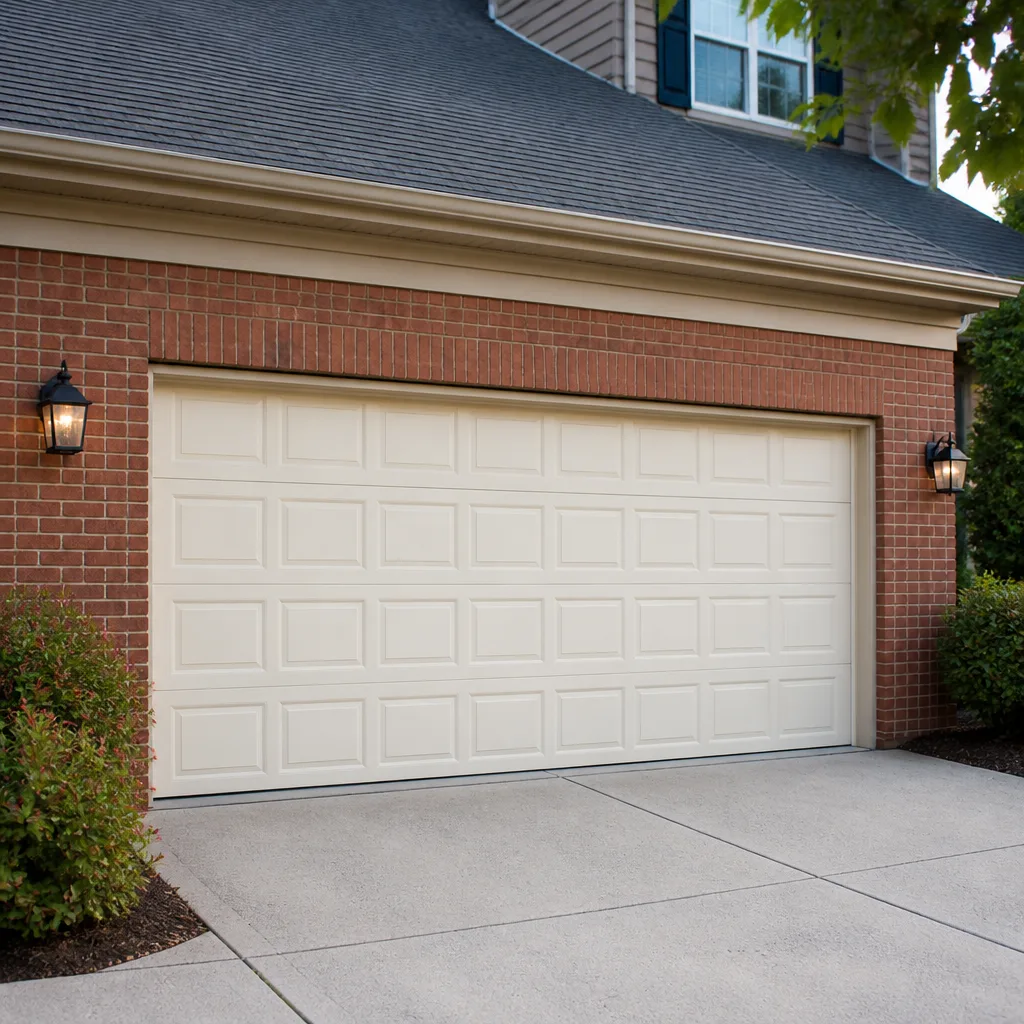 Raised-panel steel
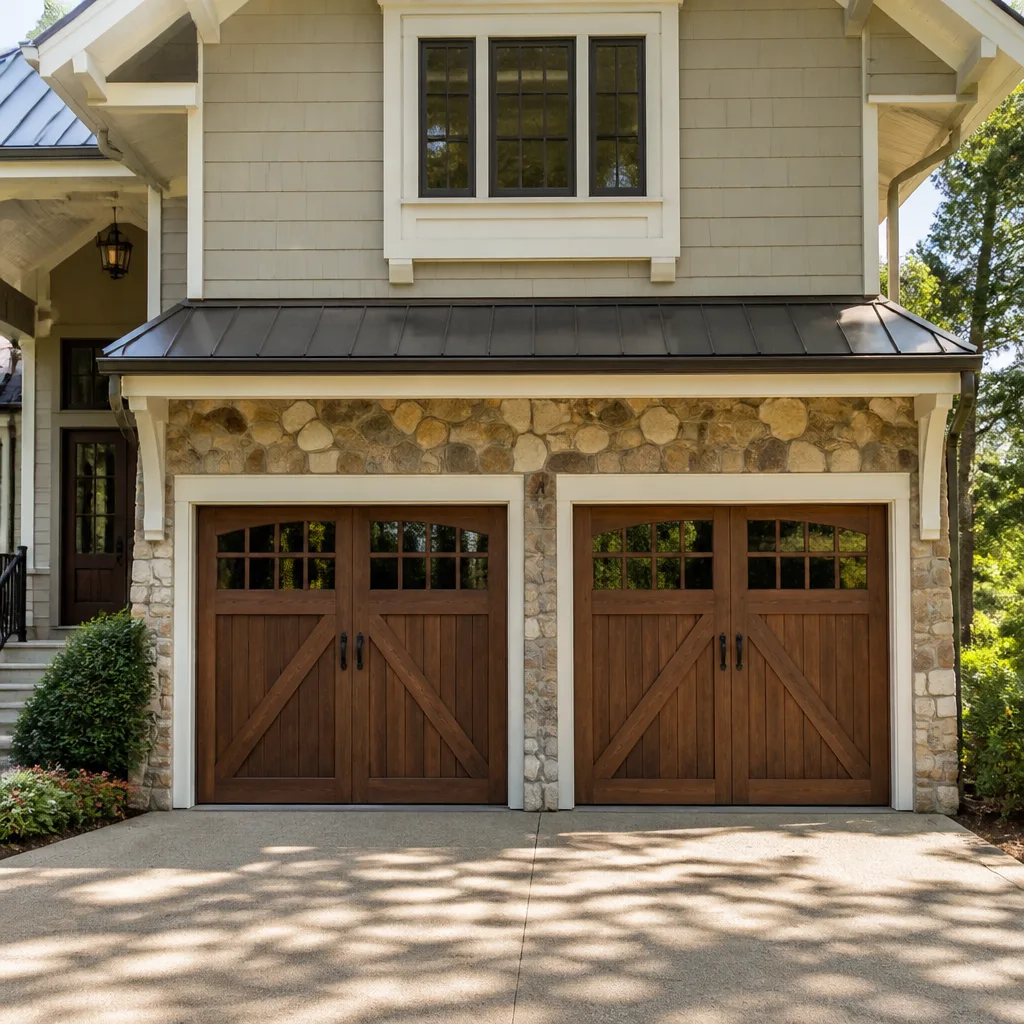 Carriage house
 Modern flush
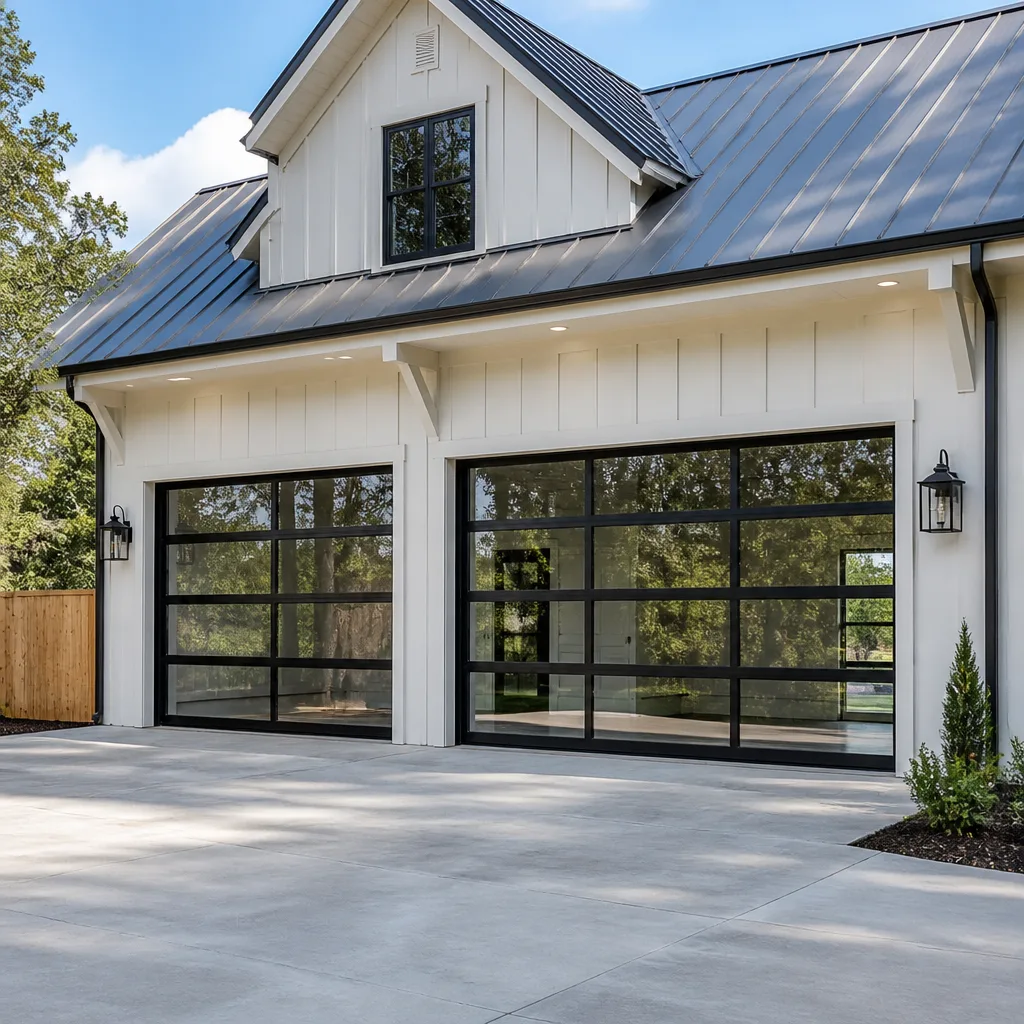 Full-view glass
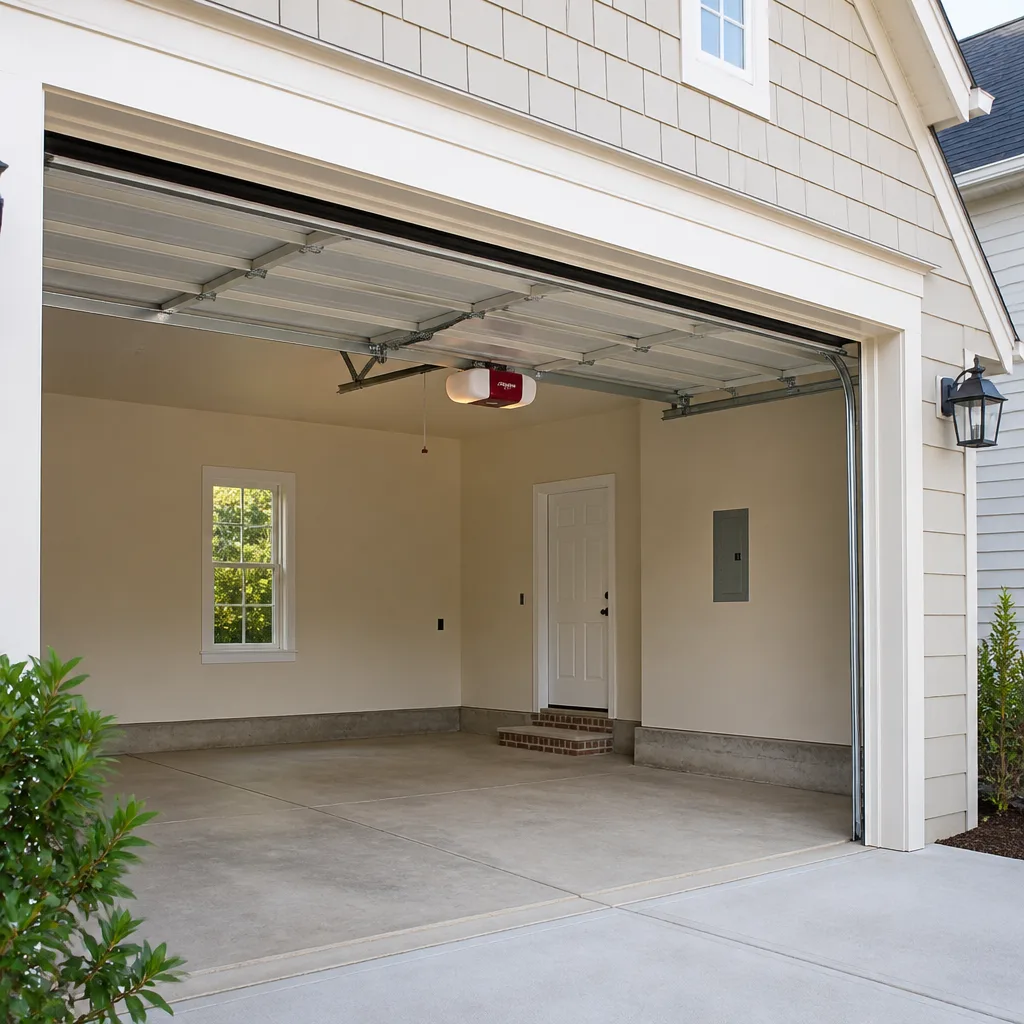 LiftMaster openers
 Chamberlain openers
Full 25-point door and opener safety check with every visit - springs, cables, rollers, tracks, and your LiftMaster or Chamberlain opener included
You get a price before we start. It does not change when the pro arrives.
Get your free estimateHow to Hire a Garage Door Contractor in West Hartford: A Step-by-Step Guide
Most homeowners hire a garage door contractor the way they’d hire a painter: they call whoever answers first, ask what it costs, and book it. That works fine for a room. It doesn’t work for a torsion spring under tension, and it doesn’t work in Connecticut, where the state expects anyone doing home improvement work to be registered for it. The gap between a registered specialist and a friendly person with a van isn’t a line on a form. It’s who’s responsible when a cable lets go or the work doesn’t hold.
This guide is built to close that gap fast. You’ll learn how to check a Connecticut Home Improvement Contractor registration in about two minutes, which insurance documents to ask for and what each one actually protects, the red flags that show up in this trade specifically, and how to keep two quotes comparable so you’re not comparing one company’s full scope to another’s guess. If you’d rather skip ahead and talk to someone who already meets these standards, that’s what West Hartford Garage Door Repair Pros is for. Otherwise, read on. West Hartford homeowners get burned by the same handful of shortcuts, and every one of them is avoidable.
Quick Answer
To hire a garage door contractor in West Hartford, verify the company’s Connecticut Home Improvement Contractor (HIC) registration through the state Department of Consumer Protection before you book, confirm general liability and workers’ compensation coverage in writing, and insist on a written scope of work that names the brand and model of every part. Then compare quotes on identical scope, not on headline price. A written estimate, a registration you’ve checked yourself, and a warranty that’s printed on a service ticket are the three things that separate a contractor from a risk.
Styles & brands we work with
- Raised-panel steel
- Carriage house
- Modern flush
- Full-view glass
- LiftMaster openers
- Chamberlain openers
Table of Contents
- Why Hiring Carefully Matters More in This Trade
- How Do You Verify a Contractor’s Connecticut HIC Registration?
- The Four Insurance Documents You Should Request
- Red Flags Specific to the Garage Door Trade
- How to Build a Comparison Quote That Means Something
- What a Legitimate Warranty Looks Like for Parts and Labor
- The Questions to Ask Before Anyone Touches Your Door
- Repair or Replace: How to Get an Honest Read
Why Hiring Carefully Matters More in This Trade
Garage door work carries a different kind of risk than most home repairs. A torsion spring holds stored energy that has to be released and reset with the right tools and the right technique. A track that’s out of plumb will bind a door and wear out an opener years early. An opener wired to the wrong force setting will keep working after it should have reversed. None of these failures announce themselves in the first week.
That’s why the hiring decision here isn’t just about credentials on paper. It’s about who’s on the hook when something fails. Here’s how the exposure breaks down:
- Injury liability. If an uninsured person is hurt on your property, the question of who pays doesn’t disappear because they were “helping.” Confirm workers’ compensation coverage in writing before anyone starts.
- Property damage. A dropped door panel, a bent track, a car under the door when a cable snaps. General liability coverage is what stands between you and a repair bill you didn’t cause.
- Permit and code exposure. Most cities require a permit for structural garage door work, and an unregistered contractor can’t pull one in their own name. Skipping it can complicate a future sale or an insurance claim. Ask West Hartford’s building department directly what your job needs – the rules change with scope, and we’d rather you hear it from the city than from us.
- Warranty voiding. Wrong parts can void an opener’s manufacturer warranty. A generic stand-in for a Raynor or LiftMaster component isn’t a savings if it costs you coverage.
This is why we lead with the brand already in your garage. Our technicians have up to 15 years of experience, and that experience is brand-specific: Craftsman, Raynor, LiftMaster, Chamberlain and the rest of the eight major lines we work on. Diagnosing a specific system is a different job than guessing at a generic one. If you want the plain version of what a proper repair looks like, our garage door repair page covers it. The hiring guide below is about making sure whoever shows up meets that standard.
How Do You Verify a Contractor’s Connecticut HIC Registration?
You verify a Connecticut Home Improvement Contractor registration by looking up the company’s registration number in the state Department of Consumer Protection’s online database, then confirming the name and business address on the record match the company you’re talking to. You can do it in under two minutes, and you should do it before anyone comes out.
Connecticut requires HIC registration for home improvement work above a set dollar threshold, and garage door repair and installation generally falls under it. A registered contractor should be able to give you the number without hesitation. Here’s the step-by-step:
- Ask for the registration number directly. A registered contractor gives it to you immediately. A pause or a “the office handles that” is your first signal.
- Open the CTDCP license lookup. The Department of Consumer Protection runs a public license and registration search. Search by the registration number and by the company name separately – both should return the same entity.
- Match the details. The name on the record should match the name on the quote. The address should be a real business address, not a PO box or a phone number.
- Check the status. Confirm the registration is active, not expired or suspended. A lapsed registration is the same problem as no registration.
- Save a screenshot. Keep the screen capture with your quote. If there’s ever a dispute, you’ll want the record of what you checked and when.
If the number doesn’t check out, walk away. No explanation is good enough to outweigh a registration you can’t verify yourself. The state put the database online for exactly this reason, and a legitimate West Hartford contractor won’t be bothered that you used it.
What if they say they’re “licensed” but can’t find the number?
Ask them to send the registration certificate as a PDF. A registered contractor has it on hand. If what arrives is a business card with a number scrawled on the back, that’s not a registration – it’s a phone number with extra steps. This single check filters out more bad actors than any other step in this guide.
The Four Insurance Documents You Should Request
You should request four documents: a certificate of general liability insurance, a certificate of workers’ compensation insurance, the additional insured endorsement for your job, and proof of commercial auto coverage if a vehicle will be on your property. Each one protects you from a different exposure, and a contractor who carries them will produce them without drama.
Here’s what each document does, in plain terms:
- General liability certificate. Covers damage to your property or a third party during the job – a dropped door, a damaged track, damage to a car in the driveway. Ask for the certificate to name you as an additional insured on the job, which means the policy responds directly if a claim comes up.
- Workers’ compensation certificate. Covers injuries to anyone working on your property. Without it, an injured worker can look to you. If the company uses subcontractors, ask how they’re covered – a subcontractor’s own policy should be produced, not assumed.
- Additional insured endorsement. This is the page that actually adds you to the policy. A certificate alone shows coverage exists; the endorsement shows it covers your job.
- Commercial auto proof. If a company vehicle is on your property and something happens to it, commercial auto coverage is what responds. It’s a small document with a big difference in a claim.
Ask for these by email so you have a record. A legitimate contractor sends them the same day. If you’re hiring in West Hartford and want a quick way to focus the search, this is the checklist to run before the first call: registration number, all four documents, written scope. Anyone who passes those three is worth a conversation. Anyone who doesn’t is a shortcut you can’t afford on a spring job.
Why the documents matter more than the handshake
Most homeowners never ask, and most contractors never volunteer. The ones who do volunteer it are telling you something. In our experience, the companies that can produce insurance paperwork on request are the same ones that produce a written estimate and a real warranty. It’s a habit of documentation, and it shows up everywhere.
Red Flags Specific to the Garage Door Trade
The garage door trade has its own warning signs, and they don’t look like the generic ones. Nobody’s going to pressure you with a “limited-time offer” on a torsion spring. The shortcuts here are quieter, and they cost more.
- Vague spring pricing. “Spring repair, call for price” is a dodge. Spring pricing depends on whether it’s one spring or a matched pair, the wire size and the door’s weight, and the door’s condition. A legitimate contractor can give you a range over the phone and a firm number after they see it. A company that won’t name a number until they’re standing in your garage is setting up a number you can’t shop.
- Same-day cash-only pressure. Spring failure is a safety issue, not just an inconvenience, and urgency is real. But genuine urgency gets a written estimate and a payment method you choose, not a cash-only demand while the door is still open. Card or check after the written quote is the normal flow.
- Refusal to provide a written scope of work. A written scope names the parts – brand, model, part number where relevant, quantity – and the labor. If you can’t get it in writing, you’re not comparing quotes, you’re comparing sales pitches.
- “We can fix any brand” with no brand knowledge. A generalist will take a Craftsman opener apart and put generic parts back in. That’s not a fix; that’s a future callback. Ask what brand they work on most and listen for specifics.
- Pressure to replace when repair is the honest answer. A door with life left in it, a single failed spring on an otherwise sound door, an opener that needs a gear and a sensor rather than a whole unit – these are repair jobs. Upsell pressure on a repairable door is a signal.
- No conversation about safety testing. A contractor who finishes a spring or opener job without testing the reversal, the balance and the travel limits hasn’t finished the job. Ask how they test.
- No local footprint you can check. In a market like West Hartford, a contractor with a verifiable registration and a real service history is easy to check. One with nothing to verify isn’t a bargain.
These flags aren’t about competence only. They’re about whether the contractor expects you to check. The ones who welcome the check are the ones who pass it.
How to Build a Comparison Quote That Means Something
You build a comparable quote by writing the scope yourself before you call anyone, then asking each contractor to price that scope line by line. When contractors define their own specs, you end up comparing a full spring pair to a single spring, or a name-brand opener to a rebuilt one, and the cheaper number tells you nothing.
Here’s how to structure it so the quotes line up:
- Write your scope first. One page, plain language: what’s failing, what you want done, what stays and what gets replaced. Include the door and opener brand and model if you know it – the label is usually on the opener motor head.
- Ask for itemized pricing. Parts, labor, disposal, and any trip or diagnostic charge as separate lines. A single lump-sum number hides what’s actually being done.
- Specify parts by brand and model. “New torsion spring” isn’t a spec. “Two-cycle-rated torsion spring, matched pair, wire size per door weight” is. Same for openers – LiftMaster and Chamberlain parts aren’t interchangeable with generic equivalents, and the quote should say which.
- Ask what’s excluded. Paint touch-up, trim repair, permit fees, hauling the old door. Exclusions are where quotes diverge.
- Ask for the estimate in writing. Signed, dated, with the warranty terms attached. The written estimate sets the final price, and it should be the number you agree to before any work starts.
Typical pricing ranges help you sanity-check what comes back. A single torsion spring repair in the West Hartford market generally runs in the low hundreds depending on the door and spring type; a matched pair, which is usually the right call, runs roughly twice that because both springs are replaced together. Opener repair varies with the failure – a sensor or gear is a different job than a full unit replacement. Use ranges to catch an outlier, not to pick a winner. The written estimate is what matters, and any legitimate contractor will quote the job, not just a category.
When the quotes are in, put them side by side on the same scope. The lowest number on different scope isn’t the lowest number.
What a Legitimate Warranty Looks Like for Parts and Labor
A legitimate warranty is a written document that separates parts coverage from labor coverage, names the duration of each, states what voids it, and appears on your service ticket and invoice. Verbal assurances mean nothing without that paper, because a warranty you can’t find in a drawer when something fails doesn’t exist.
What to look for:
- Parts warranty. Typically the manufacturer’s warranty, passed through to you, with the model and part number on the ticket. Spring warranties on quality springs commonly measure in years; opener warranties track the manufacturer’s terms. Confirm what’s covered and what isn’t in writing.
- Labor warranty. Separate from the parts warranty, and usually shorter. Ask for the number in writing – it’s the difference between “we stand behind our work” and a repair you can call back on.
- The service ticket. A real ticket lists the parts used with model numbers, the labor performed, the date, and the warranty terms. If the ticket is a handwritten receipt with a total, ask for the full ticket before you pay.
- What voids it. Most parts warranties are voided by improper installation or by opening the equipment yourself. Ask what voids the coverage before you sign.
- Who honors it. If the manufacturer holds the parts warranty, you’ll deal with them for a part failure. If the contractor holds the labor warranty, you’ll deal with the contractor. Know which before you need to know.
Keep the ticket and the written estimate together. On a spring replacement, the parts number on the ticket is proof of what went into your door – and the only thing that turns a verbal “we’ll cover that” into something you can actually use.
Why verbal assurances fall short
Because memory fades and people move. A warranty that lives only in a phone call is a warranty you can’t enforce on a Sunday when the door won’t close. Every company we know of that takes warranty seriously writes it down. That includes us – when we quote a spring job, the parts and labor terms are on the estimate before you approve it.
The Questions to Ask Before Anyone Touches Your Door
Before anyone touches your door, ask these questions. The answers tell you more about the contractor than any review you can read:
- “What’s your HIC registration number?” You’ll check it yourself.
- “Can you email me your certificate of insurance?” Same day, or it’s a conversation.
- “What brand is my opener, and what parts does it take?” A brand-familiar technician answers this easily. A generalist hedges.
- “Is this a repair or a replacement, and why?” The “why” is the part that matters.
- “What’s the written estimate, and what could change it?” There should be a number and an honest list of what could move it – hidden rust, a bent track, a failed cable – and the price should be agreed before work starts.
- “Will I get a written ticket with the parts and warranty terms?” The answer should be yes.
- “How will you test the door when you’re done?” Reversal, balance, travel limits, and a visual check of cables and springs.
If you’re calling around West Hartford, this list gets you through the filter in one afternoon. Companies that answer confidently in plain language are the ones worth a visit.
Repair or Replace: How to Get an Honest Read
You get an honest read by asking for the repair price and the replacement price on the same day, in writing, from the same contractor. A contractor with nothing to sell you but a new door will find a reason to replace. A contractor who does both repair and installation can tell you which one makes sense, and you’ll have the numbers to check the reasoning.
Repair usually wins when the door itself is sound: panels straight, tracks true, hardware original and intact. A spring failure, a worn opener gear, a misaligned sensor – these are repair jobs on a door with years left. Replacement usually wins when the door is failing in several places at once, the panels are dented or delaminating, or the opener is a legacy system that’s already on its second or third repair. Even then, “replace” isn’t automatic; a door that needs a full hardware refresh and a new opener is often better served by a targeted repair than a full tear-out.
This is where the brand-familiar angle earns its keep. Knowing the opener model matters, and knowing whether a Craftsman or LiftMaster unit is worth repairing depends on the specific system and what failed. Our garage door opener repair page covers the repair side; the replacement conversation belongs in the same phone call, so you’re comparing two real options, not one option and a shrug. If the honest answer is a new door, a contractor who installs doors will tell you so – and mean it. If the honest answer is a spring pair, you shouldn’t have to argue your way there.
Getting the numbers to compare
Ask for both in writing, on the same scope, on the same visit. Repair price, replacement price, what each includes. If a contractor won’t put a replacement number next to a repair number, that’s information too.
Common Mistakes to Avoid
- Skipping the HIC lookup because the company “seems legitimate.” The lookup takes two minutes and is the cheapest insurance you’ll ever buy. A friendly phone manner and a nice website don’t replace a state registration record.
- Accepting a certificate of insurance without the additional insured endorsement. The certificate proves coverage exists. The endorsement is what adds your job. Ask for both – one is a brochure, the other is a contract.
- Treating a spring job as a commodity. A single spring and a matched pair aren’t the same job, and a quote that doesn’t specify what’s being replaced isn’t a quote. In West Hartford’s older housing stock, spring weight and door balance vary enough that the parts have to match the door.
- Letting each contractor define the scope. Write your own scope first, then hand it to every contractor. If you let them spec the job, you’re comparing their sales strategies, not their prices.
- Settling for a verbal warranty. If it isn’t on the ticket and the invoice, it didn’t happen. Ask for the parts and labor terms in writing before you approve the work.
- Calling three companies and picking the cheapest number. The cheapest number on different scope is usually the most expensive job. Compare the written estimates side by side on identical line items.
- Not asking how the door will be tested. A contractor who doesn’t test reversal, balance and travel limits when they’re done hasn’t finished. Ask what the test looks like before you pay.
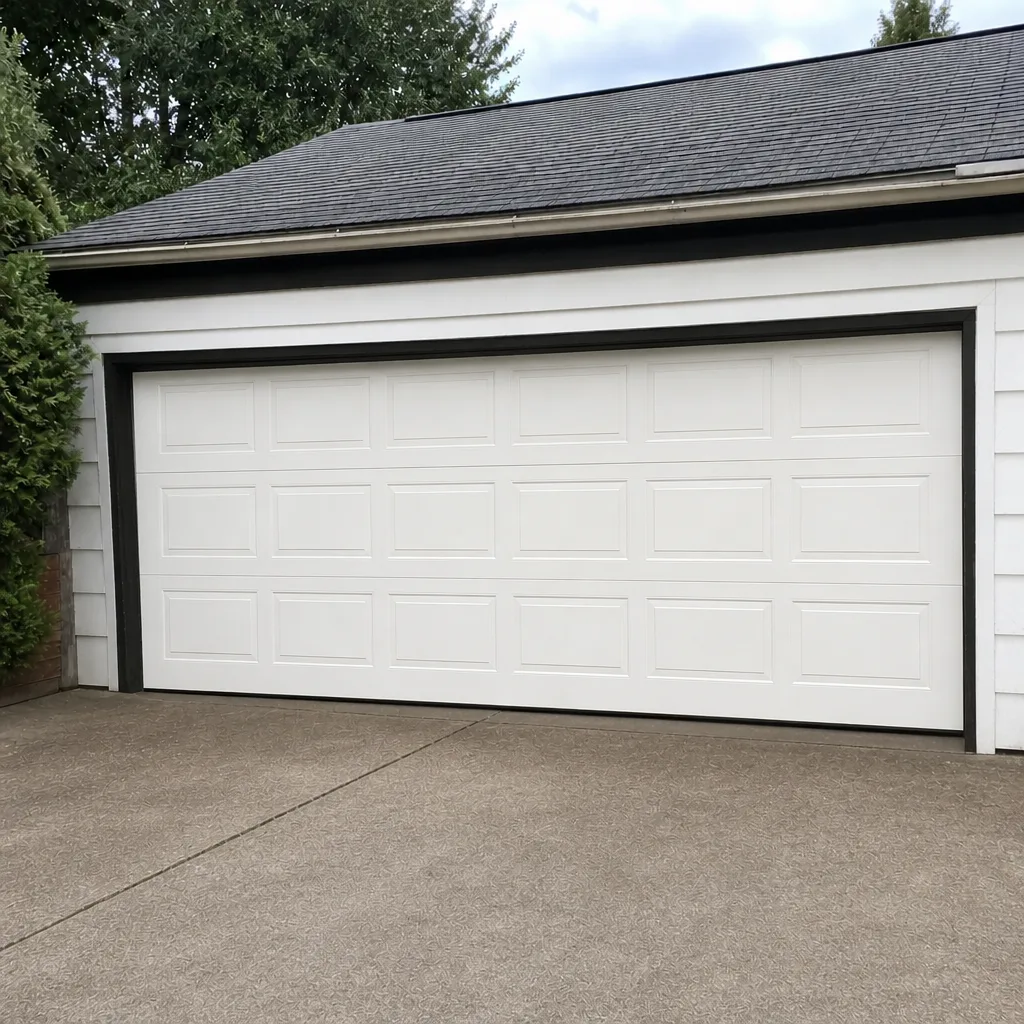
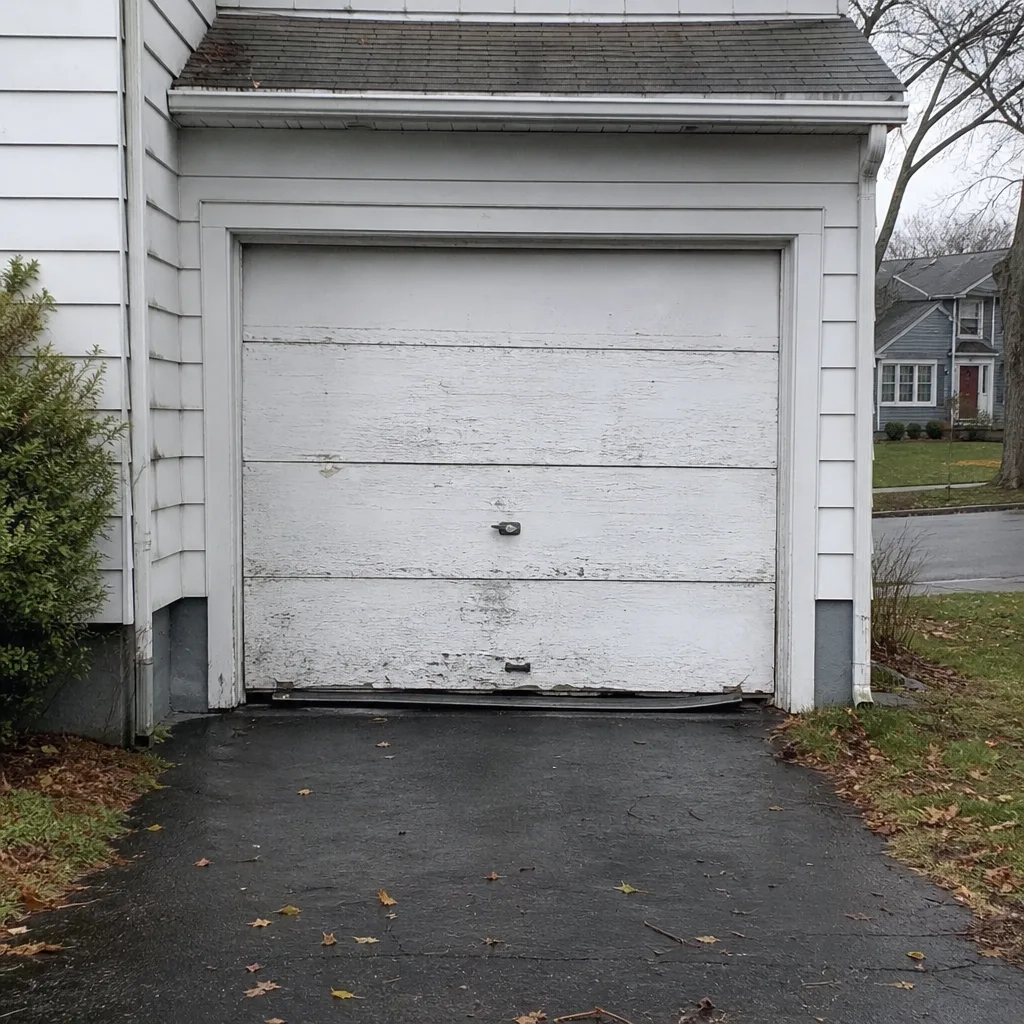
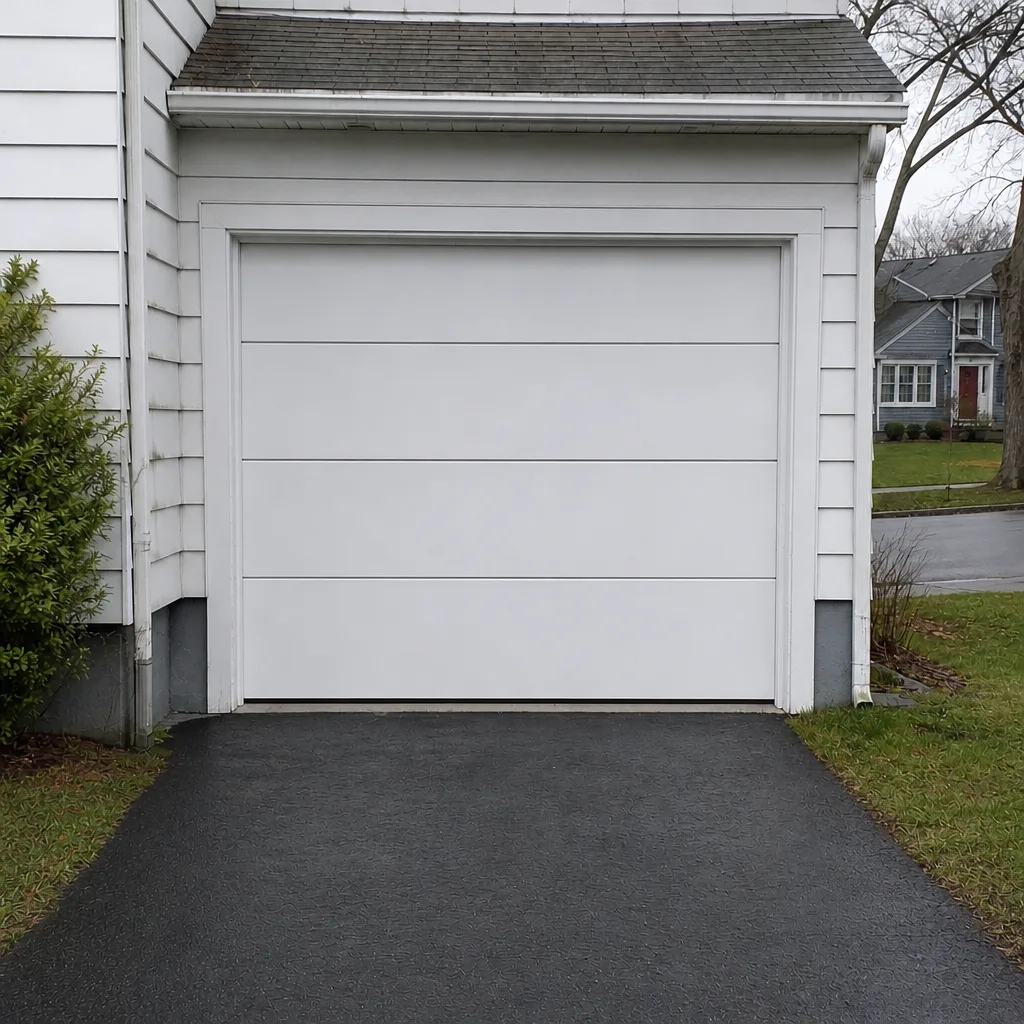
See the difference
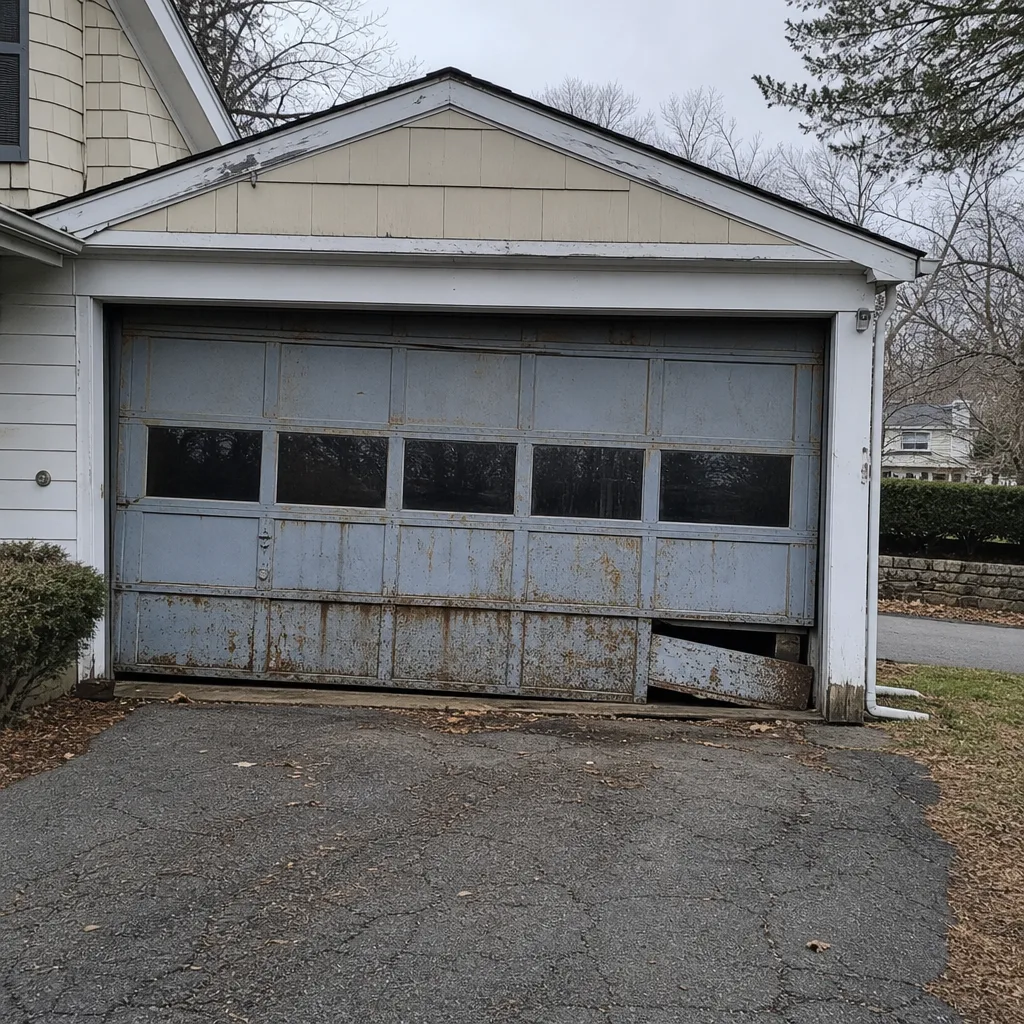 Before
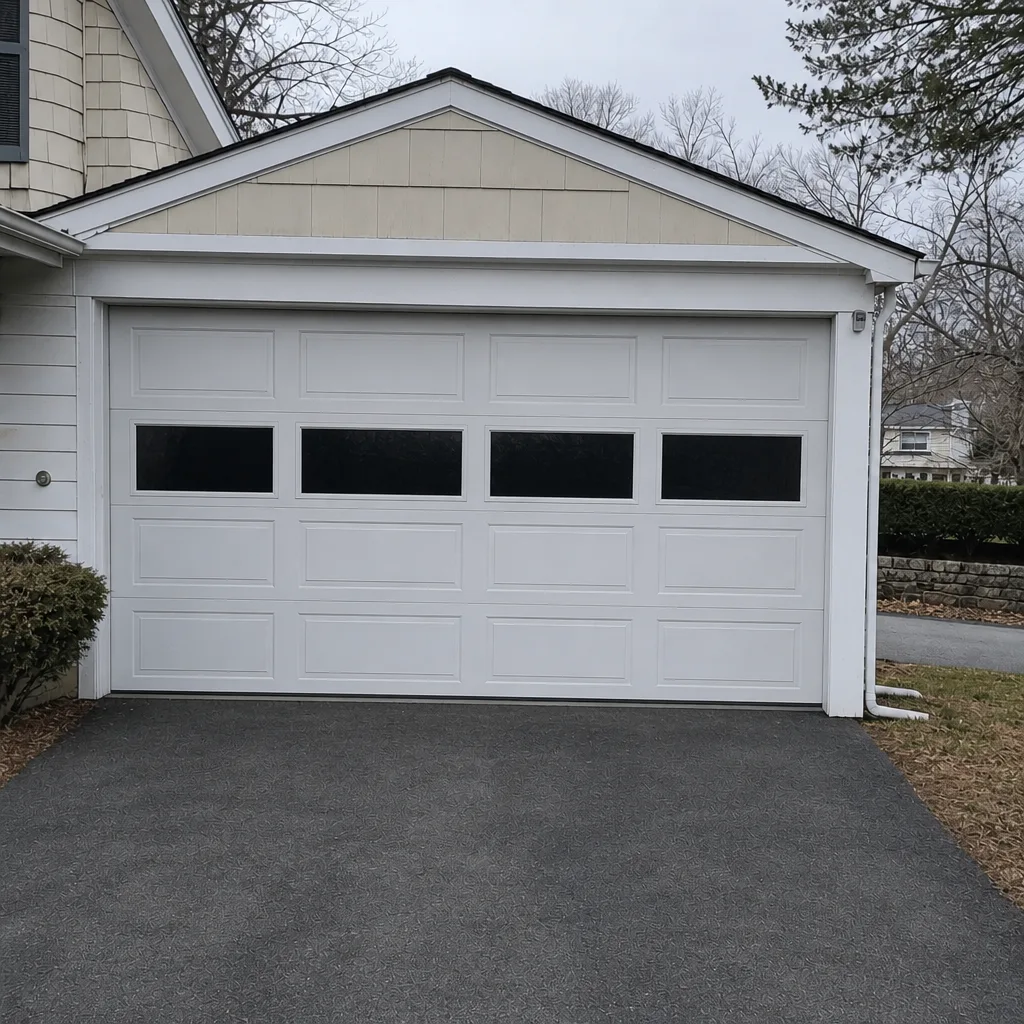 After
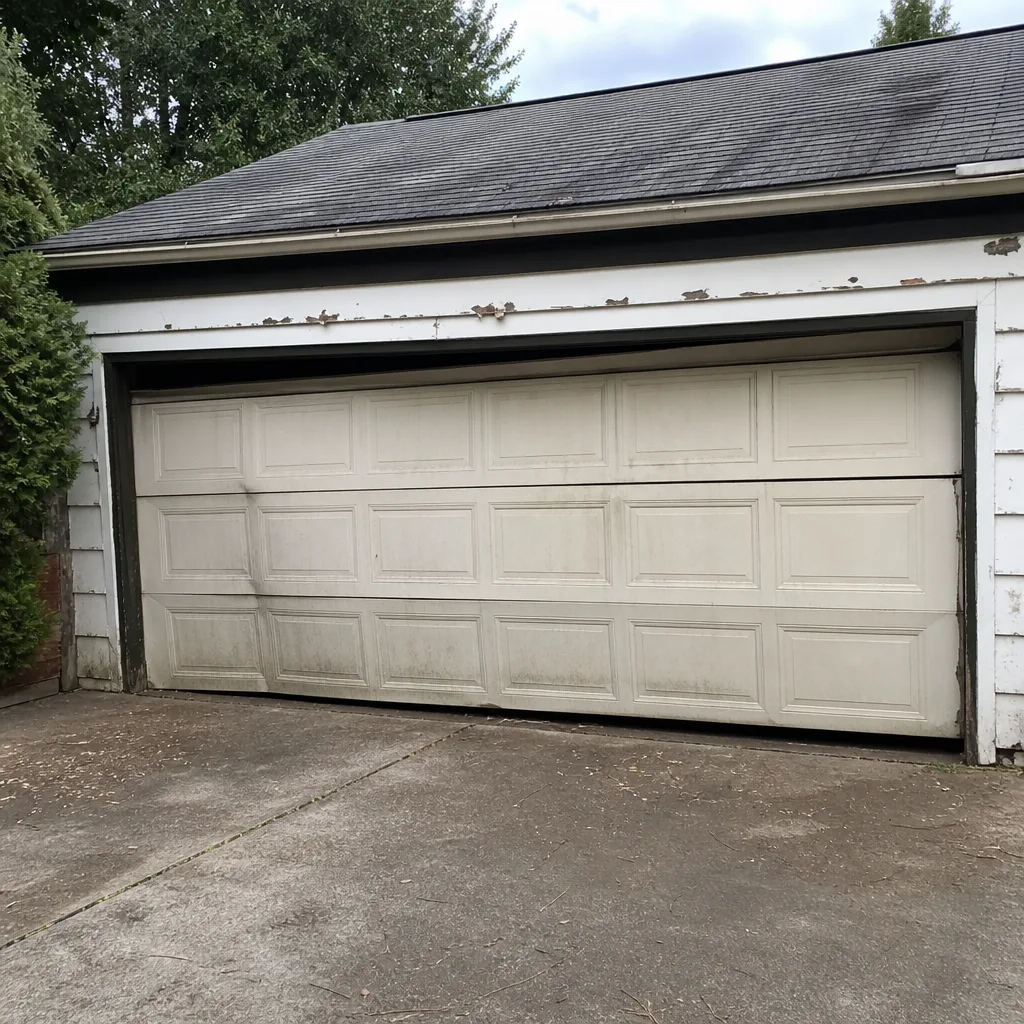 Before
 After
 Before
 After
When to Call a Professional
Call a professional when the door won’t open or close, when you hear a snap or a loud bang from overhead, when the door comes down unevenly, or when the opener runs but the door doesn’t move. Those are the situations where the fix is either dangerous or brand-specific, and often both. Spring failure is a safety issue, not just an inconvenience: a torsion spring or cable under tension can cause serious injury if it’s handled without the right tools and technique, and the right move is to keep the door in place and call someone trained for it. The same goes for opener wiring and any sensor work that involves the safety circuit – it’s not a job to improvise.
If the door is already down and the car’s inside, that’s the “when it won’t open and you can’t wait” scenario. Our garage door spring repair team handles those calls, and garage door opener repair is a core service when the opener is the failure. West Hartford Garage Door Repair Pros offers free estimates in West Hartford – call (855) 337-1712 and we’ll talk through what’s happening and what it takes to fix it. The written estimate comes before any work starts, and the price is agreed before we begin.
Frequently Asked Questions
Torsion spring repair in West Hartford typically runs in the low hundreds for a single spring, and roughly twice that for a matched pair, which is usually replaced together because the two springs wear at the same rate. The exact price depends on the wire size, the door’s weight and whether the cables or bearings need attention while the door’s open. The written estimate sets the final price, and it’s agreed before any work starts. Call (855) 337-1712 for a free estimate – estimates are free.
Ask for the HIC registration number, then verify it in the Connecticut Department of Consumer Protection’s public license lookup, matching both the number and the company name. The record should be active and the business name should match the quote. Two minutes, and you’ve filtered out most of the risk. If you’re hiring in West Hartford and want the short version: registration number, insurance documents, written scope. Call (855) 337-1712 if you’d like to talk through a job.
Often, yes – routine repairs like a broken spring, a stuck door, or an opener that’s stopped responding are commonly handled the same day, and emergency service is structured for doors that fail late in the day. Availability depends on parts and the specific failure, so call and describe what’s happening. Call (855) 337-1712 for the fastest read on timing and a free estimate.
It shouldn’t, and the way to make sure is to get the price in writing before work starts. A legitimate contractor can give a narrow range over the phone and a firm number after seeing the job, and the written estimate is the price you agree to. If hidden rust, a bent track or a failed cable shows up, it should be added as a line item you approve – not as a surprise total. Call (855) 337-1712 and get the estimate in writing first.
The local professional we connect you with is registered as required and carries general liability and workers’ compensation coverage as their state requires. Ask to see the certificate of insurance and the additional insured endorsement before work starts – any contractor who takes the job seriously will send both. You can verify a registration independently through the Connecticut Department of Consumer Protection. Call (855) 337-1712 with questions about coverage.
We work on the eight major lines most commonly installed in residential use: LiftMaster, Chamberlain, Genie, Clopay, Amarr, Wayne Dalton, Craftsman and Raynor. That means brand-specific diagnostics for the opener and door actually in your garage, not a generic stand-in for the parts. If you’re not sure what you have, the model label on the opener head or the door’s edge will tell you, and we can work from that. Call (855) 337-1712 for a free estimate.
Repair usually wins when the panels, tracks and hardware are sound and the failure is isolated – a spring, an opener gear, a sensor. Replacement usually wins when the door is failing in several places or the opener has had repeated repairs. Ask for both prices in writing on the same visit so you’re comparing real numbers. Call (855) 337-1712 and we’ll tell you which one makes sense.
The Bottom Line
Hiring a garage door contractor in West Hartford comes down to three checks: a state HIC registration you verified yourself, insurance documents in writing including the additional insured endorsement, and a scope of work written before anyone touches your door. Those three filter out the bad actors faster than any review or referral. Add a comparison quote built on your scope rather than the contractor’s, and a warranty printed on the ticket and the invoice, and you’ve covered everything that matters. Repair or replace, spring or opener, the standard is the same. If you want to skip the search and start with a company that meets it, call (855) 337-1712 for a free estimate – our technicians have up to 15 years of experience, the price is agreed before we start, and the written estimate sets the final price.
Written by the team at West Hartford Garage Door Repair Pros.