Last updated November 23, 2026
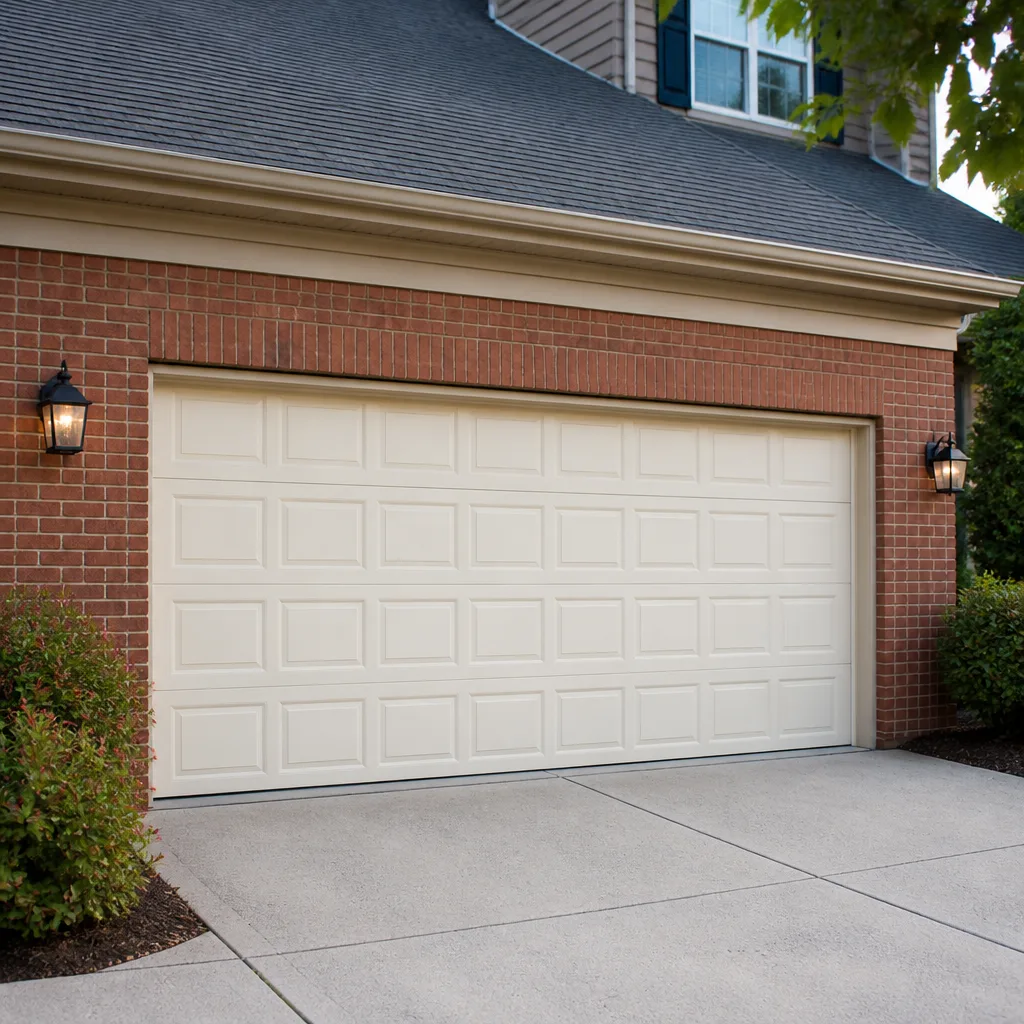 Raised-panel steel
 Carriage house
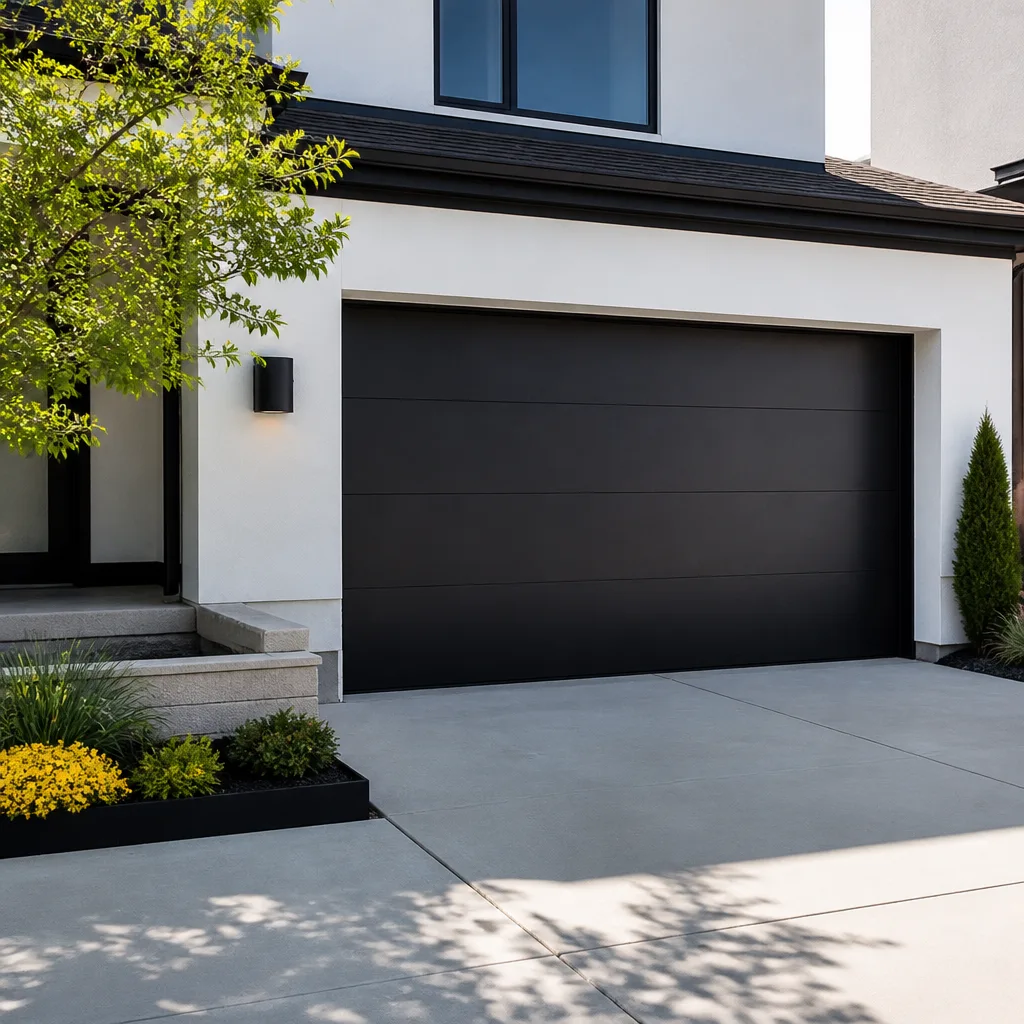 Modern flush
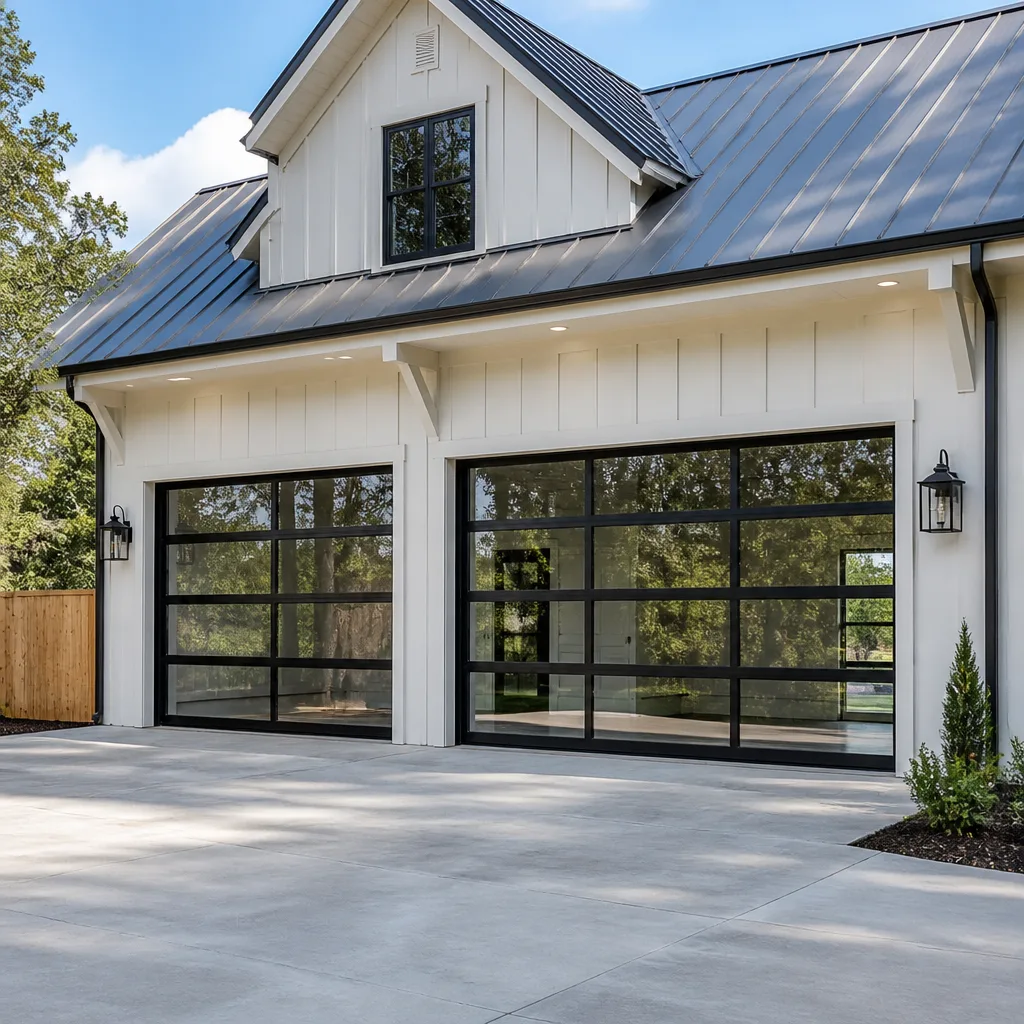 Full-view glass
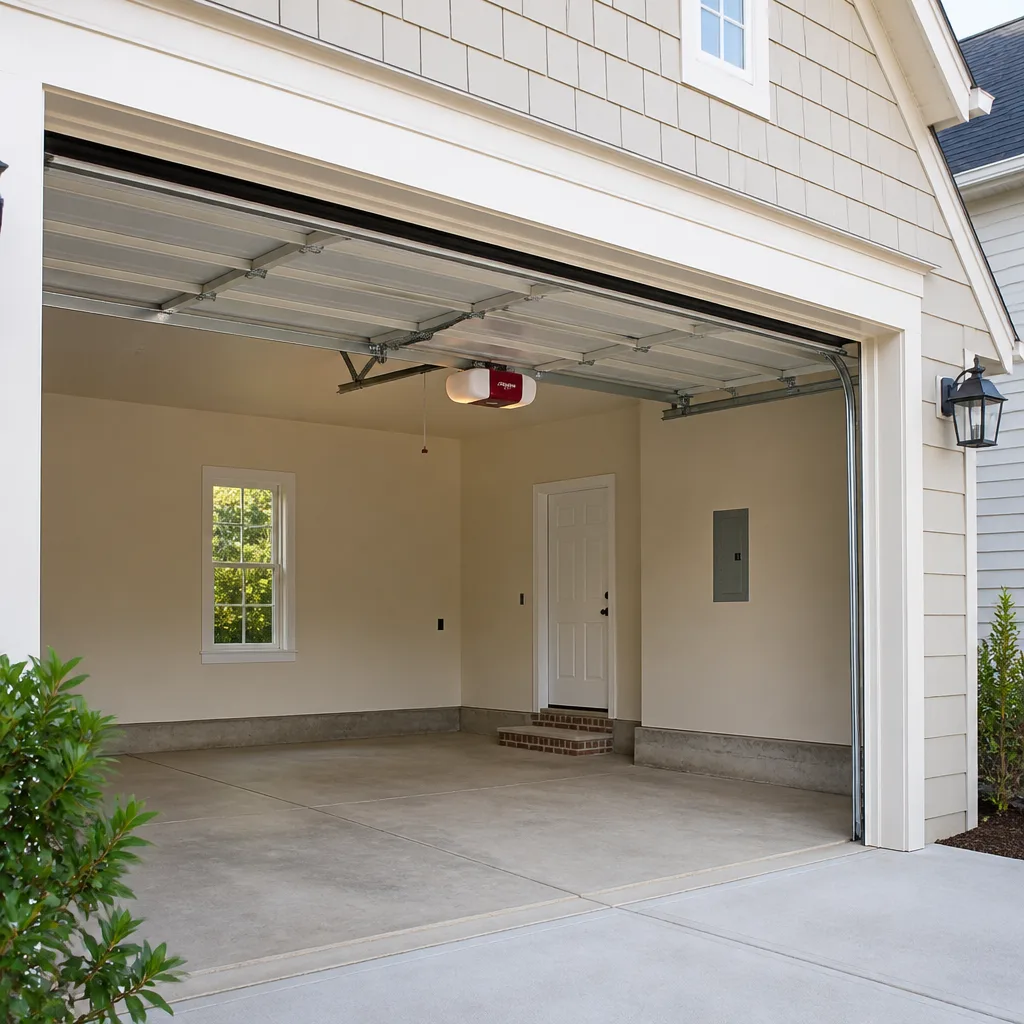 LiftMaster openers
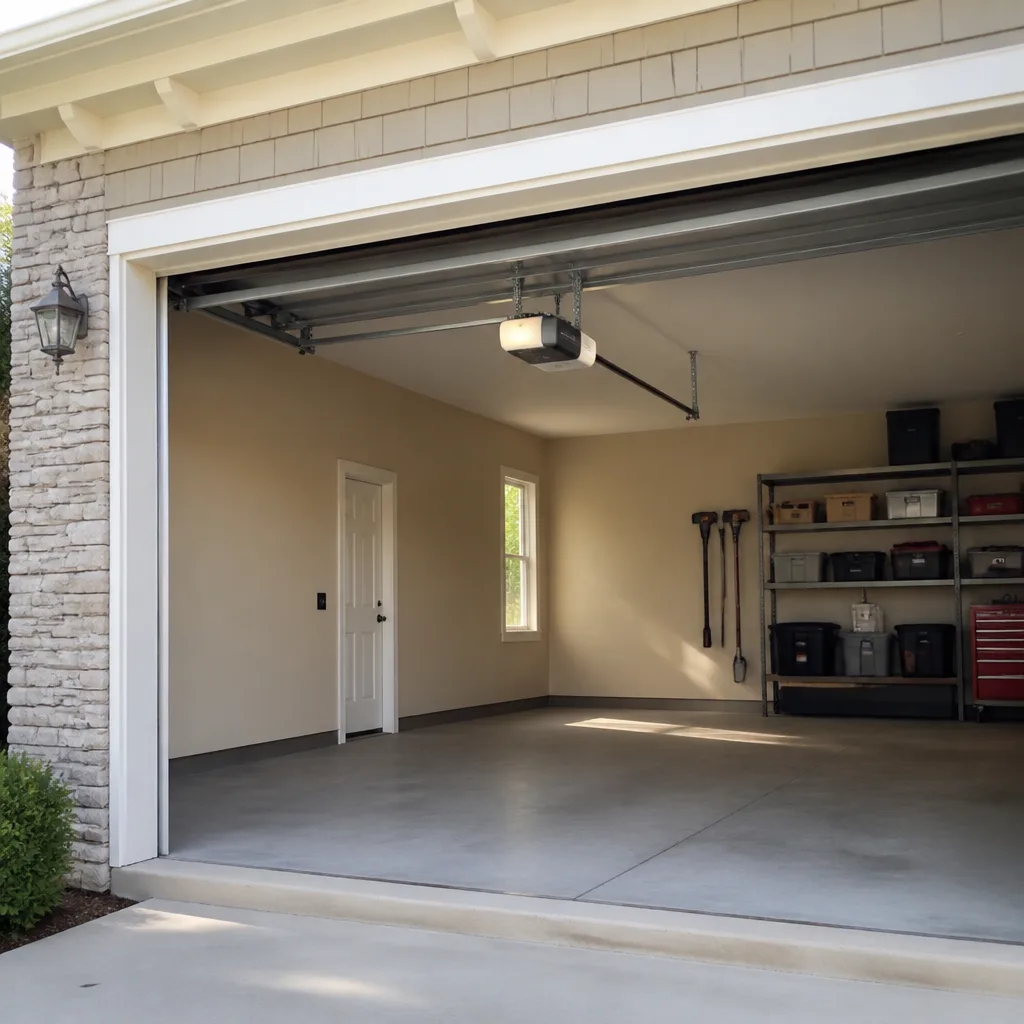 Chamberlain openers
Full 25-point door and opener safety check with every visit - springs, cables, rollers, tracks, and your LiftMaster or Chamberlain opener included
You get a price before we start. It does not change when the pro arrives.
Get your free estimateSeasonal Garage Door Care for West Hartford: Year-Round Homeowner’s Guide
Applying standard garage door lubricant in January in Connecticut is counterproductive. Most petroleum-based sprays thicken below 20°F, and instead of protecting your rollers they can slow them down and make the whole door work harder in exactly the month it’s already stiffest. That single detail tells you something most maintenance advice gets wrong: it isn’t the checklist that matters most, it’s the timing. West Hartford’s four-season swing punishes garage door hardware in a specific sequence, and a task done in the wrong season can speed up failure rather than prevent it. This guide walks you through what to do each season, why the order matters, and how to keep a simple log so nothing sneaks up on you.
Quick Answer
Seasonal garage door care in West Hartford follows the calendar, not a fixed to-do list. Fall is the critical window – finish threshold seal inspection and opener force-limit recalibration before the first hard freeze. Spring is the deepest inspection window because winter’s thermal cycling only shows up under load. Summer is when heat and humidity warp wood composite and vinyl thresholds, and winter is when road salt and sand work their way into your bottom roller tracks. Get the sequence right and the door lasts; get it wrong and you’ll be calling for repair mid-season.
Styles & brands we work with
- Raised-panel steel
- Carriage house
- Modern flush
- Full-view glass
- LiftMaster openers
- Chamberlain openers
Table of Contents
- Why the Sequence Matters More Than the Checklist
- Fall: The Tasks to Finish Before the First Hard Freeze
- Spring: The Most Critical Inspection Window in West Hartford
- Summer: Heat, Humidity, and What They Do to Older Doors
- Winter: Salt, Sand, and Your Bottom Roller Tracks
- Lubrication Through the Year: What to Use and When
- Building a Seasonal Garage Door Log
- When to Call a Professional
Why the Sequence Matters More Than the Checklist
Most garage door maintenance advice hands you one long list and tells you to work through it whenever you get a free afternoon. In a mild climate that’s fine. In West Hartford it isn’t, because the seasons here ask different things of the same hardware. A door that sits through a 15°F night and then a 45°F afternoon goes through thermal cycling that stresses springs, stretches cables, and works screws loose in ways a steady climate never triggers.
Think about what actually happens to a torsion spring over a Connecticut winter. The metal contracts in the cold, then expands as the garage warms, then contracts again – dozens of times across a season. Cables do the same. Rollers stiffen. The whole assembly is in constant, small motion even when nobody touches the door. By the time spring arrives, the components have been through months of load they didn’t ask for, and the only way to know how they’re holding up is to test them under working tension.
That’s why spring is the most important inspection season here, not fall. Fall is the preparation season – you’re getting the door ready for what’s coming. Spring is the diagnosis season – you’re finding out what winter did. If you skip either one, you’re guessing.
We work on the brand already in your garage, and that matters for seasonal care too. A LiftMaster opener has different force-limit behavior in cold weather than a Genie or a Raynor system, and a Clopay steel door reacts to humidity differently than a wood composite door from an older West Hartford home. Generic advice gets you partway there. Knowing your specific hardware gets you the rest of the way.
The good news: none of this is complicated once you understand the calendar. You don’t need special tools for most of it, and the tasks themselves take a few hours a year spread across four windows. What you need is to do the right thing at the right time, and to write down what you found so next season’s version of you has something to compare against.
Fall: The Tasks to Finish Before the First Hard Freeze
Fall is the deadline season. Everything you want done before the first hard freeze needs to be done by then, because once the ground and the hardware go cold, some tasks get harder and one of them gets genuinely risky to put off. Here’s the order that matters.
- Inspect the threshold seal. The rubber or vinyl seal along the bottom of the door is what keeps cold air, water, and small pests out of the garage. Run your hand along it with the door closed. Look for cracks, flattening, or gaps at the corners where it meets the frame. A worn threshold seal lets meltwater in during a January thaw, and that water refreezes against the bottom panel.
- Recalibrate the opener force limit. This is the single most overlooked fall task. The force limit tells the opener how much resistance to push through before it reverses. Cold weather stiffens grease, rollers, and hinges, which means the door takes more force to move in January than it did in September. If the limit is set too tight, the door reverses halfway up on a cold morning. If it’s set too loose, the safety reverse stops working the way it should. Most openers from LiftMaster, Chamberlain, or Genie have a force adjustment dial or a programming sequence in the manual. Recalibrate it in fall when the door is still warm and moving freely, then recheck it after the first cold snap.
- Test the safety reverse. Put a piece of wood or a rolled-up towel in the door’s path and close it. The door should reverse on contact. Do this before winter, not during it.
- Lubricate hinges, rollers, and springs with a cold-rated product. This is where most people go wrong. Standard petroleum sprays thicken below 20°F. Use a silicone-based or lithium-based lubricant rated for low temperatures, or a dedicated garage door lubricant. Apply it in fall so it’s already working before the cold arrives.
- Check the weatherstripping around the frame. The stops on either side and across the top take a beating from sun in summer and freeze-thaw in winter. Replacing worn weatherstripping in fall is cheap and prevents drafts all season.
- Tighten the track bolts and hinge screws. Thermal cycling loosens fasteners. A quick pass with a socket wrench in October saves you from a rattling door in February.
- Clear the tracks. Leaves, grit, and debris collect in the tracks through fall. Vacuum or blow them out before the first freeze so nothing gets frozen in place.
If your door is older or you’re not sure when the spring was last checked, fall is also the right time to book a professional inspection. Spring failure is a safety issue, not just an inconvenience, and a technician can measure tension and cable condition in ways you can’t from the outside. For a deeper look at how garage door repair works in West Hartford, our repair page covers what a full inspection includes.
Spring: The Most Critical Inspection Window in West Hartford
Spring is when you find out what winter did. The thermal cycling that runs from December through March stresses every moving part on the door, and a lot of that wear is invisible until the door is under working load. This is the season to test, not just to look.
Here’s what a proper spring inspection covers:
- Torsion springs. Look for gaps in the coils, a stretched or uneven appearance, or a door that feels heavier than it should when you lift it manually (with the opener disconnected). A spring that’s lost tension is on its way out. Never attempt to adjust or replace a torsion spring yourself – the tension stored in a wound spring can cause serious injury, and this is a job for a trained technician.
- Cables. Check for fraying, kinks, or slack. Cables under tension can snap and whip, which is dangerous. If you see any fraying, stop using the door and call for service.
- Rollers. Spin each roller by hand with the door slightly open. It should turn freely and quietly. Stiff or grinding rollers put extra load on the opener and the springs.
- Hinges and fasteners. Winter loosens screws and hinges. Re-tighten everything and replace any hinge that’s bent or worn.
- Panels and seams. Look for separation at the panel seams, especially on steel and composite doors. Freeze-thaw can open gaps that let water in.
- Opener operation under load. Run the door up and down a few times and listen. Grinding, squealing, or a door that hesitates at a certain point all point to something that needs attention.
The point of spring inspection isn’t to fix everything – it’s to sort what you found into three buckets: fine, borderline, and needs attention now. That sorting is what makes the rest of the year manageable. If a roller is a little stiff but still turning, note it and watch it. If a spring has lost tension, that’s a call now, not later.
We’ve seen plenty of West Hartford doors where the spring was the only thing standing between a working door and a stranded car, and the homeowner had no idea it was failing until it went. Our garage door spring repair page explains what a technician checks and what replacement involves. If spring inspection turns up a problem you’d rather not handle, that’s exactly what we’re here for.
Summer: Heat, Humidity, and What They Do to Older Doors
Summer in West Hartford is humid, and humidity is hard on the door materials that older homes tend to have. Wood composite and vinyl doors, common on West Hartford houses built decades ago, absorb moisture and expand. Steel doors don’t warp the same way, but their paint and finishes take a beating from UV.
What to watch for in summer:
- Warping thresholds. The bottom seal and the threshold it sits on can warp or sag in heat and humidity. If you notice daylight under the door or a gap at one corner, the threshold has likely moved. A warped threshold lets water in and stresses the bottom panel every time the door closes.
- Sticking panels. Composite and wood doors can swell slightly at the panel seams. If the door binds or rubs at a particular point, the panels may be expanding against the frame.
- Paint and finish checks. UV breaks down paint and sealant. Look for peeling, blistering, or chalky spots on steel doors, and for cracking finish on wood doors. A small touch-up in summer prevents moisture from getting into the substrate over winter.
- Opener heat. Openers in a hot garage work harder. If the opener has been running warm or the motor sounds strained, that’s worth a look before it fails on a 90°F afternoon.
- Track alignment. Heat expands metal tracks. If the door starts rubbing or the rollers jump, the tracks may have shifted slightly. Loosening the track brackets and re-aligning is a technician job if the door is heavy.
Summer is also a good time to check the opener’s manual release and to clean and lubricate the tracks and rollers again, since the lubricant you applied in fall has likely thinned or worn off. If your opener is a legacy model – a Craftsman or older Genie system – summer is a smart time to have it checked, because those units don’t always handle heat as gracefully as newer LiftMaster or Chamberlain openers. When an opener starts misbehaving in the heat, garage door opener repair is usually simpler and cheaper than replacement.
Winter: Salt, Sand, and Your Bottom Roller Tracks
West Hartford DPW treats the roads through winter, and that treatment doesn’t stay on the roads. Salt and sand get kicked up onto driveways, tracked into garages on tires and boots, and blown in when the door is open. Over a season, that grit collects in the bottom roller tracks, where it does quiet damage: it grinds the rollers, wears the track, and holds moisture against the metal, which is what actually causes the corrosion you see in spring.
What a proper post-winter flush-out looks like:
- Wait for a dry day above freezing.
- Use a stiff brush or a vacuum with a crevice tool to clear loose sand and grit from the bottom of each track, working from the ground up.
- Wipe the track and the bottom rollers with a damp cloth to remove salt residue. Don’t flood the track with water – you’re cleaning, not rinsing.
- Dry the track thoroughly with a clean cloth.
- Apply a thin coat of garage door lubricant to the rollers and the track surface. Thin is the key word; too much attracts grit.
- Run the door up and down a few times and listen for grinding. If it’s still rough, the rollers may need replacement.
During winter itself, keep the tracks clear with a quick brush-out every couple of weeks, especially after a storm. And pay attention to the door’s behavior on cold mornings: a door that reverses or hesitates when it’s below freezing is telling you the force limit needs attention. That’s the fall recalibration paying off – if you did it in October, you have a baseline to compare against.
Emergency calls spike in winter for a reason. When a door won’t close before a storm or a spring lets go on a cold morning, you need someone who can respond. We keep emergency garage door service as a core part of what we do, not an afterthought, because that’s when homeowners actually need it.
Lubrication Through the Year: What to Use and When
Lubrication is the task most homeowners get wrong, and it’s the one most likely to make things worse if you use the wrong product at the wrong time. The rule is simple: match the lubricant to the season, and match the application to the component.
- Fall and winter: Use a cold-rated silicone or lithium-based lubricant. Standard petroleum sprays thicken below 20°F and can slow your rollers rather than protect them. Apply in fall, before the cold sets in, and touch up the springs and hinges if the door starts sounding stiff.
- Spring and summer: A standard garage door lubricant works fine. Apply to hinges, rollers, and springs, and clean the tracks first so you’re not sealing grit in.
- Never use WD-40 as a garage door lubricant. It’s a solvent, not a long-term lubricant, and it attracts dust. Use a product made for garage doors.
- Springs: A light coat on the coils reduces friction and noise. Don’t over-apply – excess lubricant collects grit and holds it against the metal.
- Rollers: A drop on each roller bearing is enough. If a roller is sealed, don’t try to force lubricant into it; replace it instead.
- Tracks: Don’t lubricate the track surface itself. Keep it clean and dry. Lubricant on the track attracts grit and causes the rollers to slide rather than roll.
The manufacturer’s recommendation for your specific door and opener is always the best guide. A Clopay steel door and a wood composite door from an older West Hartford home have different lubrication needs, and an Amarr or Wayne Dalton door may have specific finish requirements. When in doubt, check the manual or ask a technician who works on your brand.
Building a Seasonal Garage Door Log
A log is the simplest tool you have for catching problems before they become emergencies. It doesn’t need to be elaborate – a notebook in the garage or a note on your phone works. What matters is that you record what you did, what you found, and what you’re watching.
Here’s a template you can copy:
- Date and season. Note when you did the check.
- Tasks completed. Lubrication, seal inspection, force-limit recalibration, track cleaning, fastener tightening, safety reverse test.
- Condition ratings. Rate each major component (springs, cables, rollers, hinges, threshold seal, opener) as fine, borderline, or needs attention.
- What you’re watching. Note anything borderline so next season you can compare. “Left torsion spring looks slightly uneven” is the kind of note that tells you in six months whether it’s getting worse.
- Repairs or replacements done. What was fixed and when.
- Next check date. Put it on the calendar so you don’t skip a season.
Two or three seasons of notes gives you a real picture of how your door is aging. You’ll see patterns – a roller that keeps needing attention, a threshold seal that’s worn twice in a row – and you’ll know when it’s time to replace rather than repair. Repair or replace, we’ll tell you which one makes sense, and a log makes that conversation much more useful.
Common Mistakes to Avoid
- Lubricating with petroleum spray in January. It thickens below 20°F and slows your rollers. Use a cold-rated product in fall and winter instead.
- Skipping the force-limit recalibration in fall. Cold weather changes how much force the door needs. If you don’t recalibrate before the freeze, the door may reverse or the safety reverse may fail when you need it most.
- Waiting until spring to inspect. By then, winter damage is already done. Fall preparation is what limits it, and spring inspection is what catches it.
- Ignoring the threshold seal. A worn seal lets meltwater in, and that water refreezes against the bottom panel. Check it every fall.
- Letting salt and sand sit in the bottom tracks all winter. Grit grinds the rollers and holds moisture against the metal. A quick brush-out every couple of weeks prevents most of the corrosion you’d otherwise see in spring.
- Trying to adjust or replace torsion springs yourself. The stored tension can cause serious injury. This is a job for a trained technician, every time.
- Not writing anything down. Without a log, you can’t tell whether a component is stable or getting worse. A few notes per season make the difference between proactive replacement and an emergency call.
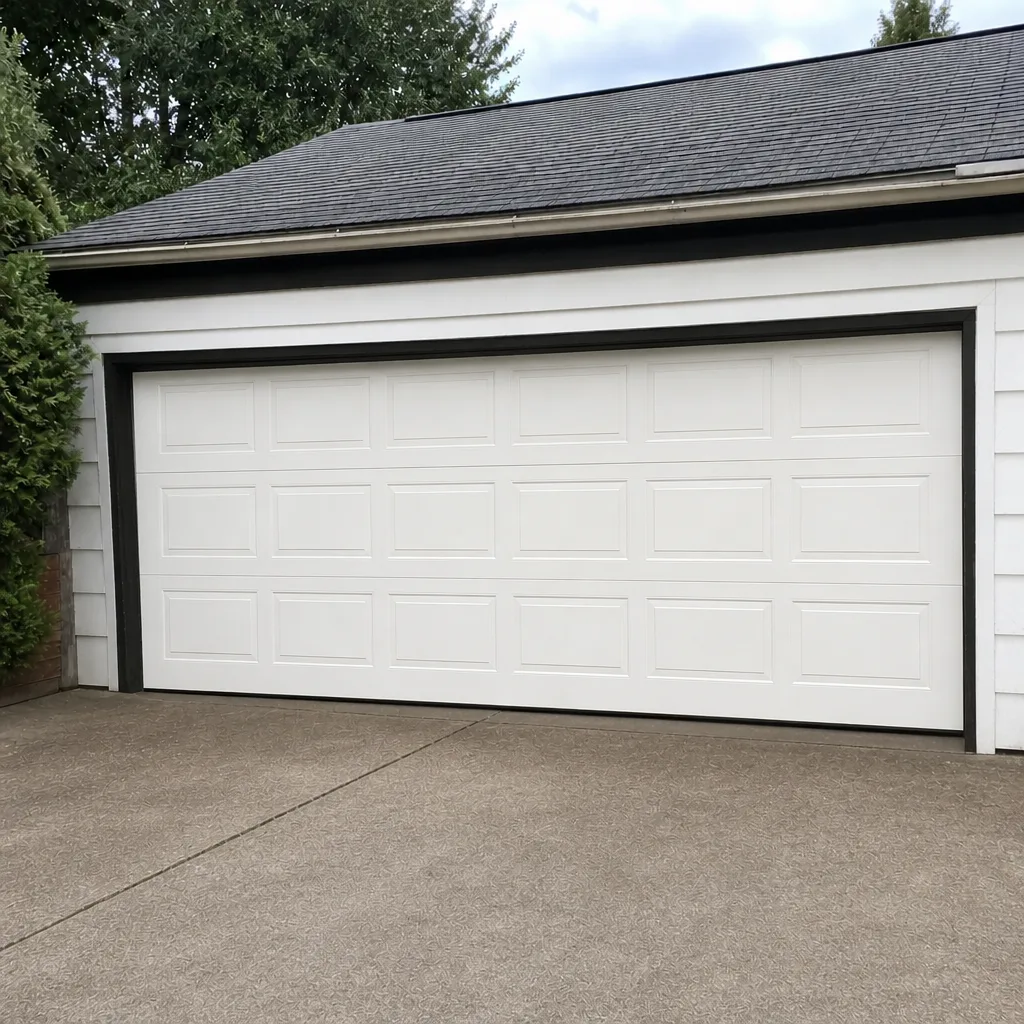
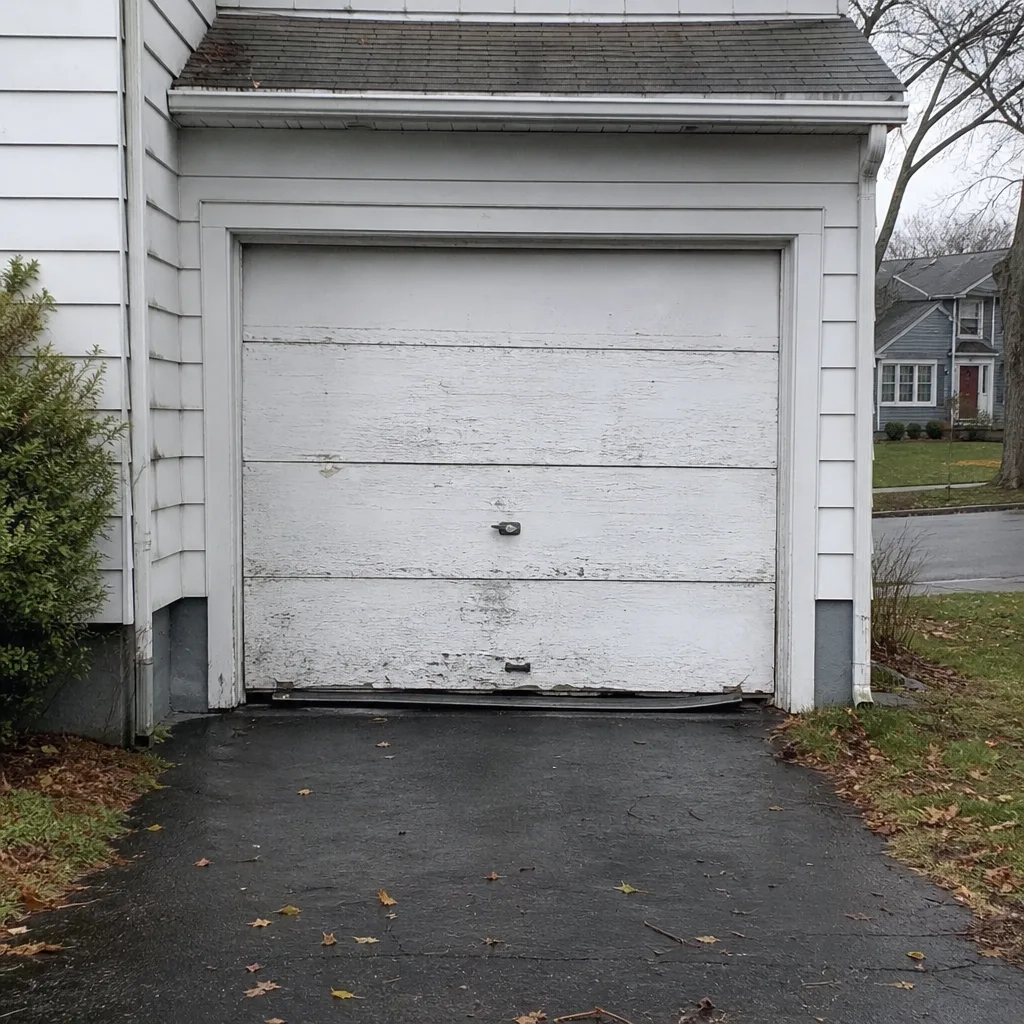
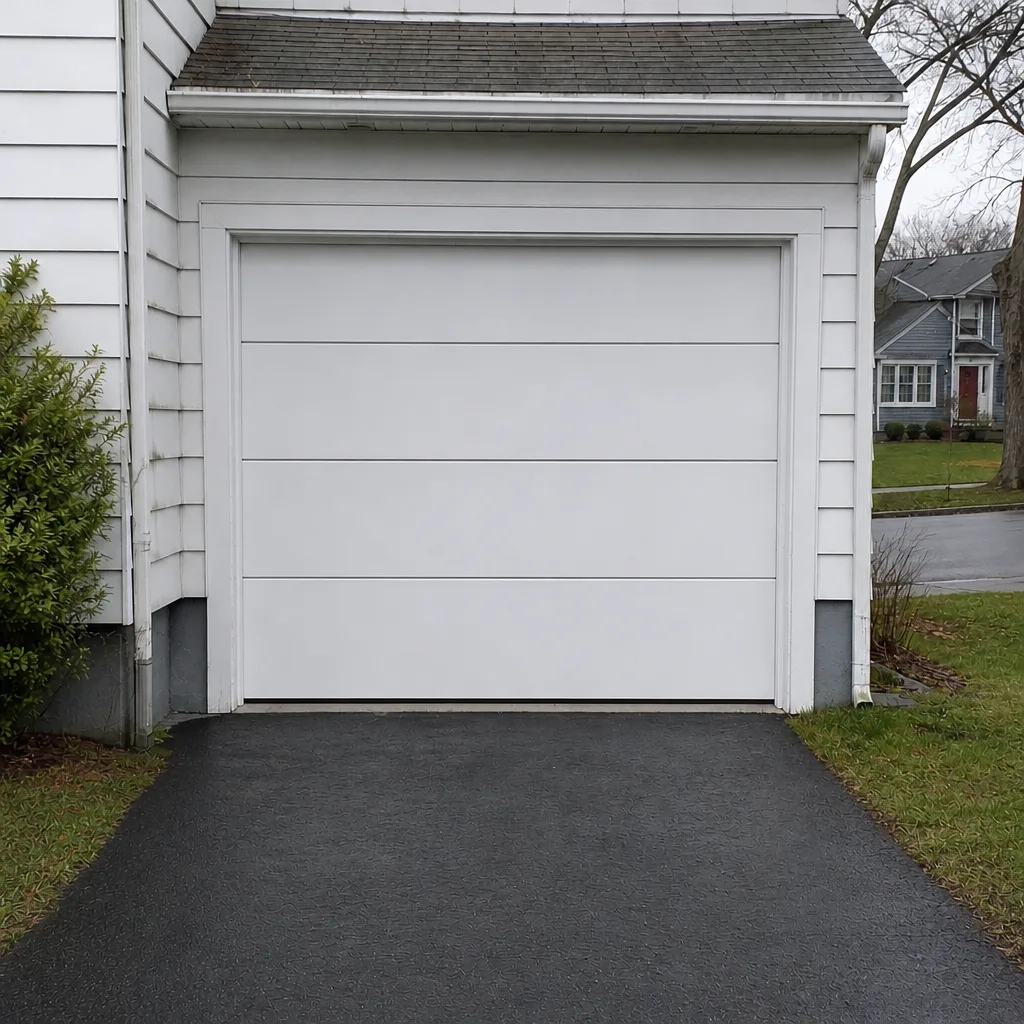
See the difference
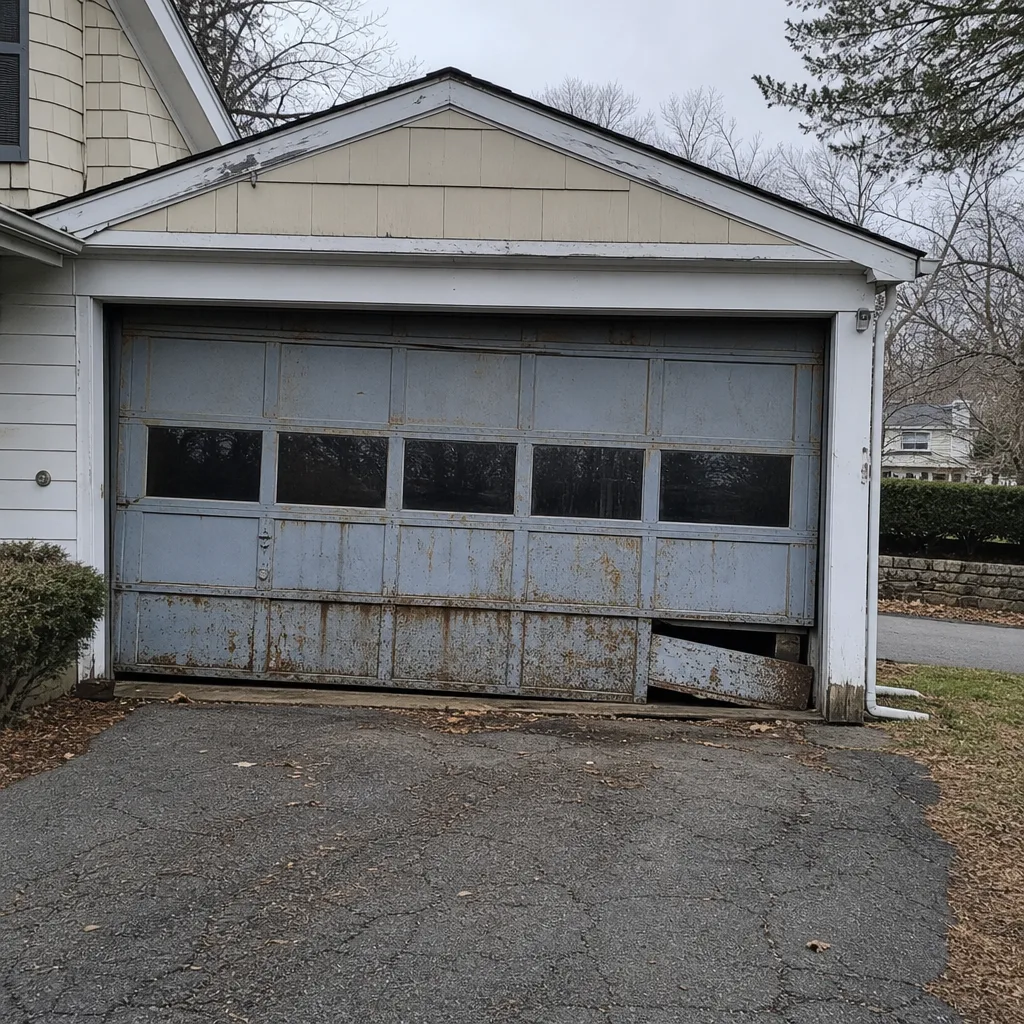 Before
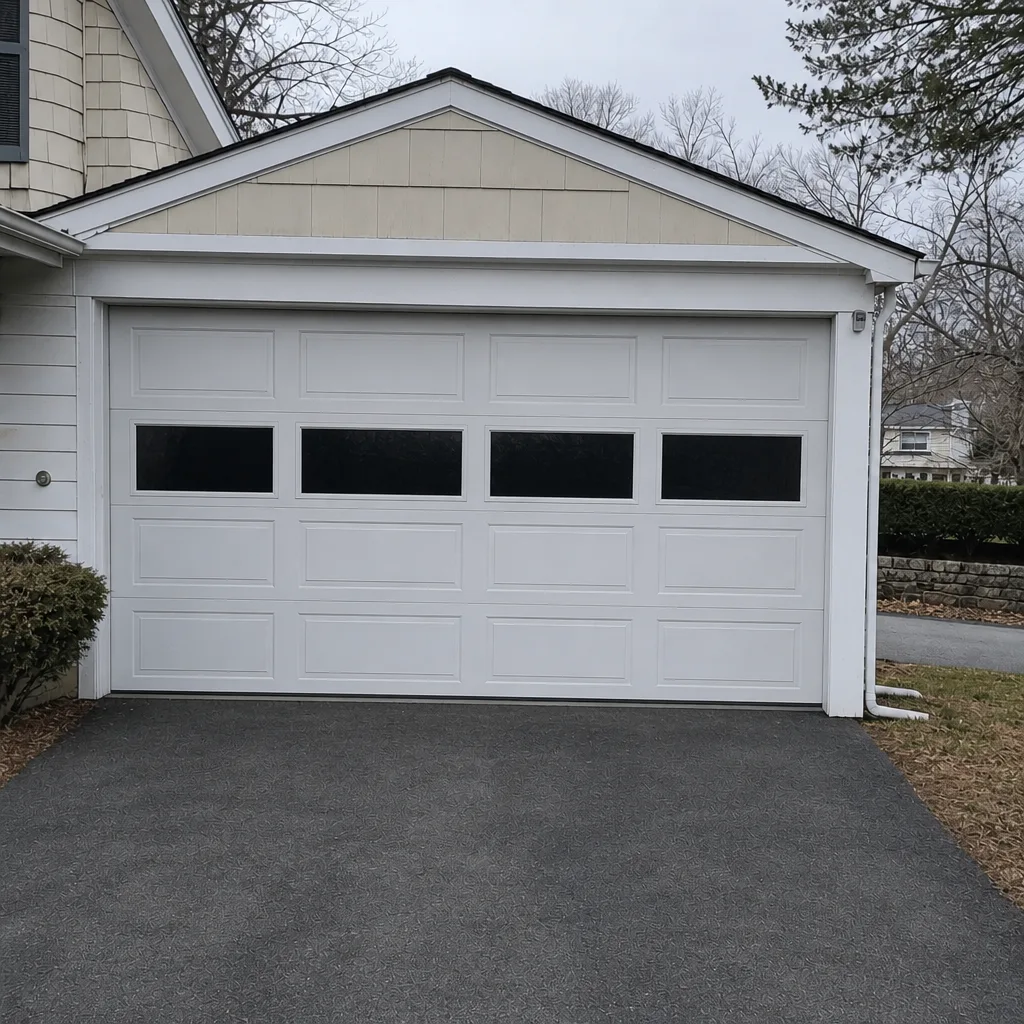 After
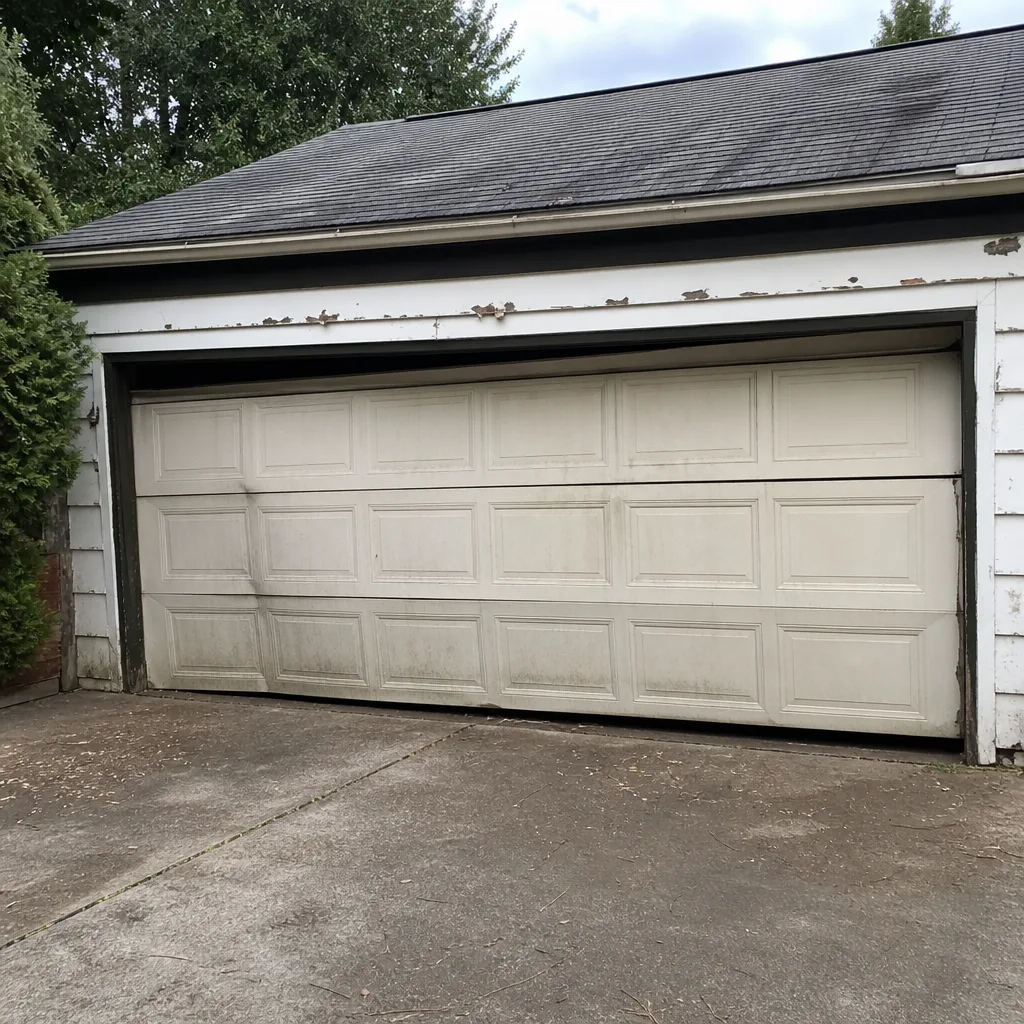 Before
 After
 Before
 After
When to Call a Professional
Some seasonal tasks are fine to handle yourself: lubricating hinges, clearing tracks, checking weatherstripping, testing the safety reverse. Others need a trained eye and the right tools. Call a professional if you notice a spring that looks stretched or uneven, a cable that’s frayed or slack, a door that reverses on its own, a door that feels heavier than it used to, grinding or squealing from the opener, or a threshold seal that’s warped or torn. These are all signs that something needs attention now, not next season. Spring failure is a safety issue, not just an inconvenience, and cables under tension can be dangerous. We work on LiftMaster, Chamberlain, Genie, Clopay, Amarr, Wayne Dalton, Craftsman, and Raynor systems, and our technicians have up to 15 years of experience diagnosing exactly the kind of issues a West Hartford winter creates. West Hartford Garage Door Repair Pros offers free estimates in West Hartford – call (855) 337-1712.
Frequently Asked Questions
Four times a year, once per season, is the right rhythm for a West Hartford door. Fall and spring are the critical windows: fall for preparation before the first freeze, spring for inspection after winter. Summer and winter checks are lighter – lubrication, track cleaning, and watching for heat or salt damage. A door that’s older or has had repairs should get a professional inspection at least once a year on top of your own checks.
Spring is when winter’s damage shows up. Thermal cycling from December through March stresses springs, cables, and rollers in ways that are invisible until the door is under working load. By the time spring arrives, those components have been through months of contraction and expansion. Testing them in spring – and comparing against your notes from fall – is how you catch a failing spring before it breaks. Call (855) 337-1712 for an exact quote on an inspection – estimates are free.
A cold-rated silicone or lithium-based lubricant, not standard petroleum spray. Most petroleum-based sprays thicken below 20°F and can actually slow your rollers rather than protect them. Apply it in fall before the cold sets in, and touch up if the door sounds stiff. Never use WD-40 as a long-term garage door lubricant; it attracts dust and doesn’t hold up.
Run your hand along it with the door closed. Cracks, flattening, gaps at the corners, or daylight visible under the door all mean it’s time. In West Hartford, a worn threshold seal lets meltwater in during winter thaws, and that water refreezes against the bottom panel. Check it every fall, and replace it if it’s more than a couple of seasons old and showing wear.
Yes, and it’s one of the most common causes of spring corrosion in West Hartford. Road treatment gets tracked into garages on tires and boots, and it collects in the bottom roller tracks where it grinds the rollers and holds moisture against the metal. Brush or vacuum the tracks every couple of weeks through winter, and do a full flush-out in early spring with a damp cloth and a thin coat of lubricant.
The local professionals we connect you with are licensed and insured as their state requires, and they work on the major brands – LiftMaster, Chamberlain, Genie, Clopay, Amarr, Wayne Dalton, Craftsman, and Raynor. Our technicians have up to 15 years of experience with these systems. For an exact quote on any seasonal repair, call (855) 337-1712 – estimates are free and the price is quoted and agreed before any work starts.
The Bottom Line
Seasonal garage door care in West Hartford works when you respect the sequence. Fall is preparation: threshold seal, force-limit recalibration, cold-rated lubrication, and fastener tightening before the first hard freeze. Spring is diagnosis: test springs, cables, and rollers under load and see what winter did. Summer is maintenance: watch for warping on older wood composite and vinyl doors, and keep the opener cool. Winter is protection: keep salt and sand out of the bottom tracks and pay attention to how the door behaves on cold mornings. Write it all down. A few notes per season is what turns seasonal care from a guess into a system, and it’s what keeps you out of the emergency-call line. If you’d rather have a professional handle the seasonal checks and repairs, we can help. Call West Hartford Garage Door Repair Pros at (855) 337-1712 for a free estimate, and visit West Hartford Garage Door Repair Pros for the rest of our services.
Written by the team at West Hartford Garage Door Repair Pros.