Last updated November 23, 2026
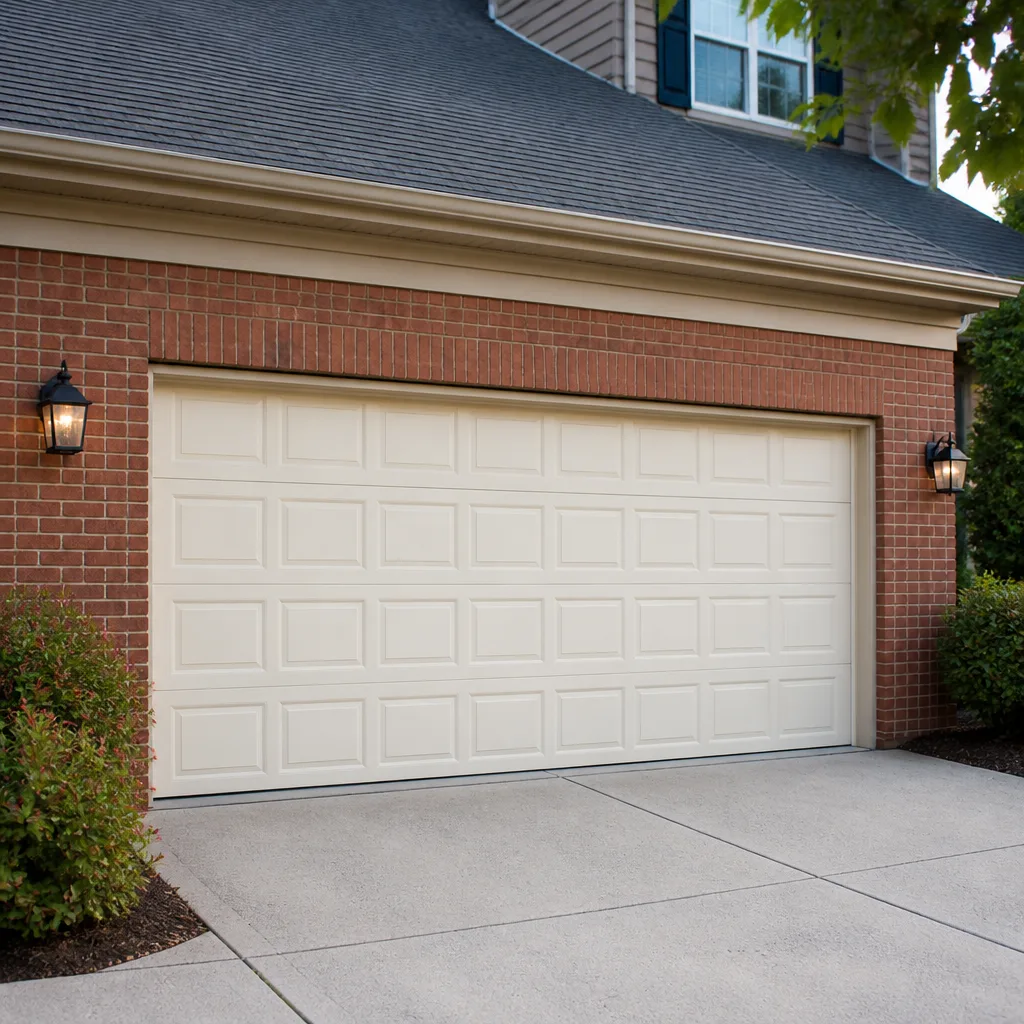 Raised-panel steel
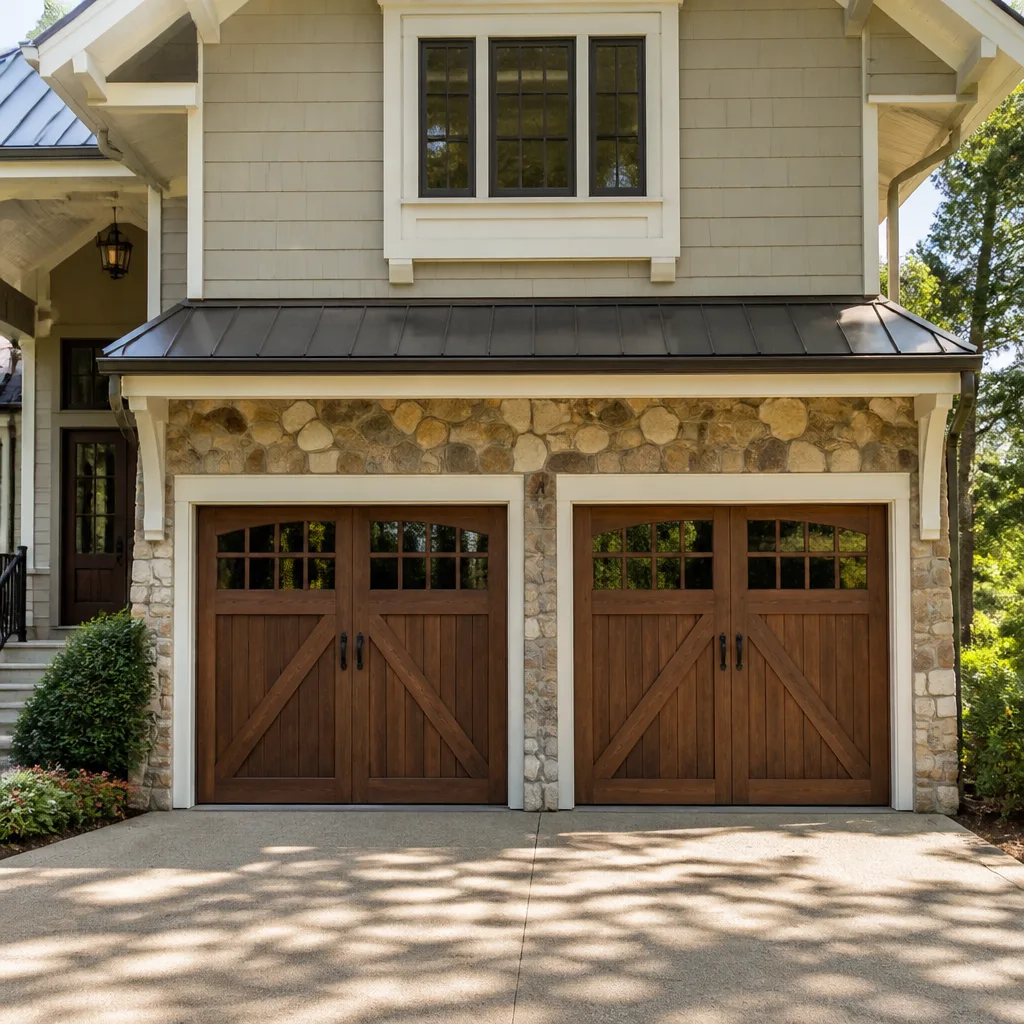 Carriage house
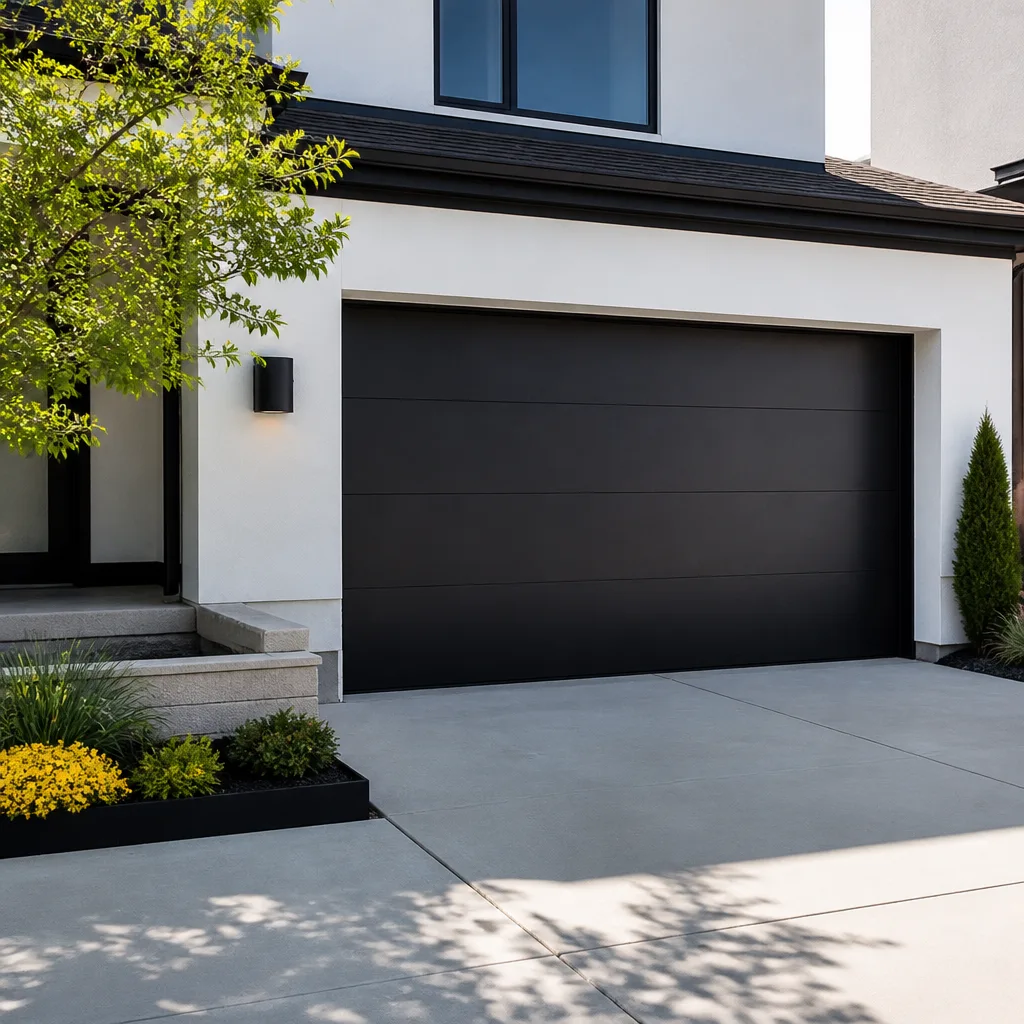 Modern flush
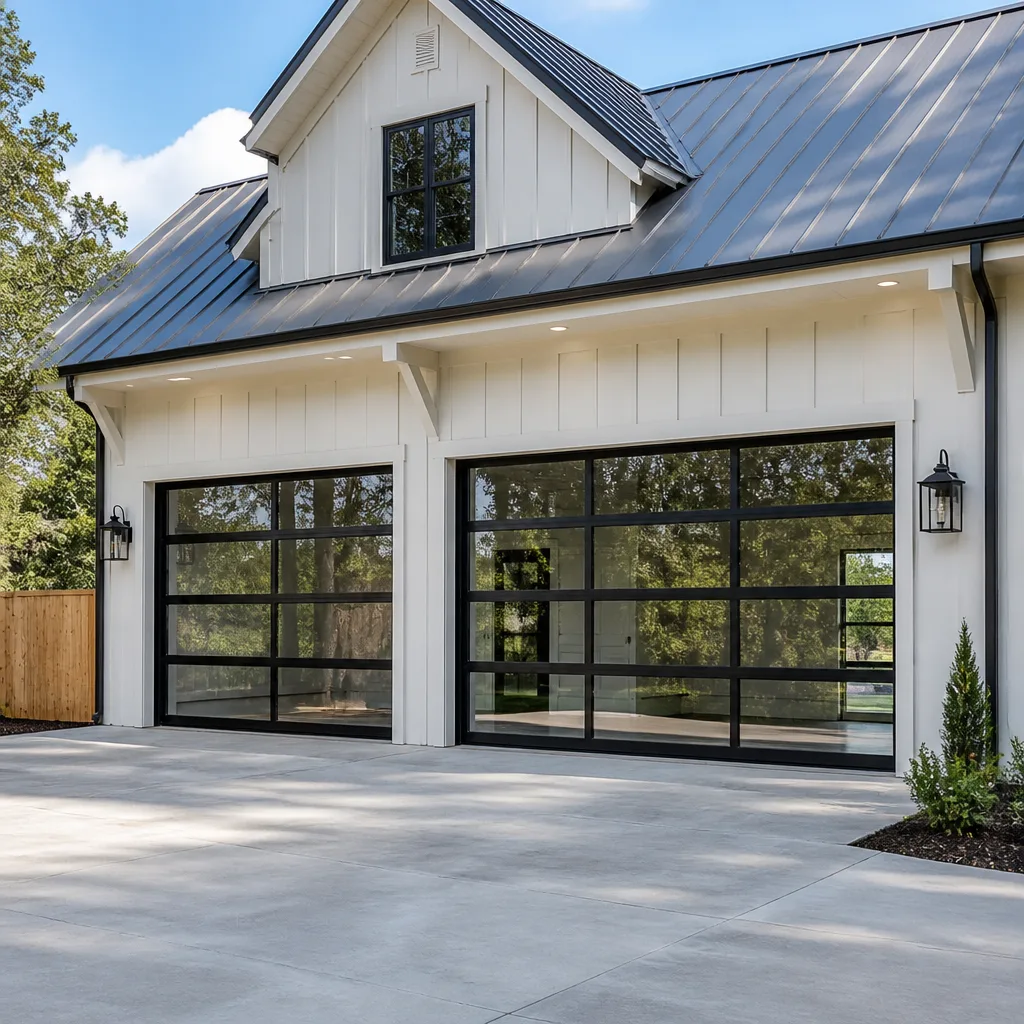 Full-view glass
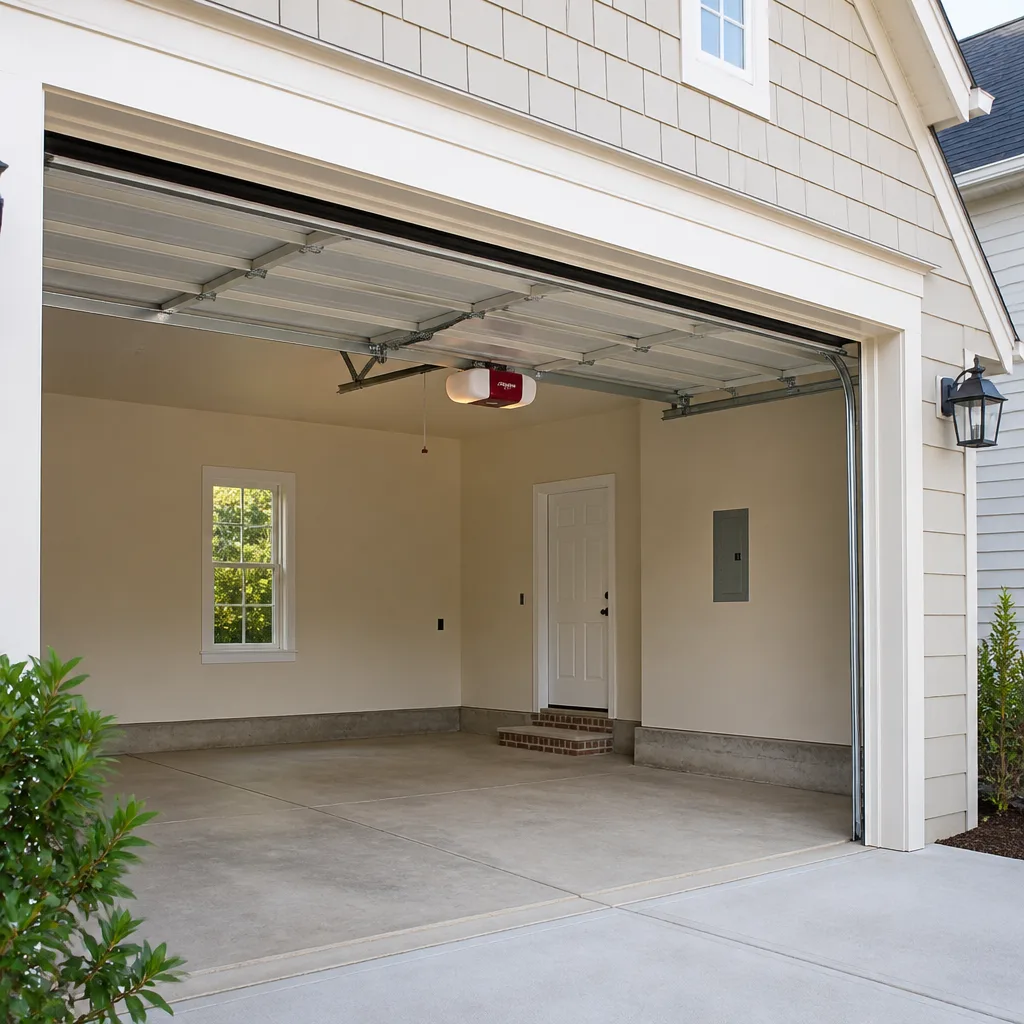 LiftMaster openers
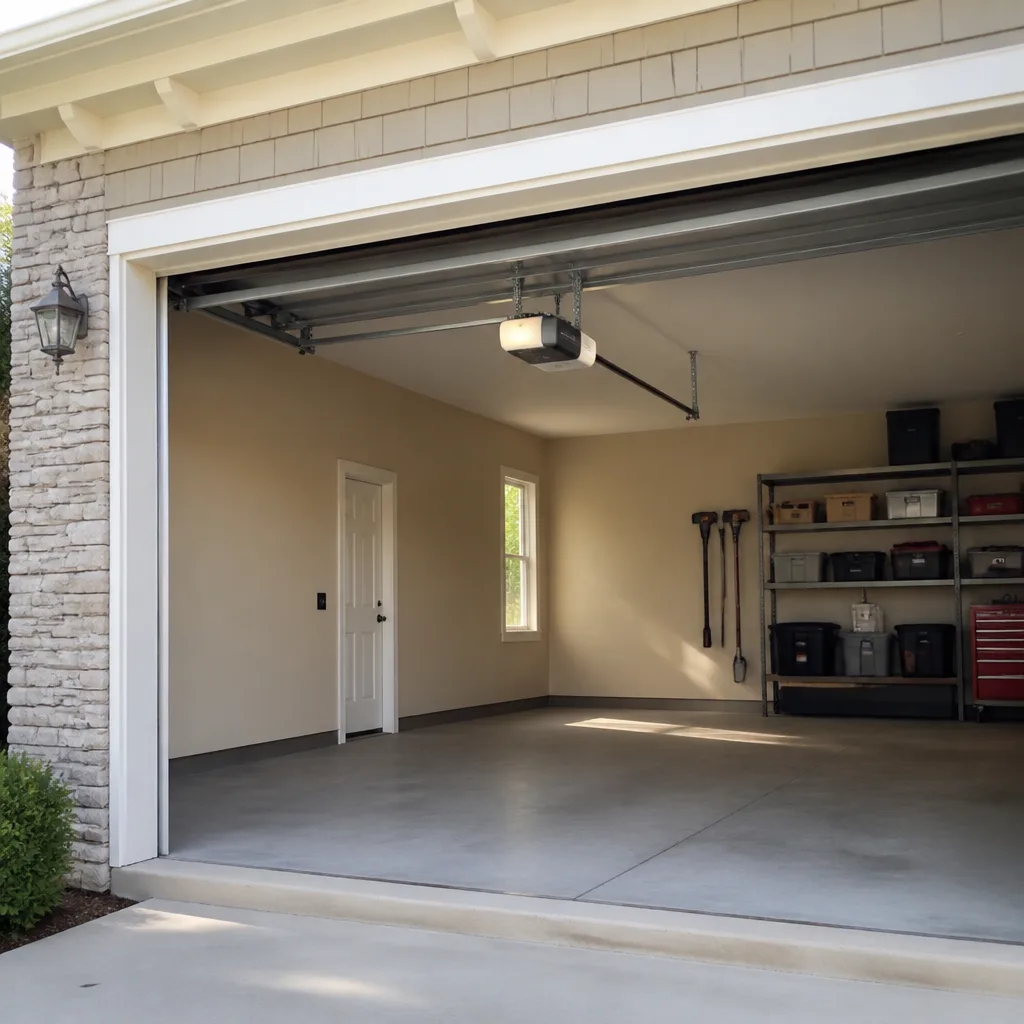 Chamberlain openers
Full 25-point door and opener safety check with every visit - springs, cables, rollers, tracks, and your LiftMaster or Chamberlain opener included
You get a price before we start. It does not change when the pro arrives.
Get your free estimateChoosing the Right Garage Door Brand: A Buyer’s Guide for West Hartford
The most advertised garage door brand in America can be the slowest one to repair in Connecticut. That’s not a knock on the product. It’s a supply chain fact: national marketing reach and local parts depth are two different things, and when a torsion spring snaps or a panel takes a hit, what matters is whether replacement parts for your door are sitting within driving distance or on a truck from out of state. In our experience working on LiftMaster, Chamberlain, Genie, Clopay, Amarr, Wayne Dalton, Craftsman and Raynor systems across West Hartford, the doors that get back to normal fastest are the ones whose owners bought with parts availability in mind. This guide shows you how to choose the same way: material, insulation, exposure and local support, matched to a USDA Hardiness Zone 6a climate that punishes any door built for milder winters.
Quick Answer
The right garage door brand for a West Hartford home is the one whose material and insulation rating fit your garage’s orientation and your house style, and whose wear parts (rollers, springs, panels) can be sourced locally within a day or two. For most homes here, that means a steel or steel-backed insulated door from Clopay, Amarr or Wayne Dalton, chosen for R-value and coating warranty rather than advertising reach. Brand matters, but installation quality and local parts support matter more.
Styles & brands we work with
- Raised-panel steel
- Carriage house
- Modern flush
- Full-view glass
- LiftMaster openers
- Chamberlain openers
Table of Contents
- Why Brand Choice Matters More in West Hartford Than You’d Think
- Side-by-Side: The Brands Most Commonly Installed Around West Hartford
- Insulation R-Value: What a Zone 6a Winter Actually Demands
- Why Door Orientation Changes Your Material and Seal Specs
- Reading a Warranty Like a Technician: Coatings, Springs and Exclusions
- The Parts Availability Test: Verify Local Sourcing in 24-48 Hours
- When Installation Quality Matters More Than the Name on the Door
- How to Tell Whether a Brand Recommendation Is Honest
Why Brand Choice Matters More in West Hartford Than You’d Think
Garage doors in West Hartford live through a full New England temperature swing every year. A door that faces the afternoon sun in July and a sub-freezing north wind in January is doing two different jobs with the same steel skin. The brand you choose sets how thick that skin is, how the sections are insulated, how the factory treats the steel against rust, and whether a replacement panel can be ordered in the exact profile and color five or seven years from now. Those are the criteria that separate a door that ages well from one that looks tired by its fourth winter.
There’s a second reason brand decisions matter here: West Hartford has an older housing stock with a lot of attached garages tucked under bedrooms or behind kitchens, alongside mid-century and newer construction with wider bays. Door dimensions and headroom are all over the map. A brand with a deep catalog of sizes and panel profiles is easier to fit cleanly into those spaces than a brand built around a handful of standard widths.
Finally, and this gets overlooked: brand decides who can service your door. A model with a widespread dealer and parts network can be diagnosed and repaired by any competent technician. A model with a narrow network can leave you waiting on a distributor that isn’t in Connecticut. When you’re choosing a door, you’re also choosing your future repair experience.
- Material and coating determine how the door handles freeze-thaw cycles and road-splash exposure.
- Insulation decides whether the room above or beside the garage stays livable in January.
- Parts depth decides how long you wait when something wears out.
Side-by-Side: The Brands Most Commonly Installed Around West Hartford
These are the four brands whose doors we most often see and install around West Hartford, Bishops Corner, Elmwood, Blue Back Square and the neighborhoods toward West Hartford Center and Fern Street. Each is competent. They simply aim at different buyers.
- Clopay – The broadest residential catalog of the group. Strong selection in insulated steel and steel-backed doors, and a wide range of panel profiles and colors that suit the Colonial and Tudor revival styles common here. Good fit for homeowners who want the door to match the house rather than just cover the opening.
- Amarr – Known for well-built steel doors across a large family of sizes and insulation levels. The size range is the selling point: it fits the irregular garage openings found in older West Hartford homes without custom work.
- Wayne Dalton – A solid option in insulated steel, with a panel design that stands up well to wind pressure and a coating that holds up in mixed climates. Widely serviceable, which helps in a repair.
- CHI – Common in installer channels and worth knowing about as an alternative, though it’s outside the list of brands we’re factory-familiar with, so check service support before you commit.
A note on that last point. We work on the brand already in your garage when it’s one of the eight we’re certified to service. If a dealer is pushing a CHI door and you’re unsure who’ll repair it three winters from now, that’s a fair thing to ask about up front, before the dollar signs harden.
For a door that needs replacement rather than repair, the decision usually comes down to insulation rating and warranty terms, both covered below. For a door with a mechanical failure, the brand conversation matters less than getting the right part. That’s where a call to garage door repair specialists pays for itself.
Insulation R-Value: What a Zone 6a Winter Actually Demands
West Hartford sits in USDA Hardiness Zone 6a. That’s cold enough that an uninsulated single-layer steel door becomes a radiator working against you: it condenses moisture in the garage, it makes the space unusable for anything but parking, and if the garage shares a wall with living space, it drives up heating cost. An insulated door is close to a requirement here rather than a luxury.
R-value tells you how well the door resists heat loss. Higher is better, but the number is only meaningful when you know what’s behind it. Three-layer construction (steel skin, insulated core, steel back) holds its rating and stays rigid. A single layer with a thin insulated backing board is lighter and cheaper and performs far worse. For a door between a heated room and the outside, go with a three-layer insulated panel and aim high on R-value rather than accepting the entry-level number.
One thing insulation guides online often skip: the assembly matters as much as the panel. Weatherstripping along the bottom, between sections, and around the perimeter, plus a properly insulated threshold, controls drafts and shut out the meltwater that seeps under a poorly sealed door and refreezes overnight. A high-R door hung with thin seals leaks anyway. Insulation and sealing are a package.
- Decide whether anything conditioned shares a wall or floor with the garage. If yes, choose a three-layer insulated door.
- Compare R-values only between doors of the same construction type. A single-layer door with an R-value claim isn’t a fair comparison to a sandwich panel.
- Ask what the seal and threshold package includes; the perimeter matters as much as the panel.
Why Door Orientation Changes Your Material and Seal Specs
Two doors on the same street can need different specs depending on which way they face. Orientation drives the sun and wind load your door experiences through a West Hartford year, and a good installer specs the surface and seals to match.
- North-facing doors get less drying sun and sit in more consistent cold and moisture. They’re more exposed to condensation and freeze-up at the bottom seal, so a coating with solid corrosion resistance and a robust bottom weatherseal matter most here.
- East-facing doors catch the morning sun and then cool through the day, which can cycle condensation on the surface. A quality factory finish and good ventilation around the frame help.
- South- and west-facing doors take the most direct sun and heat. Dark colors absorb more and stress the finish over time, so a lighter color and a coating rated for UV exposure are worth the upgrade.
It’s tempting to treat a garage door as a fixed product you just pick a color for. The sun angle and the prevailing cold wind is what actually ages it. In our experience, the doors that look best after several Connecticut winters were matched to their orientation from the start, not chosen off a showroom display. Tell your installer which way the door faces and let that drive the finish and seal decisions. If you’re not sure how to phrase it, this is exactly the kind of question to ask when you call us at (855) 337-1712 for a free estimate.
Reading a Warranty Like a Technician: Coatings, Springs and Exclusions
A garage door warranty is a legal document written by the manufacturer’s lawyers, not a promise of free repairs. Two doors with similar warranty lengths can cover very different things. Read the exclusions before you buy, because the exclusions are what you’ll meet at claim time.
Steel coating warranties are where most of the real risk sits. A “lifetime” paint or finish warranty usually covers the factory finish only under certain conditions: no damage from salt, chemicals or road splash, no scraping or scuffing, proper maintenance. Rust through the panel often has to be “from the inside out” to count. Road salt tracked onto a door can void a coating claim, which matters in a region that salts roads through the winter. Keep the door clean and know what the terms actually say.
Springs are a wear item and are almost never covered forever. Many manufacturer warranties cover torsion springs for a limited period, not the life of the door. Springs fail from normal fatigue, and in cold climates they’ve simply worked through their cycles faster. Confirm the spring warranty period and know that a spring replacement is an ongoing cost of ownership, not a defect.
Labor and installation are usually separate. The manufacturer’s warranty covers parts. The labor to install a replacement part typically falls to whoever performs the work, and may carry its own separate terms. Always ask: is labor covered, for how long, and who pays the service call if a part fails in year two? That’s the number most buyers never ask about until it’s too late.
If a door is out of warranty and the fix is a spring, don’t put it off. That repair is a safety job, covered in more detail on our garage door spring repair page, and it’s one we handle every week.
The Parts Availability Test: Verify Local Sourcing in 24-48 Hours
Here’s the test that separates a well-chosen brand from the prettiest one on the block. Before you commit to a door, ask a simple question: if a roller wears out or a panel needs replacing, can the part be sourced and in hand within 24 to 48 hours? A brand whose replacement parts have local distributor depth passes. A brand that has to ship from a national warehouse several states away often doesn’t. That gap is the difference between a door back in service tomorrow and a door out of commission for weeks.
You don’t need a trade license to run this test. Ask it while you’re still deciding.
- Ask the seller for the nearest authorized parts source for that brand and that specific model. If the answer is a national catalog, note it.
- Request a lead time on a common wear item – a replacement roller or a torsion spring – and see if the answer is concrete or hand-wavy.
- Ask about panel matching. Panels get discontinued. Ask whether the specific panel profile and color on the door you’re buying is likely to stay in production and catalogued for replacement years down the line.
- Call a local service company and ask them to source a part for that brand. A technician who works on your brand regularly will tell you quickly whether sourcing is easy or a hassle. We answer that kind of question all the time.
That third point is easy to overlook. Even a good brand eventually retires a color or a panel profile, and a homeowner who needs one matching panel after a fender bender has a hard problem if the door is a discontinued model. The door with active, current production and local stock is the one you want.
When Installation Quality Matters More Than the Name on the Door
You can buy a premium door and end up with a door that binds, rubs its seals, or sags in a year, because the door is only as good as the installation. Deck screws into a framing member that wasn’t blocked out for the load, a door hung out of level, a spring set with the wrong number of turns: any of these can turn a good panel into a bad door. The brand gets the credit or the blame, but the install decides the outcome.
The install is where a lot of the job’s craft lives. That includes checking headroom and side clearance, confirming the framing can carry the door’s weight, leveling and plumbing the track, setting spring tension safely and verifying the balance and opener travel before anyone leaves. It’s also the point to catch problems that predate the new door, such as a warped frame or a cracked spring bracket, and deal with them while the door is off.
From a West Hartford standpoint, that means choosing the installer with care. A door from Clopay or Amarr set by someone who takes the time to check your framing and seal the perimeter will outlast a fancier door installed with less care. Ask how the install will be handled: who measures, what tolerances are checked, and how the finished door is tested before handoff. If you want to know what a proper repair and install scope looks like, browse the pages at West Hartford Garage Door Repair Pros.
How to Tell Whether a Brand Recommendation Is Honest
Brand recommendations can be genuinely helpful or quietly self-serving. The difference shows up in the questions the person asks you, not in the salesmanship. A contractor recommending a door because it’s the right fit asks about your garage size, orientation, insulation needs and what’s above the garage. One recommending what they happen to stock and push asks you almost nothing and steers you to a single name.
- Do they offer a brand menu, or only one? A contractor familiar with the mainstream brands can offer reasons for choosing among them. If every job ends at the same door regardless of your needs, ask why.
- Do they discuss parts availability without you bringing it up? An honest contractor will raise how the door gets serviced, not just how it looks.
- Do they tell you when a repair makes more sense than a replacement? When the right answer is a repair, that’s what you should hear. Ask directly: repair or replace, and what makes that call for your specific door?
- Is the quote itemized? A written estimate that separates door, hardware, opener and labor is easier to judge than one lump sum.
We’re a multi-brand repair and install shop rather than a single-brand dealer, so our bias is toward answering honestly rather than moving one product. If your opener is part of the equation, the brand of the motor matters too, which is why we keep an eye on the specific opener model before recommending anything. You can learn how that plays out at our garage door opener repair page.
Common Mistakes to Avoid
- Choosing by advertisement instead of parts depth. The most heavily advertised brand isn’t automatically the easiest to service in Connecticut. Check the local parts supply before the warranty.
- Buying an uninsulated door for a conditioned garage. In Zone 6a, a single-layer steel door makes an attached garage unusable through winter and can raise heating costs. Insulate.
- Comparing R-values across different door constructions. A single-layer door and a three-layer panel aren’t comparable just because both list an R-value.
- Ignoring orientation when picking a finish. A dark south-facing door will bake; a poorly sealed north-facing door will freeze up at the bottom seal. Match specs to exposure.
- Reading only the warranty length, never the exclusions. Coatings and springs carry the important limits. Read what voids them before you buy.
- Buying a door whose panel profile could disappear. Ask whether that specific panel and color will stay in production and catalogued for years, not just whether the brand is well known.
- Blaming the brand for an install problem. A premium door hung out of level by an installer who skipped the checks will still sag. Judge the installer as carefully as the door.
See the difference
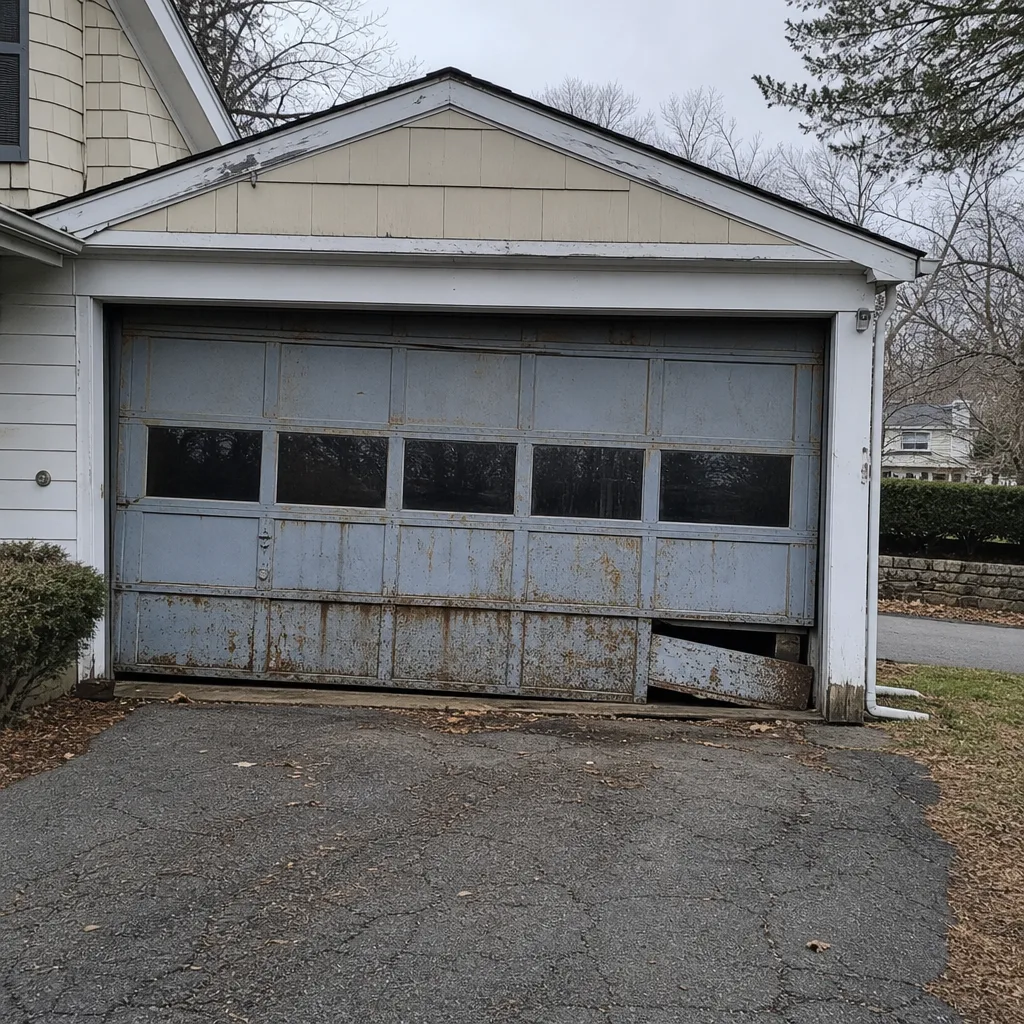 Before
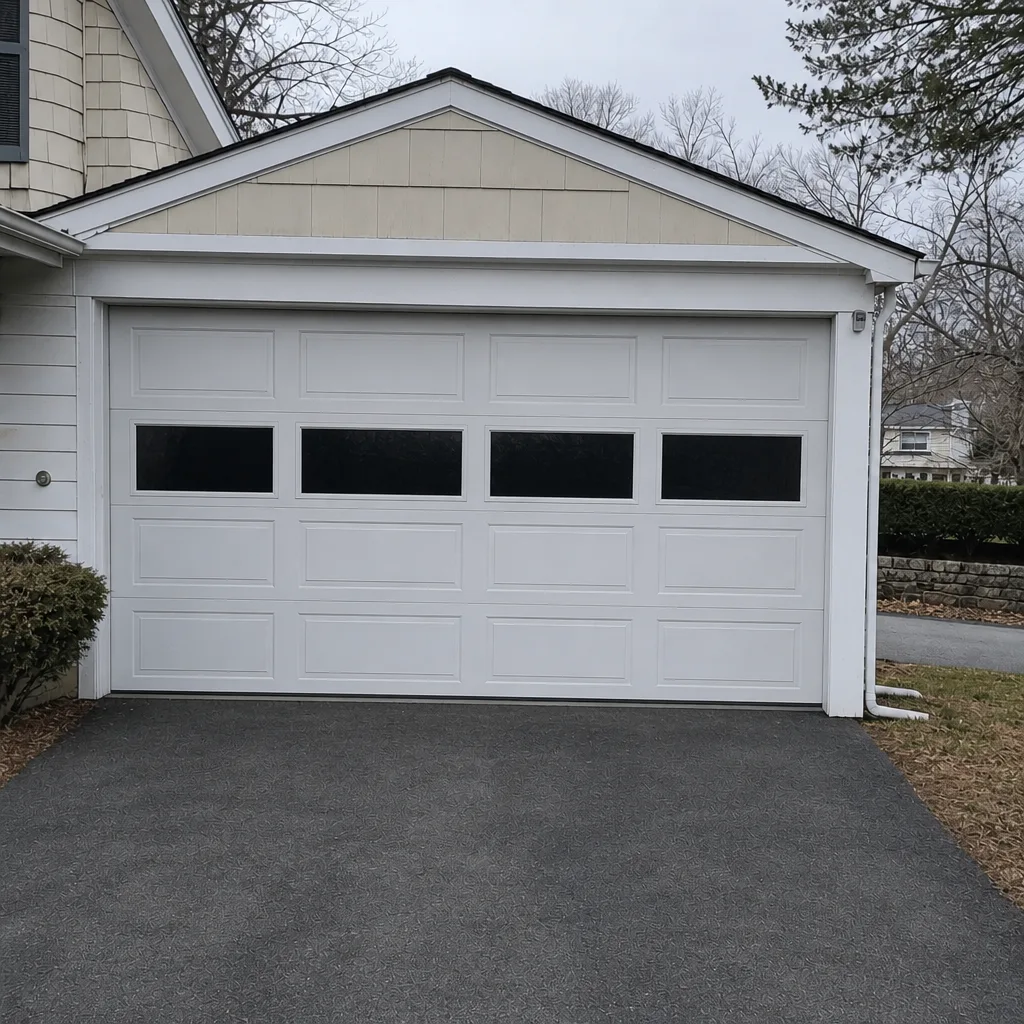 After
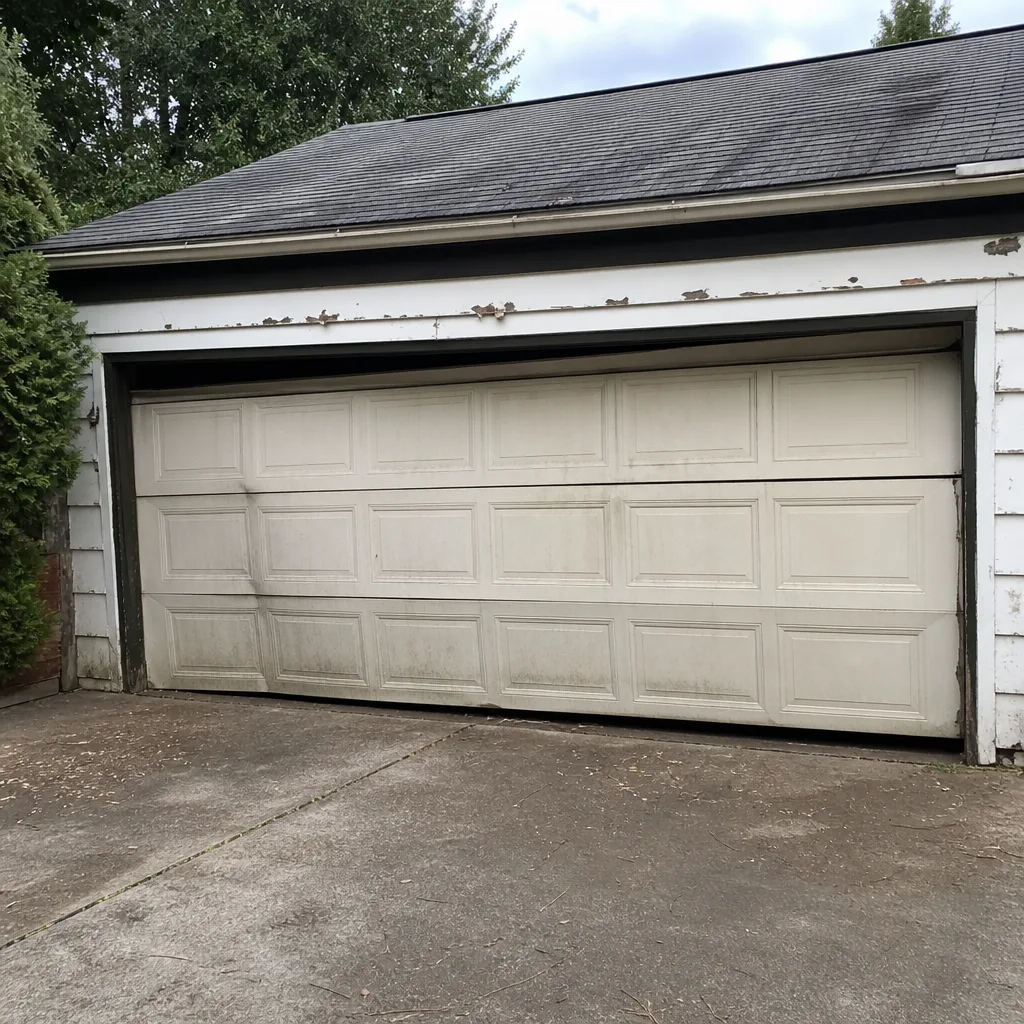 Before
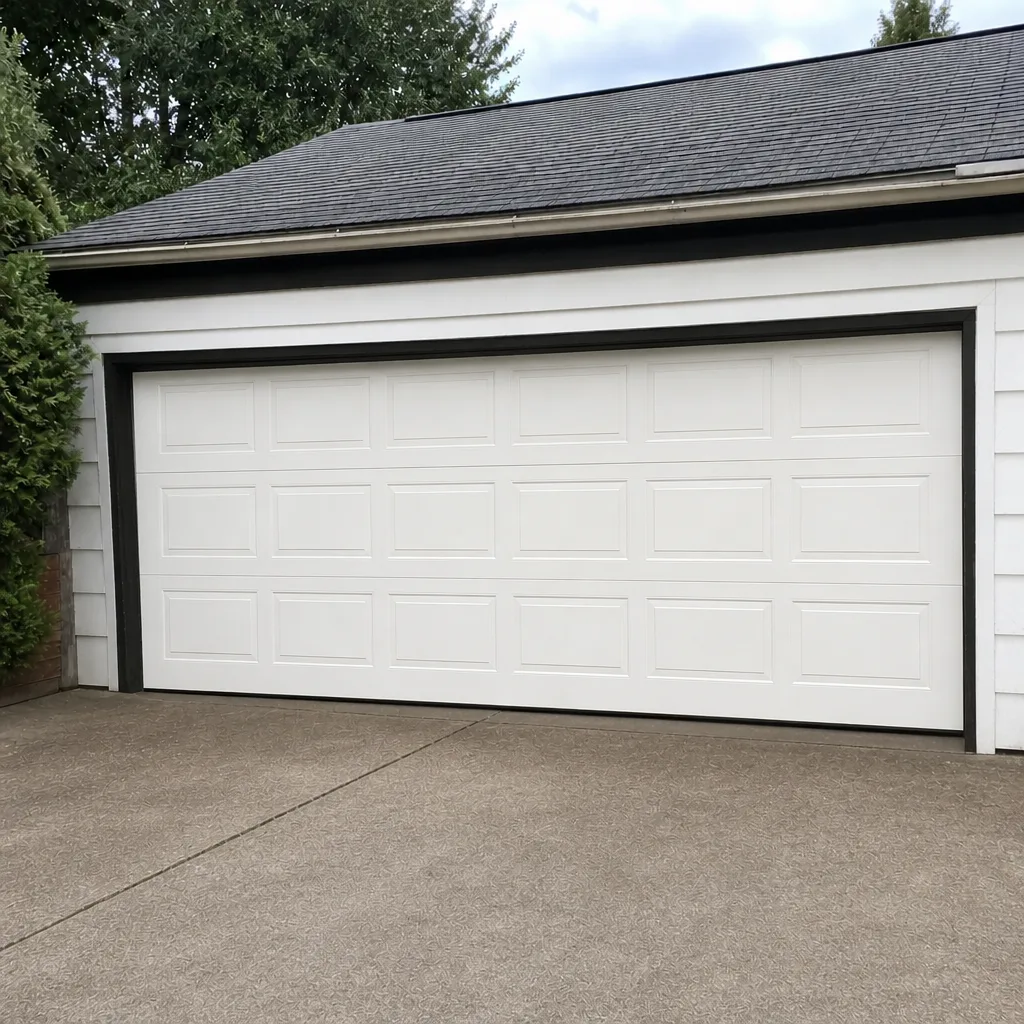 After
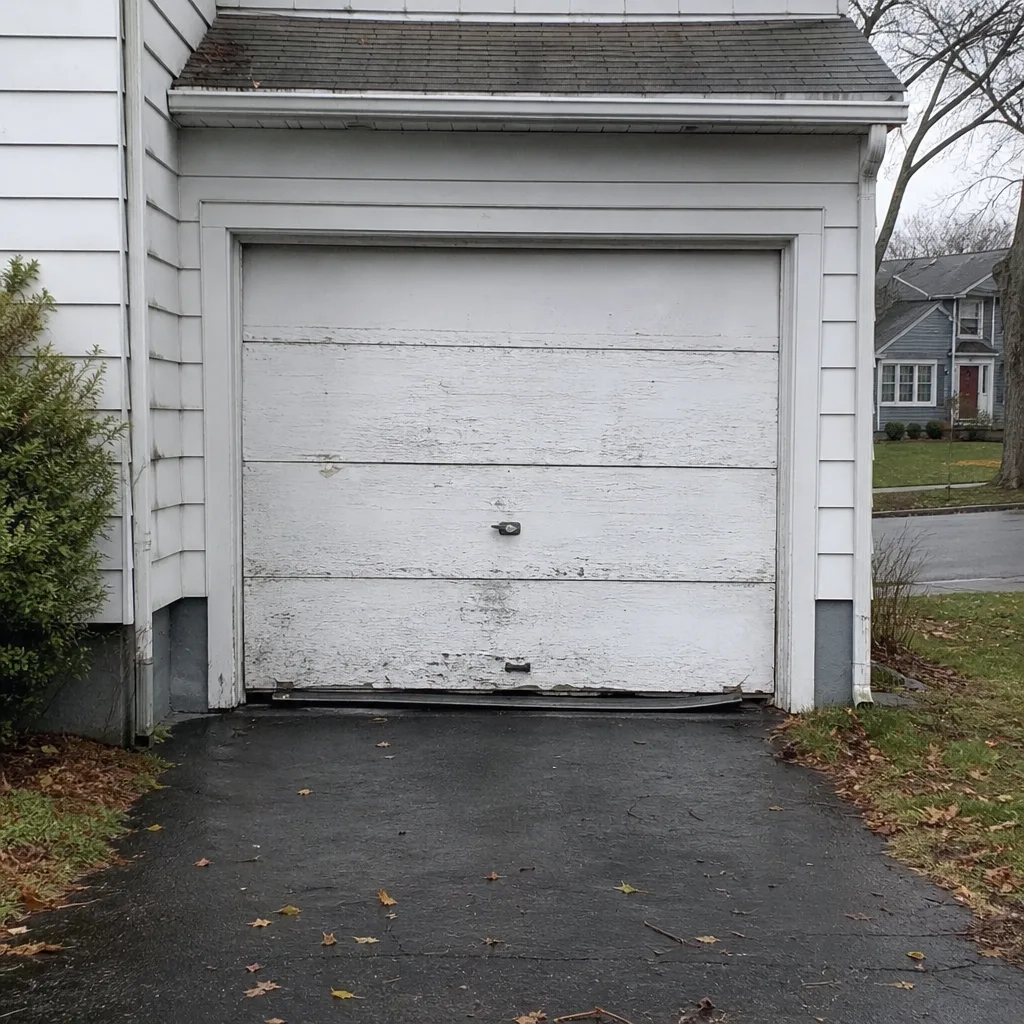 Before
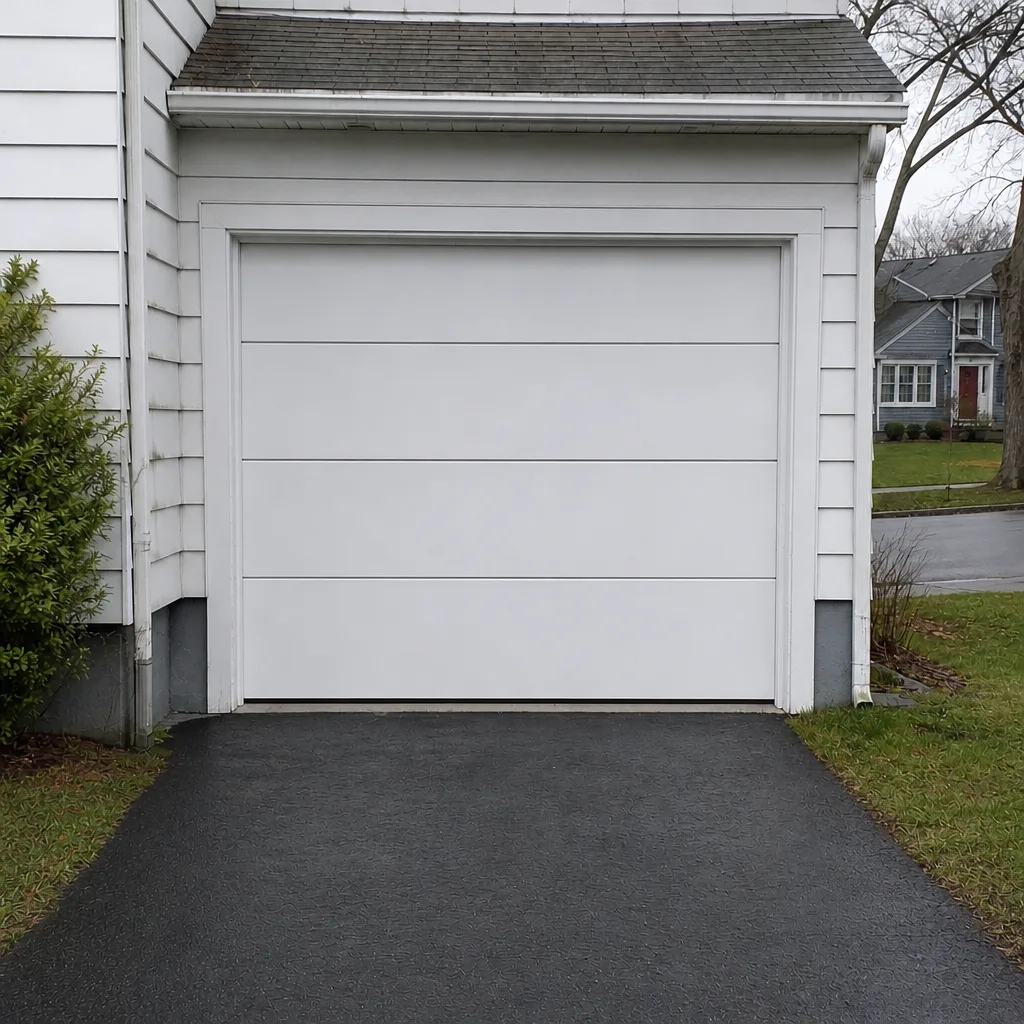 After
When to Call a Professional
Some of these decisions are ones a homeowner can make alone, and some need a trained eye. Call a professional before you buy if you don’t know your garage dimensions, headroom, or what’s above the garage; if you aren’t sure how your door faces relative to the weather; or if you want a straight answer on whether the existing door is worth repairing or should be replaced. Call sooner, not later, if the door is jammed, the spring has failed, the opener is running but the door isn’t moving, or the door won’t close and you need it secured. A torsion spring under tension and a door that’s off its track are both genuinely dangerous to work around, so keep everyone clear and let a technician handle it. West Hartford Garage Door Repair Pros offers free estimates in West Hartford and works on the brand already in your garage. Call (855) 337-1712.
Frequently Asked Questions
There’s no single best brand, but for most West Hartford homes a well-insulated steel door from Clopay, Amarr or Wayne Dalton fits the Zone 6a winters and the housing stock. The deciding factors are insulation construction, coating warranty and local parts availability more than the name on the door. A written estimate lays out the tradeoffs so the choice is clear.
Installation quality matters more than brand when the doors are close in quality. A good door installed poorly will bind, sag or leak, while a competent install makes a mid-range door perform reliably. Pick a brand that fits your needs, then pick an installer whose process you trust. Call (855) 337-1712 for a free estimate.
Ask the seller where the nearest authorized parts source is, request a lead time on a roller or spring, and ask a local service company whether that brand is easy to source. If the answer involves a shipment from several states away, treat that as a warning. We can answer that for the eight brands we’re certified to service.
For a garage attached to conditioned living space, choose a three-layer insulated door and aim for a high R-value rather than the entry-level number. The exact figure matters less than the construction type, and the seals and threshold around the door matter as much as the panel. Ask for the construction details in writing before you buy.
Yes. North- and east-facing doors face more cold and condensation, so corrosion-resistant coatings and a robust bottom seal are worth prioritizing, while south- and west-facing doors take more direct sun and do better with lighter colors and UV-rated finishes. Tell your installer which way the door faces and let that guide the finish and seal choices.
Usually a repair. Springs are a wear item, and most manufacturer warranties cover them for a limited period rather than the life of the door, so a cold-weather spring failure is an everyday cost of ownership. A snapped spring is a safety issue, not just an inconvenience, so don’t handle it yourself. Call (855) 337-1712 and we’ll quote it in writing.
The Bottom Line
Choosing a garage door brand in West Hartford is a matching job, not a popularity contest. Match the material and insulation to a Zone 6a winter and to how your garage faces. Read the coating and spring exclusions in the warranty before you sign. Run the parts test to confirm replacement parts can be sourced within a day or two. Then let installation quality decide the rest. When those pieces line up, the name on the door is doing its real job. West Hartford Garage Door Repair Pros offers free estimates, mechanics for the brand already in your garage, and honest repair-or-replace advice. Call (855) 337-1712 for a free estimate, and confirm upfront that the written quote is agreed before any work starts.
Written by the team at West Hartford Garage Door Repair Pros.