Last updated November 23, 2026
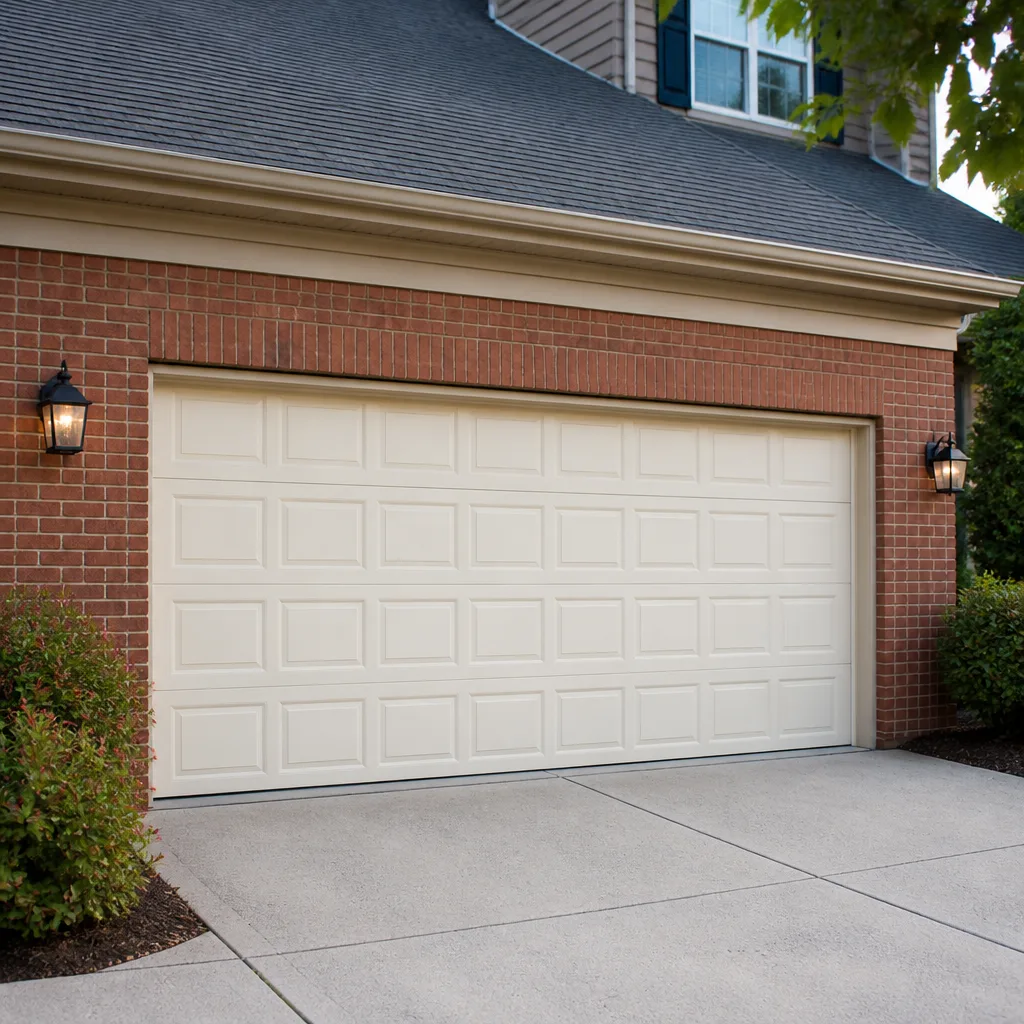 Raised-panel steel
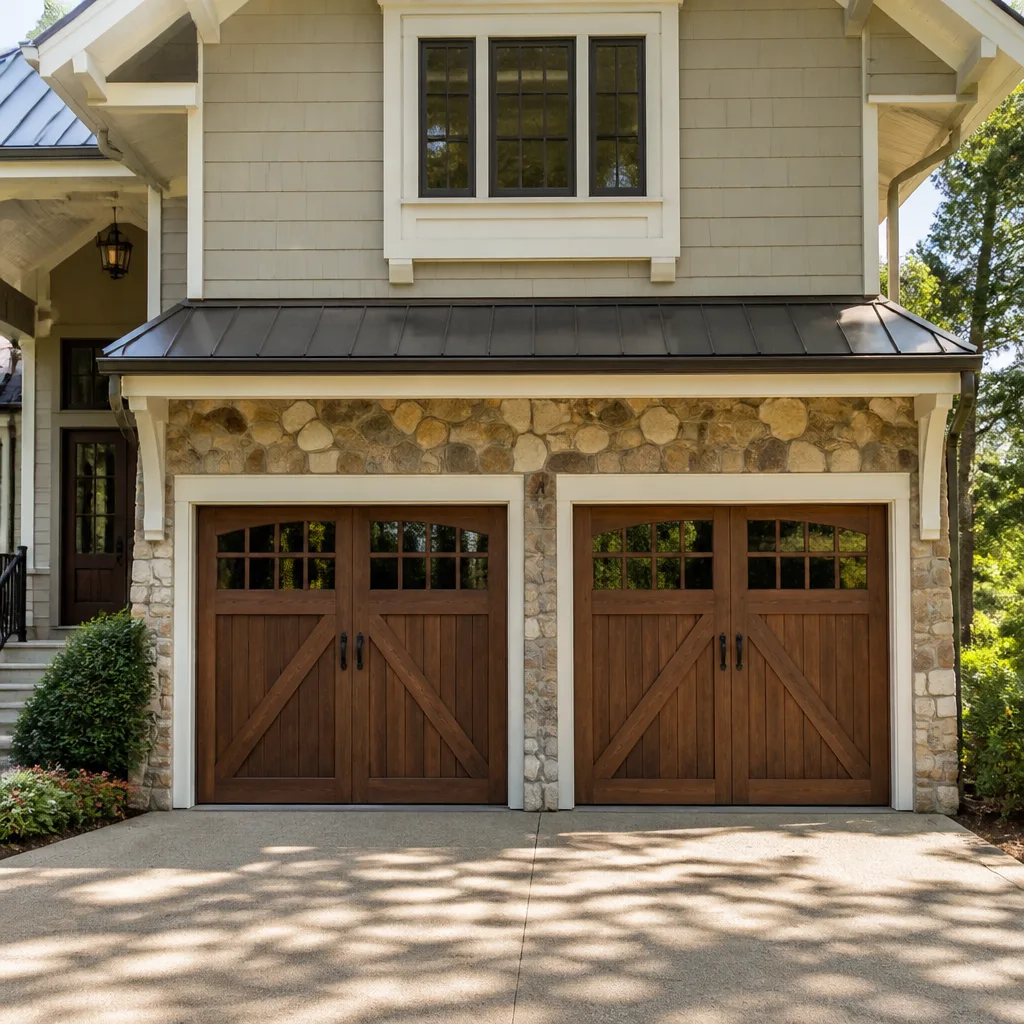 Carriage house
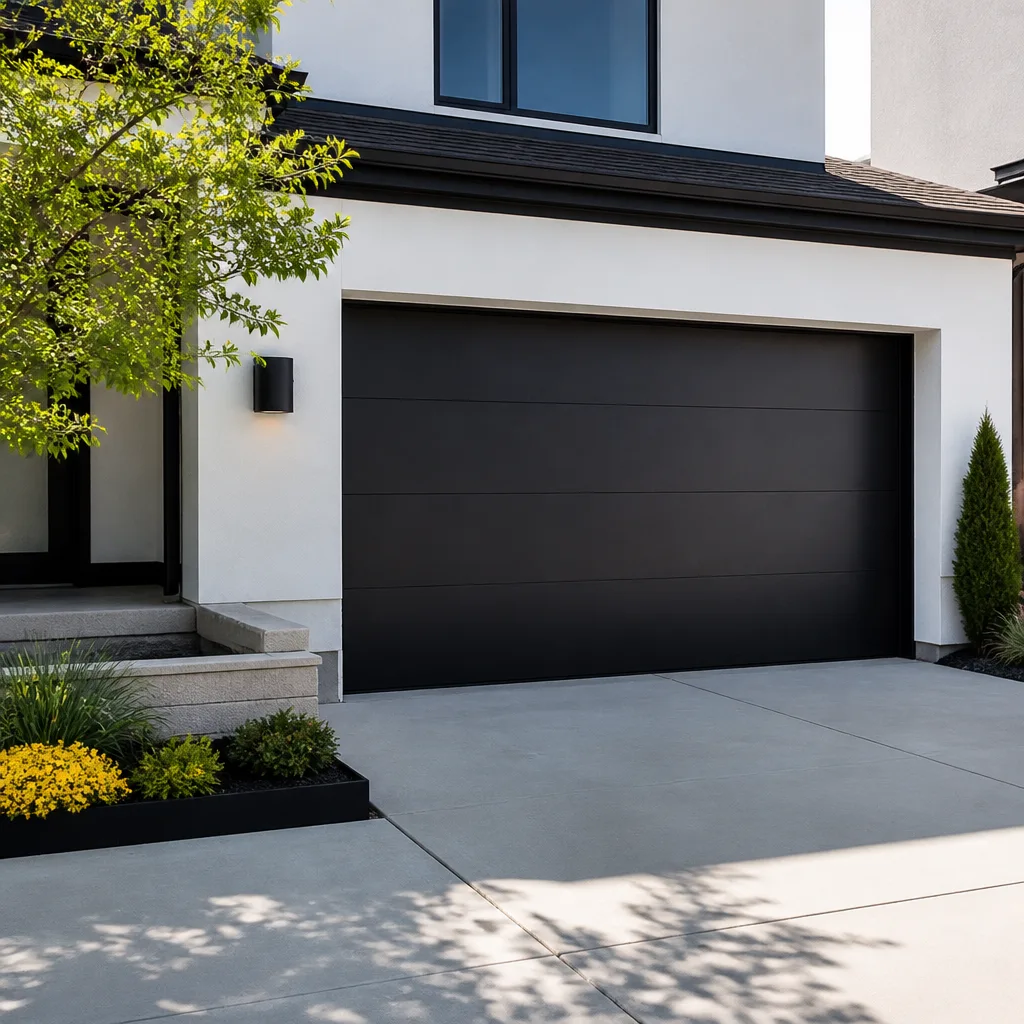 Modern flush
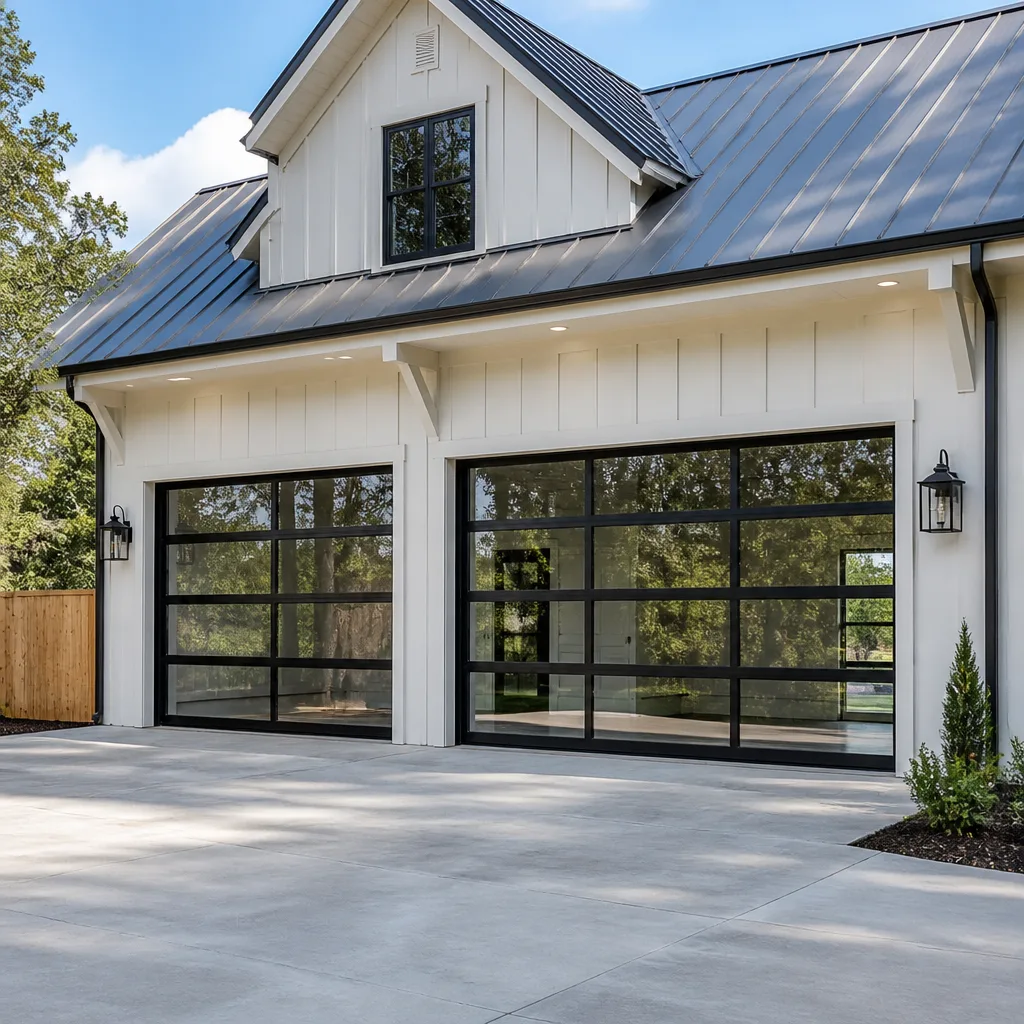 Full-view glass
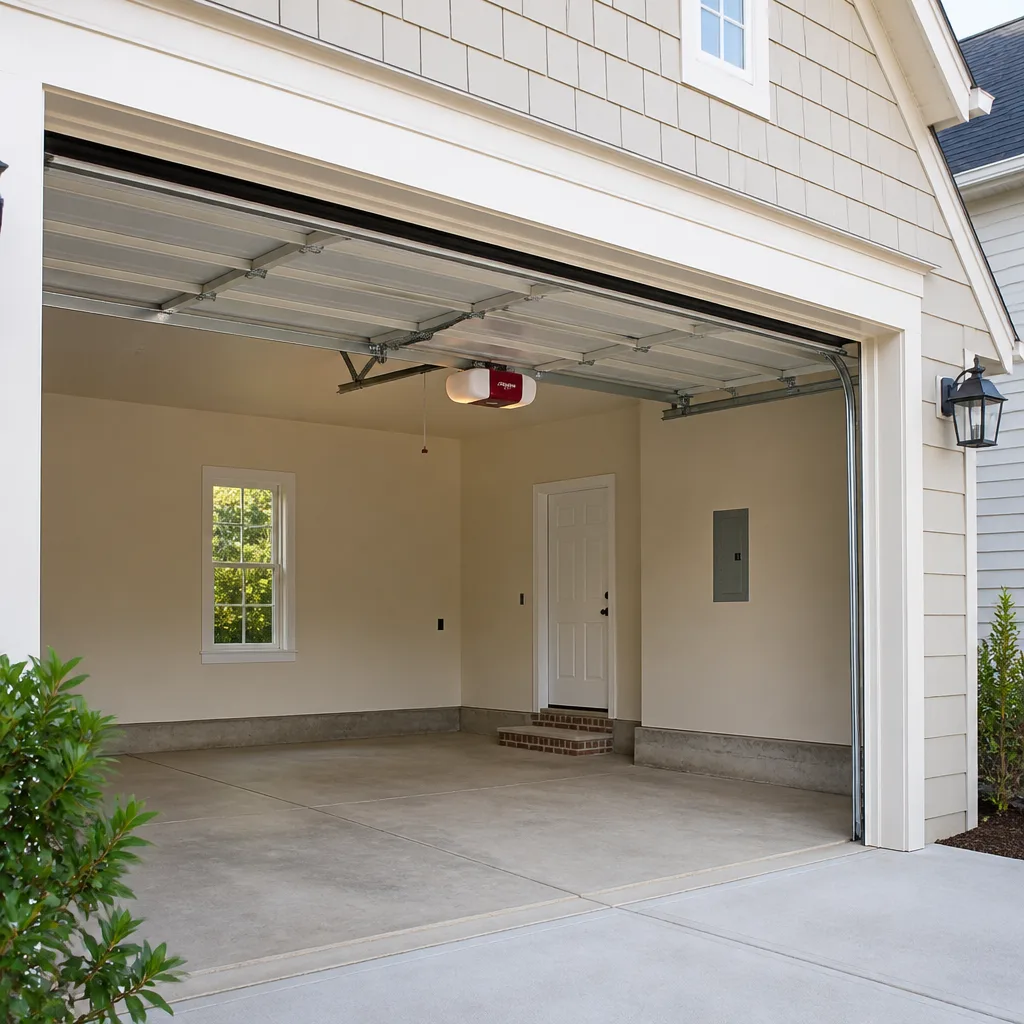 LiftMaster openers
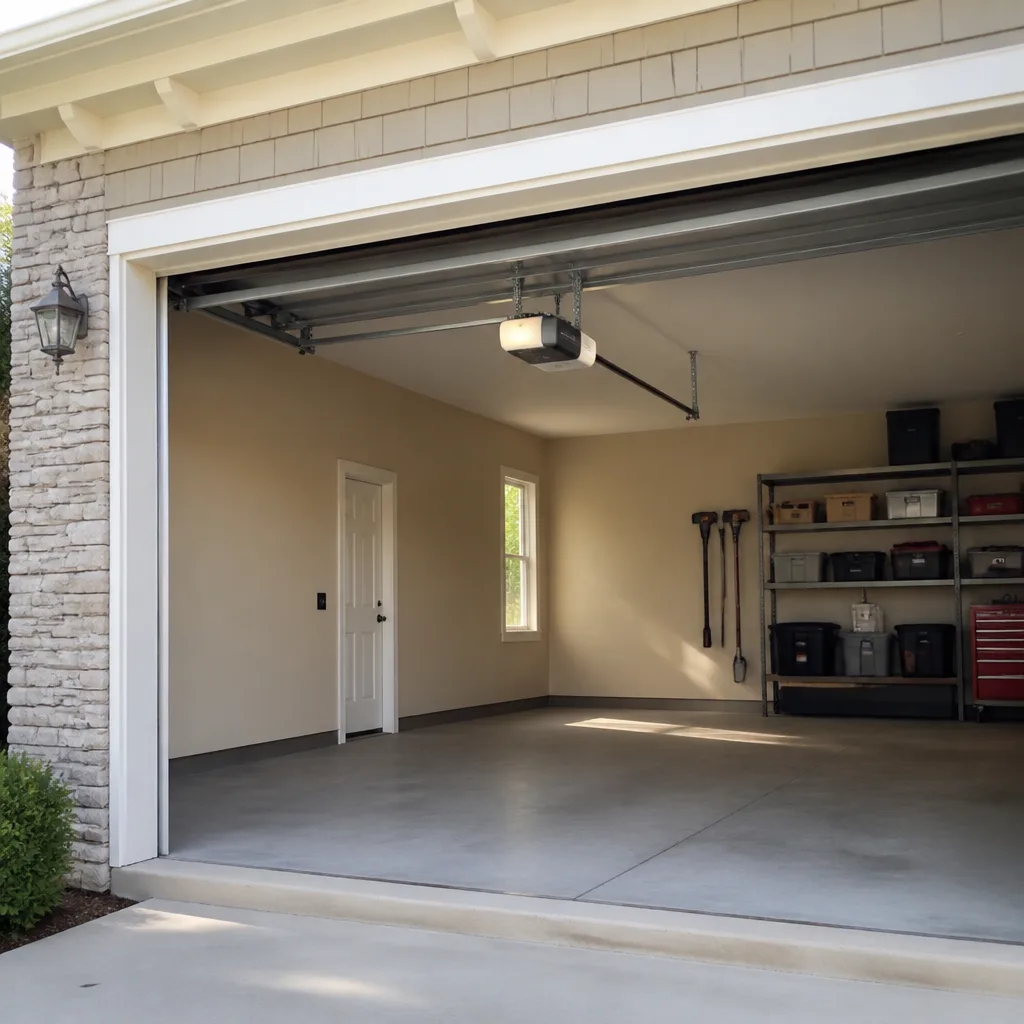 Chamberlain openers
Full 25-point door and opener safety check with every visit - springs, cables, rollers, tracks, and your LiftMaster or Chamberlain opener included
You get a price before we start. It does not change when the pro arrives.
Get your free estimateGarage Door Repair Troubleshooting in West Hartford: Common Problems and How to Fix Them
Most garage door problems get misdiagnosed before anyone even touches a tool. A door that reverses before it reaches the floor usually isn’t broken, and a door that suddenly feels heavy probably isn’t an opener problem at all. Homeowners in West Hartford tend to chase the symptom, the noise, the slowness, the refusal to close, and end up paying to replace a part that was never failing. The real fix starts with reading the whole mechanical system: springs, cables, tracks, rollers, sensors, and the opener that ties them together. This guide maps the symptoms you’re seeing to the actual root cause, tells you which jobs are safe to handle yourself and which are genuinely dangerous, and shows you what to have ready so a technician in West Hartford can quote your repair fast instead of guessing.
Quick Answer
Most garage door failures in West Hartford trace back to one of four things: a worn torsion or extension spring, a frayed or off-track cable, misaligned safety sensors, or a limit setting on the opener. Sensor and limit problems are usually safe to check yourself, while springs and cables under tension are not. The fastest way to get the right repair is to note what the door does, when it does it, and what brand and model the opener is before you call.
Styles & brands we work with
- Raised-panel steel
- Carriage house
- Modern flush
- Full-view glass
- LiftMaster openers
- Chamberlain openers
Table of Contents
- The Symptom-to-Cause Diagnostic Tree
- Springs, Cables, or Opener: How to Tell What Actually Failed
- Sensors and Limit Settings: The Problems You Can Fix Yourself
- How Connecticut Weather Affects Garage Doors
- What’s Safe to Tackle Yourself and What Isn’t
- Common Misdiagnoses That Cost You Money
- What to Document Before You Call
- Repair or Replace: How to Decide
The Symptom-to-Cause Diagnostic Tree
Start with what the door actually does, not what you think is broken. The behavior narrows the cause faster than any parts list, and it works the same whether your opener is a LiftMaster, a Chamberlain, a Genie, or an older Craftsman unit. Here’s the map we work from when a call comes in from West Hartford.
- Door won’t move at all, no sound from the opener. Check the wall outlet and the breaker first, then the safety sensors. If the opener has power but stays silent, suspect a burned-out capacitor or a logic board fault inside the unit.
- Opener hums but the door doesn’t move. The motor is running but the drive isn’t engaging. That usually points to a stripped gear in the opener, a broken spring, or a snapped cable freeing the door’s weight.
- Door goes up a few inches, then stops or reverses. This is nearly always a travel limit setting or an obstruction the sensors are detecting. Rarely it’s a binding track.
- Door reverses just before it hits the floor. Almost always the safety sensors: dirty lenses, a misaimed beam, or something in the light path. Not a broken door.
- Door is loud, jerky, or slow. Worn rollers, dry hinges, a loose track, or a torsion spring that’s lost tension.
- Door sags on one side or looks crooked. A broken spring on one side of an extension setup, or a cable that’s off its drum.
- Door closes partway, then goes back up. Travel limit or a binding track near the bottom of the run.
The pattern matters more than any single entry. When two or three symptoms show up together, like a humming opener plus a sagging door, they usually point to the same underlying cause rather than two separate failures.
Springs, Cables, or Opener: How to Tell What Actually Failed
Homeowners blame the opener more than any other part. In practice, the opener often just stops working when the door’s weight becomes too much for it after a spring or cable failure. Before you replace anything, identify which system is actually at fault.
Check the springs
- Torsion springs sit on a horizontal shaft above the door. Look for a visible gap in the coil, which means the spring has snapped. A snapped torsion spring usually makes a loud bang when it goes.
- Extension springs run alongside the tracks. Look for stretched coils, a gap at either end, or a dangling safety cable.
- A door that has suddenly become very heavy to lift by hand (with the opener disconnected) is a strong sign of a spring failure, not an opener failure.
Check the cables
Cables run from the bottom bracket up to the drum on each side of a torsion door. A frayed, kinked, or slack cable, or one that’s come off the drum, means the door’s weight is no longer supported evenly. If you see a broken cable, stop using the door. This is a genuinely dangerous failure, and the energy stored in a torqued door with a failed cable can be brutal. Don’t stand under it and don’t try to see how far it will open.
Check the opener
If springs and cables look intact and the door can be lifted smoothly by hand, the opener is the likely culprit. A dead wall button, a burned-out capacitor, a stripped drive gear, or a failing logic board all present as “opener stopped working.” On Chamberlain and Genie units, we can usually identify the failing part from the model number and the specific symptom, which is why knowing the model matters. Fixing the symptom before the cause, or the cause before the symptom, is how misdiagnoses start.
Sensors and Limit Settings: The Problems You Can Fix Yourself
Not every failure needs a technician. Two of the most common garage door complaints in West Hartford, doors that reverse prematurely and doors that stop short, are usually sensor or limit issues, and they’re safe to check on your own.
Safety sensors
Two small lenses sit near the floor on either side of the door. The sending unit beams a light across to the receiving unit. If the beam is blocked or the lenses are dirty, the door won’t close. Here’s what to check:
- Wipe both lenses with a clean, dry cloth. Dust and spider webs are the usual culprits.
- Check that the receiving unit’s indicator light is steady. A blinking or dark light means the beam isn’t reaching the receiver.
- Look for anything in the beam path, including a sagging door edge, a bent bracket, or a stray object.
- Confirm both sensors are aimed at each other. A bumped bracket can nudge one out of line.
Limit and force settings
If the door closes then reverses before touching the floor, or opens partway and stops, the limit travel or force setting on the opener is likely misconfigured. Both are adjustable per the opener’s manual, which is worth finding for your specific model before you start. On a LiftMaster or Chamberlain unit, the settings are usually behind a panel or on the back of the motor housing with labeled up and down buttons. Ease into it: most owner’s manuals give exact adjustment steps for your model, and small increments are easier to dial in than big jumps. Never override the force setting to get a binding door to close. If the door needs more force to move, the tracks or springs are binding, and raising the force is masking the real problem.
How Connecticut Weather Affects Garage Doors
West Hartford’s climate does its own kind of damage over time. A garage door is one of the few moving parts of a house exposed to every seasonal swing in the Hartford area, and that shows up in specific, predictable repairs.
Freeze-thaw cycles and the tracks
Connecticut winters push water into the small gaps and joints around the tracks, and overnight freezes expand it. Over a few seasons, freeze-thaw movement slightly warps or shifts track alignment. That shows up as a door that binds at one point, runs louder, or scrapes the frame. The fix is usually a track realignment rather than a new opener or new rollers, but it’s easy to misread as a mechanical failure when the weather warms up and the door suddenly runs smoother.
Humidity and wooden frames
Summers in West Hartford run humid. Wooden garage door frames absorb that moisture and swell, then dry out and shrink as fall arrives. The result is a door that shuts fine one week and sticks on the frame the next. Loosening the frame or adjusting the stop molding usually resolves it, but if the door is also binding inside the tracks, the cause may be track alignment, not the frame. Knowing which is which saves the trip.
What this means for your troubleshooting
- If a problem appeared during a cold snap, suspect track shift or a stiff roller before the opener.
- If a problem appeared in a wet spring, check the frame and the sensor lenses for moisture or dirt.
- If a door has been fine for years and suddenly binds at exactly the same spot every time, track alignment is the first thing to check. Freeze-thaw is the usual cause around here.
If you’re still doing broad troubleshooting across a full range of door failures in the area, our guide to garage door repair walks through the same checks from the standpoint of a technician arriving on site, and it’s worth reading if you’ve already ruled out the sensor and limit issues above.
What’s Safe to Tackle Yourself and What Isn’t
The dividing line for do-it-yourself garage door work isn’t your confidence level. It’s stored energy. Anything holding the door’s weight against gravity stores force that can move fast and cause real injury, and that line runs right through the middle of the components on your door.
Generally safe to check yourself
- Dirty or misaimed safety sensors, cleaned and realigned by hand
- Wall button and remote not working when the door moves by hand
- Track debris and obstructions, swept clean with the door fully open and the opener disconnected
- Worn or squeaky rollers, which you can inspect and lubricate
- Lift test with the opener disconnected, to gauge whether the door feels heavy
- Adjusting travel and force settings according to your opener’s manual
Stop and call a technician
- Broken springs, torsion or extension. The door’s stored energy has nowhere to go when a spring fails, and the shaft can spin violently during a replacement. This is a job for trained hands and proper winding bars, full stop.
- Frayed, snapped, or off-drum cables. Cables are under tension and can whip if they slip. Don’t try to reseat one yourself.
- Bent, cracked, or visibly warped tracks. Trying to bend a track back into shape with the door still on it can drop the door.
- Anything on the opener’s wiring or a capacitor. Capacitors hold a charge even after the power is off. Treat the inside of the opener housing as an electrician’s job.
- A door that sags on one side. Something structural has failed, and the safest next step is a professional assessment.
We’d rather you call for a look than try to force a door that’s telling you it’s dangerous. The worst outcome isn’t a door that won’t close. It’s a door that collapses while someone’s standing under it, and that’s a real risk when the springs are involved. If a spring is your issue, our garage door spring repair page covers what replacement involves, why a matched pair is usually the right call, and how to spot the failure before you touch anything.
Common Misdiagnoses That Cost You Money
We’ve seen the same handful of wrong conclusions repeated by homeowners and, occasionally, by general handymen. Each one tends to trigger a replacement part you don’t need and still leaves the door broken, which is the worst possible outcome.
The most common ones
- “My opener motor is dead, so I need a new opener.” A humming or silent opener with a heavy door usually means a broken spring or cable the opener is straining against. Replacing the opener, and trying to run the broken door with it, burns out the new motor too.
- “The door reverses because the opener is bad.” A reversible door on descent is the safety sensors or the limit travel, not the opener motor. Clean, align, then re-test before spending a dollar.
- “The door sags because the opener is worn out.” A one-sided sag is a spring or cable failure, not an opener failure. The opener didn’t make the door sag, and replacing it won’t fix the sag.
- “The track just needs a good bend back into place.” Bending a track on a door that’s still under tension is how doors come off their rails. Track work is a professional job unless the track is clearly clear and the door is fully unloaded.
- “I’ll just replace one spring.” Matched springs are wound as a pair and wear out together. Replacing only one leaves a mismatched pair with uneven tension that will pull the door crooked and shorten the life of the new one. A pair is normally replaced together.
- “The rollers are worn, I need new ones.” Worn rollers are sometimes the symptom of an out-of-line track, not the cause. New rollers on a bad track just wear out fast too.
- “A button press that does nothing means the opener is dead.” A dead wall button or remote battery failure can look exactly like a failed opener. Check the button near the door first, then the outlet, then the opener.
If you’re not sure which of these you’re looking at, the fastest path to the right answer is a professional diagnosis. We’ve seen these on every brand we work on – LiftMaster, Chamberlain, Genie, Clopay, Amarr, Wayne Dalton, Craftsman, and Raynor – and we call the symptom out before we call the part. Knowledge of the door in front of us is what stops a wrong repair, and it’s why we’d rather spend ten minutes on diagnosis than sell you an opener you don’t need.
What to Document Before You Call
A five-minute inspection before the call can shorten the diagnostic visit and get you a firm estimate faster. Here’s what to note, and why it matters:
- What the door does. “Reverses about a foot off the ground” is more useful than “it doesn’t work.” If you can, note whether it happens on the way up or the way down, and whether it’s consistent.
- When it started. Right after a cold snap, a storm, a power blip, or gradually over weeks. This narrows the cause considerably.
- Opener brand and model number. The sticker is usually on the motor housing or inside the light cover. On a Chamberlain or a Genie, the model number alone tells us a lot about the parts we’ll need.
- Door brand if you know it. Clopay, Amarr, Wayne Dalton, and Raynor doors have their own spring and hardware specs, and matching the right part to the right door is a quicker job when you mention it up front.
- Any visible damage. A gap in a torsion spring, a slack cable, a bent track, or a cracked panel. Take a photo of anything that looks off.
- Whether the door can be lifted by hand with the opener released. Heavy means the spring system has likely failed. Normal means it’s probably the opener or the sensors.
When we arrive with the symptom, the timing, and the brand in hand, the repair often goes faster and the quote is more accurate from the first conversation. That’s just as true for a quick garage door opener repair as it is for a spring replacement, and it’s the difference between a first-visit fix and a second trip for parts.
Repair or Replace: How to Decide
Not every failing door needs replacing, and not every door worth keeping is worth repairing. Here’s how we think about it for homes in West Hartford.
Reasons to repair
- One failed component: a spring, a cable, a sensor, an opener gear
- Door panels are intact and the frame is sound
- The door is less than a decade old and the hardware is still available
- An older Craftsman or Genie opener that’s still working fine and just needs one part
Reasons to replace the opener
- The logic board has failed on a unit whose parts are no longer made
- The unit is a legacy model with no safety reverse and no sensor compatibility
- You’re replacing the door and want a modern opener matched to the new door’s weight
Reasons to replace the whole door
- Multiple panels are cracked, dented, or rotted through
- The door has been hit hard enough to twist the frame or the tracks beyond easy realignment
- The door’s hardware is no longer made, and every repair is turning into a scavenger hunt for parts
If we can repair it honestly and the result will last, we will. If the door is past saving, we install the replacement ourselves rather than handing you off to a second company. For a full rundown of what installation involves and how a new door gets measured and ordered, our West Hartford Garage Door Repair Pros site covers the wider range of services and brands we handle. The decision itself always comes down to whether the repair is genuinely cost-effective compared with replacement, and we’ll tell you straight if it isn’t.
Common Mistakes to Avoid
- Forcing the door with the opener after a spring breaks. The opener tries to lift the full weight of the door, and the motor burns out along with the spring. Stop the door and call a technician rather than pressing the button again.
- Replacing an opener before checking the springs. You’ll spend on the wrong part and stress a new unit against a broken door. Confirm the door lifts smoothly by hand first.
- Bending a track by hand. A twisted track on a loaded door can drop the door off its rails. Leave track work to a technician unless you’re certain the door is fully unloaded and the track is clear.
- Overriding the force setting to make a dragging door close. If the door needs more force, the tracks or springs are binding. The raised limit hides the problem and adds strain to the opener and the door.
- Adjusting torsion springs as a do-it-yourself job. The tension can release suddenly and cause serious injury. Spring work is the one job on the door that belongs to a trained professional.
- Ignoring a reverse-then-close pattern for weeks. A sensor blocked by grime or a sagging door edge will eventually leave the door open during a snowstorm. Check the lenses first, and call if it persists after cleaning.
- Blaming the opener for issues that come from the frame. In a wet West Hartford spring, a swollen wooden frame can bind a door that’s mechanically fine. Loosening the stop molding often fixes it, and checking the frame before the opener saves the wrong call.
See the difference
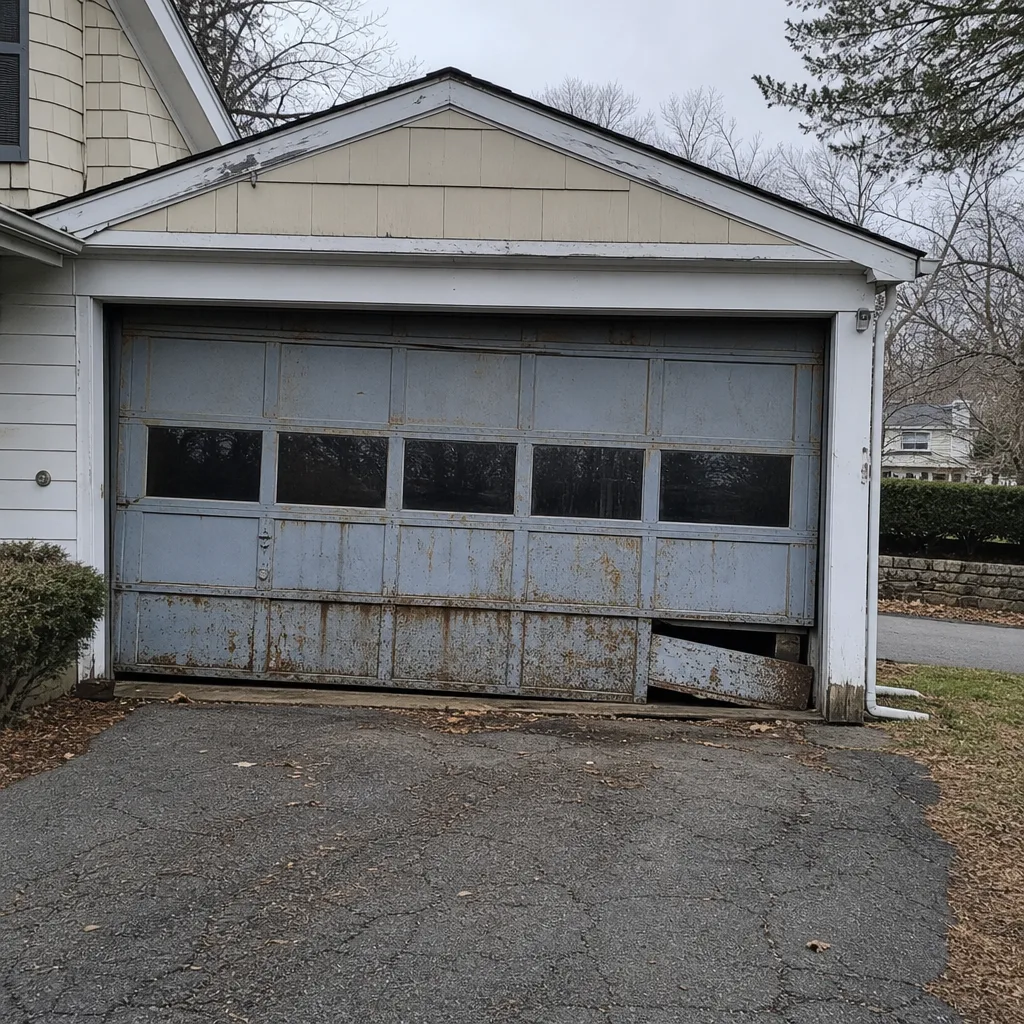 Before
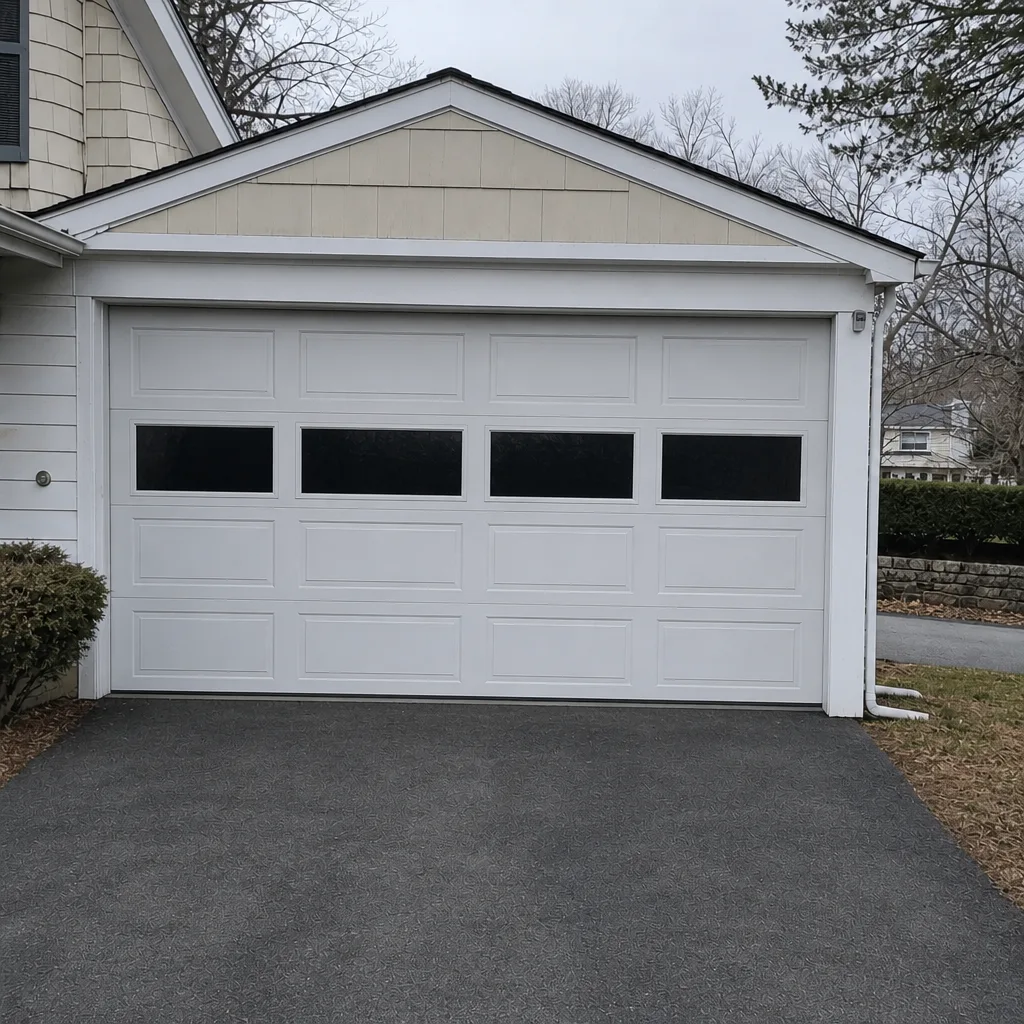 After
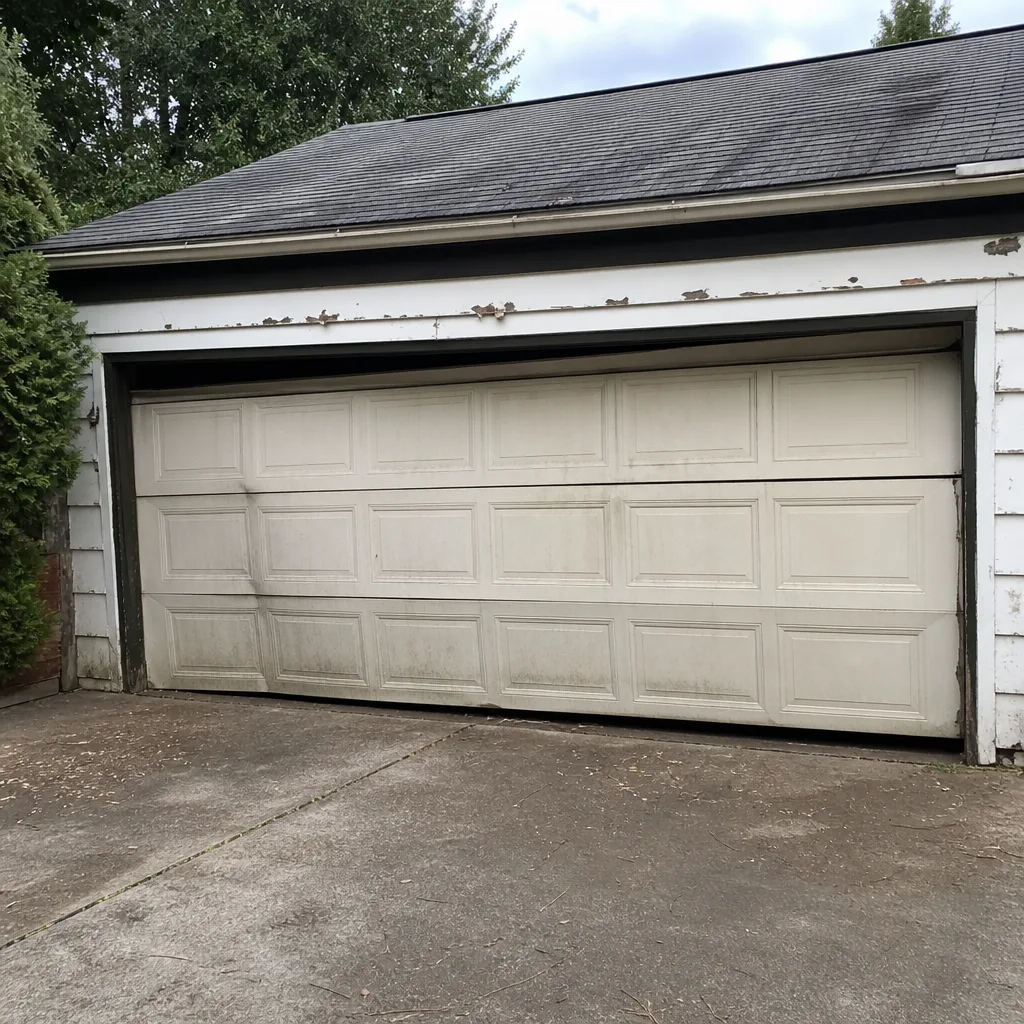 Before
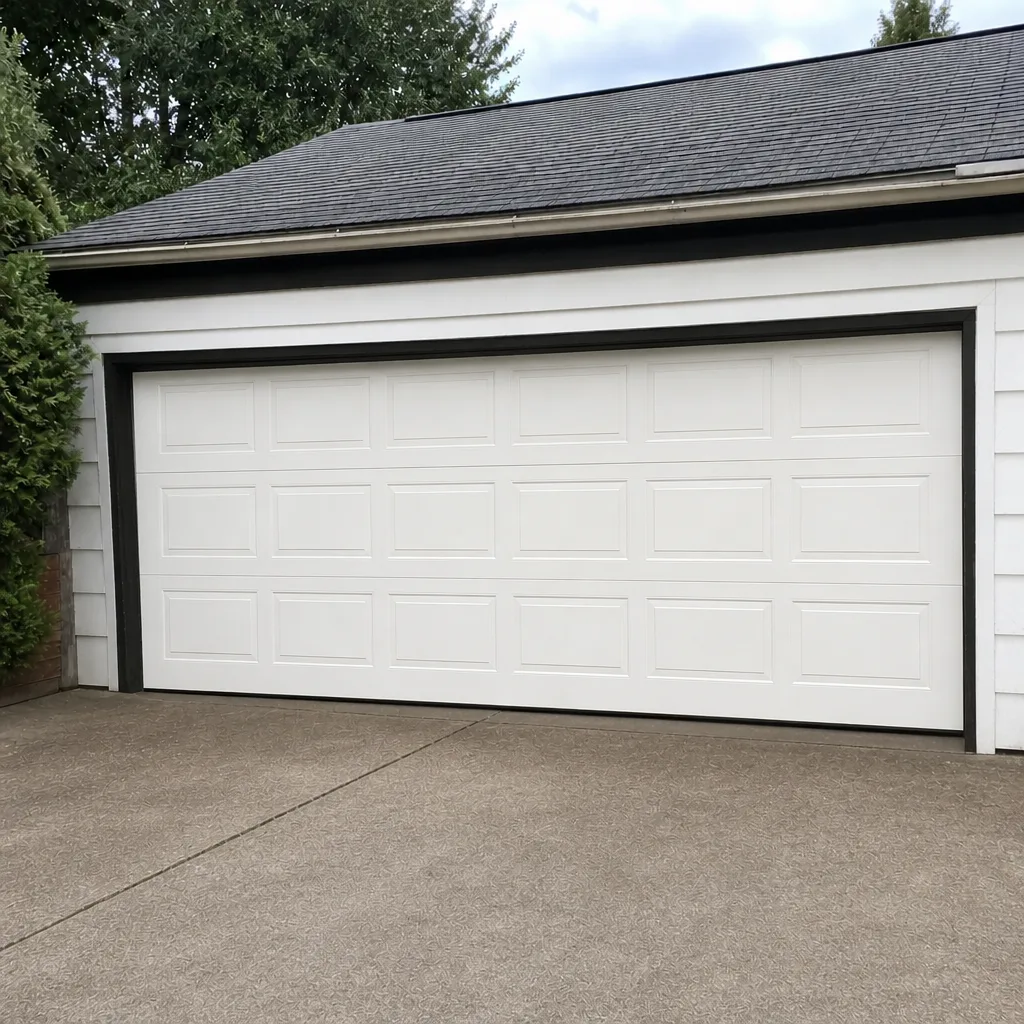 After
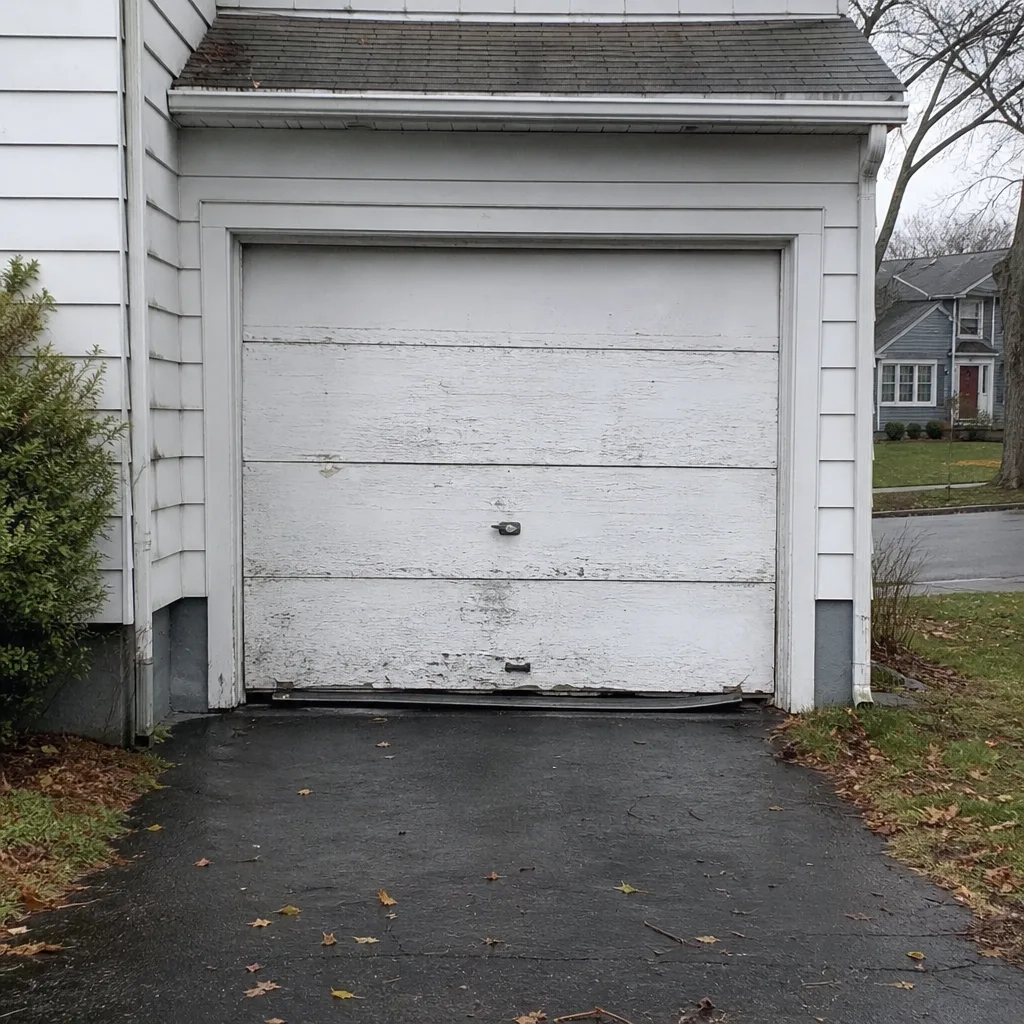 Before
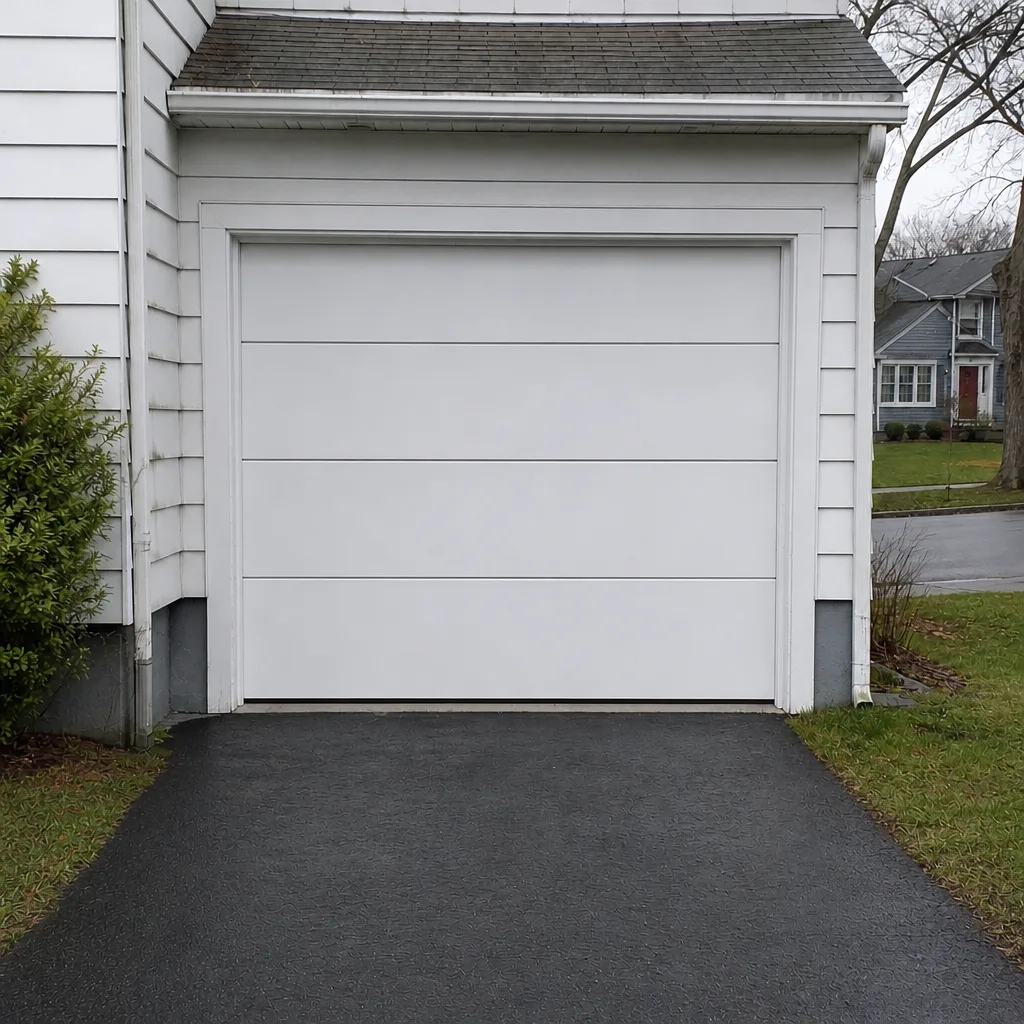 After
When to Call a Professional
Call a professional the moment springs or cables are involved, the door sags, the tracks are bent, or the opener has an electrical fault. Those are the failure modes where a wrong move can hurt someone. Get expert eyes on anything you can’t diagnose safely, and don’t guess at part replacement when the door’s weight is being held by a component you’re not sure about. Our technicians have up to 15 years of experience across the brands you’re most likely to have in your garage, from LiftMaster and Chamberlain openers to Clopay, Amarr, Wayne Dalton, Craftsman, Genie, and Raynor doors and hardware. West Hartford Garage Door Repair Pros offers free estimates in West Hartford – call (855) 337-1712 and we’ll schedule a look.
Frequently Asked Questions
Your safety sensors are detecting something in the beam path or the lenses are dirty. Wipe both lenses, check that the receiver’s indicator light is steady, and make sure nothing, including a sagging door edge or a bent bracket, is blocking the beam. If the door still reverses after that check, the limit travel setting may need adjusting, or a technician should look at it. Call (855) 337-1712 if you’d like us to diagnose it.
No. Torsion springs hold enough stored energy to cause serious injury if the tension releases unexpectedly, and extension springs can snap with real force. A spring failure is a call-a-professional job. We handle spring replacement directly and carry the right match for your door’s system. Call (855) 337-1712 for a free estimate.
Probably not. A humming opener usually means the motor is running but the drive or the door’s support system isn’t. A broken spring, a snapped cable, or a stripped internal gear are all more likely than a dead motor. Before you replace the opener, check whether the door lifts by hand with the opener released. If it feels heavy, the spring or cable has failed, and that’s the real repair.
Cold weather stiffens lubricants and tightens metal, and freeze-thaw cycles shift the tracks slightly, so the door runs noisier in the winter than it does in the summer. Worn rollers, dry hinges, and loose track bolts all show up more in the cold. If the noise is new and accompanied by a bind at one spot, the cause is likely track alignment after a freeze-thaw shift, which a technician can realign quickly.
We quote per job after the diagnostic, and the written estimate sets the final price, so you know the cost before any work starts. The range depends on which component failed and whether it’s a single part or a pair, so the most accurate answer is the one you get after a look at the door. Estimates are free, so call (855) 337-1712 for an exact quote rather than guessing.
No. We quote from what we find on the initial inspection, put it in writing, and the written estimate is the price – the number you’re quoted before work starts is the number you pay. If a diagnostic turns up something the initial description didn’t cover, we tell you before we do anything else. Call (855) 337-1712 for a free estimate and you’ll have the number in writing before a tool comes out of the case.
The Bottom Line
The trick to garage door troubleshooting in West Hartford is diagnosing the system, not the symptom. Dusty sensors, limit settings, and misaligned tracks cause most of the doors that reverse or stall, and those are things you can check safely yourself. Springs and cables are a different matter entirely, and forcing a door with a failed spring or cable is where real injuries happen. Repairs done right the first time are the cheapest repairs you’ll ever make. If you’ve checked the safe items and the door still isn’t behaving, call West Hartford Garage Door Repair Pros at (855) 337-1712 for a free estimate and we’ll diagnose the actual failure before anyone replaces a single part.
Written by the team at West Hartford Garage Door Repair Pros.