Last updated November 23, 2026
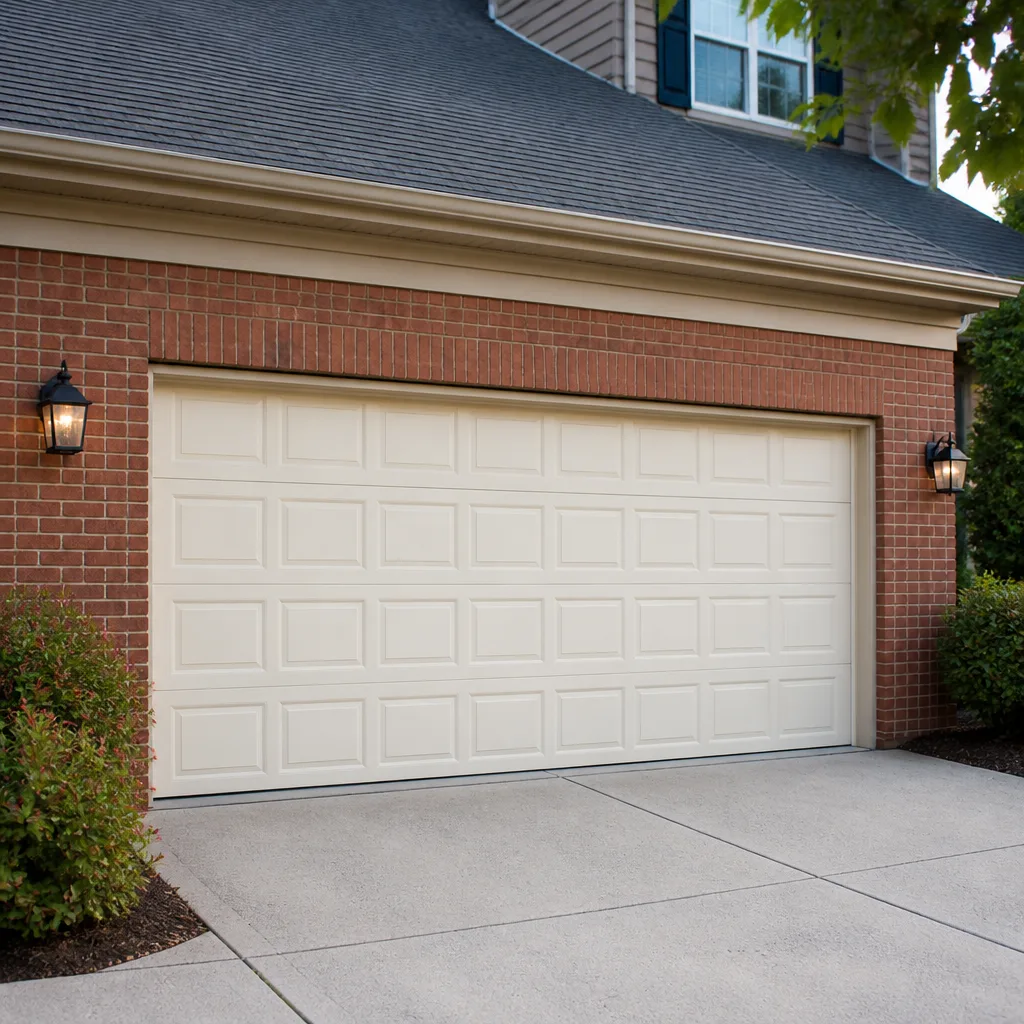 Raised-panel steel
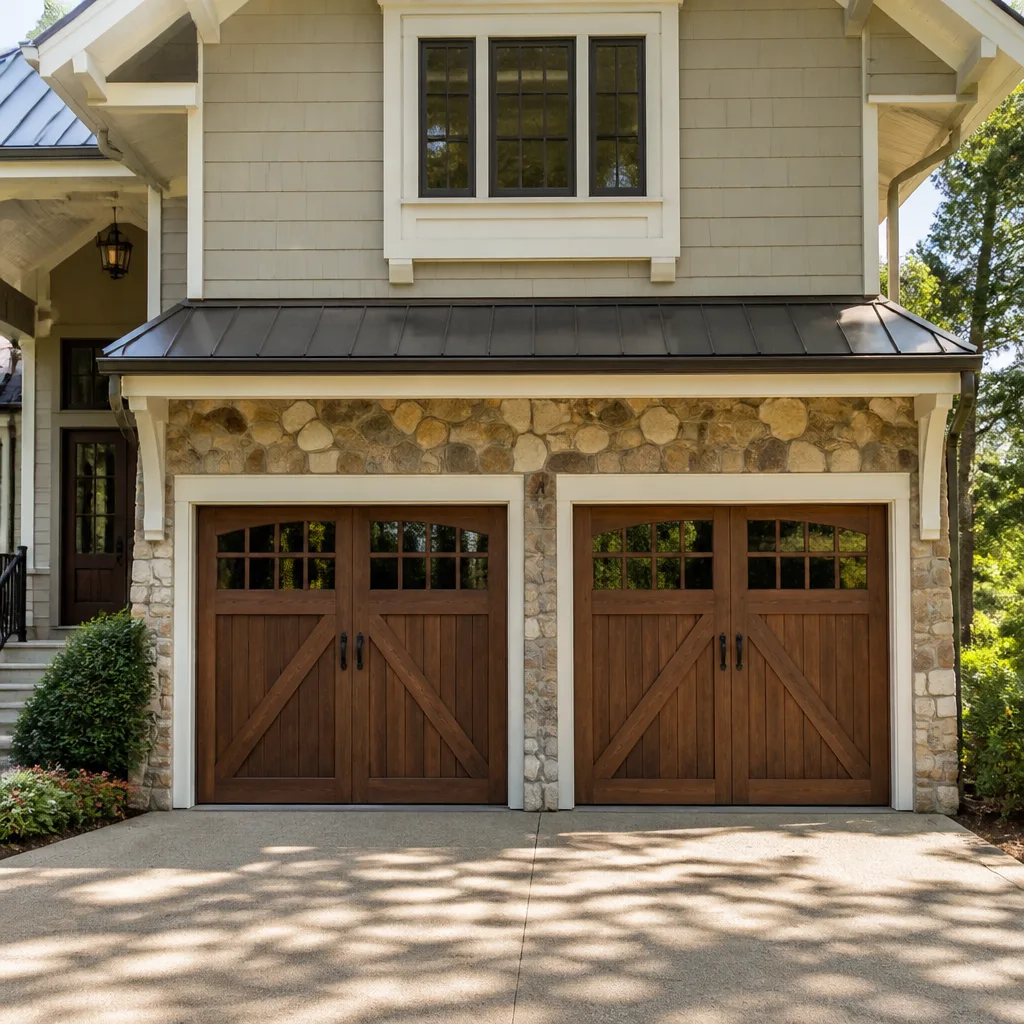 Carriage house
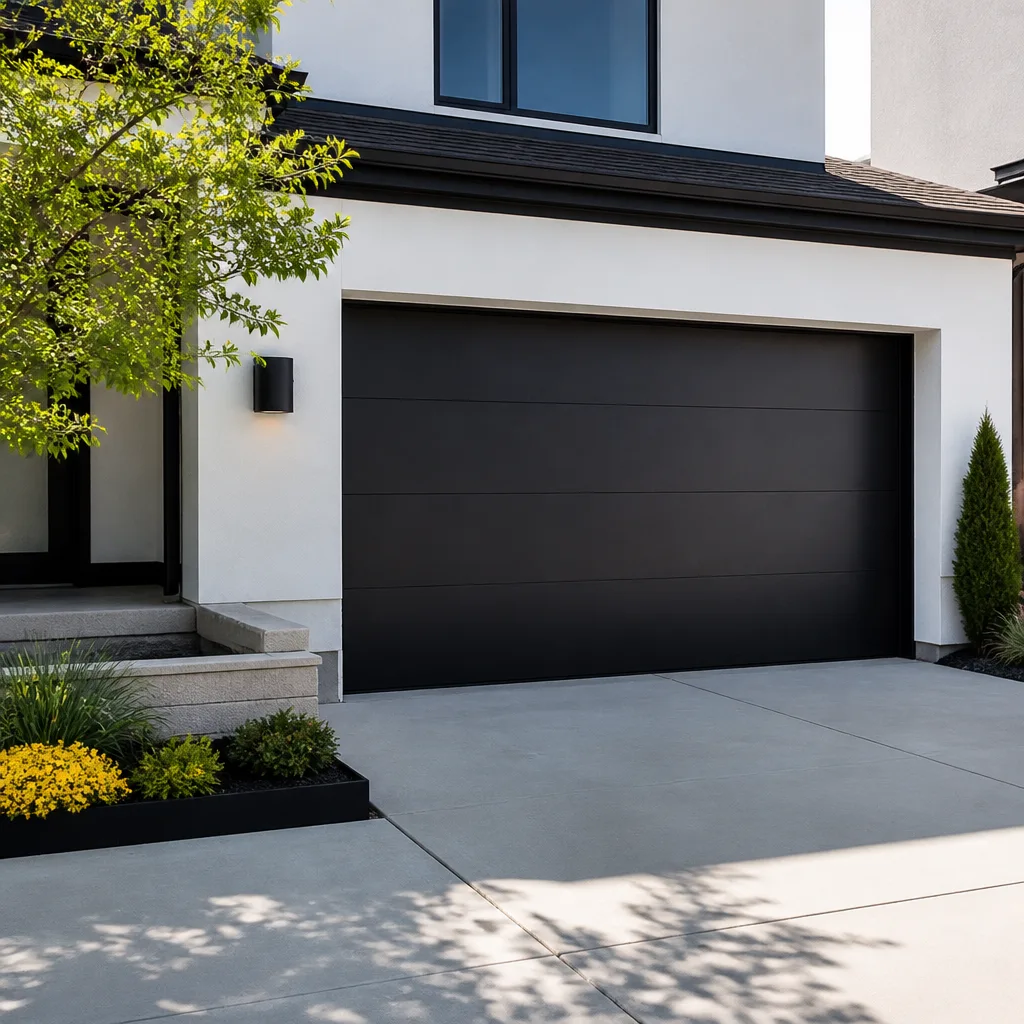 Modern flush
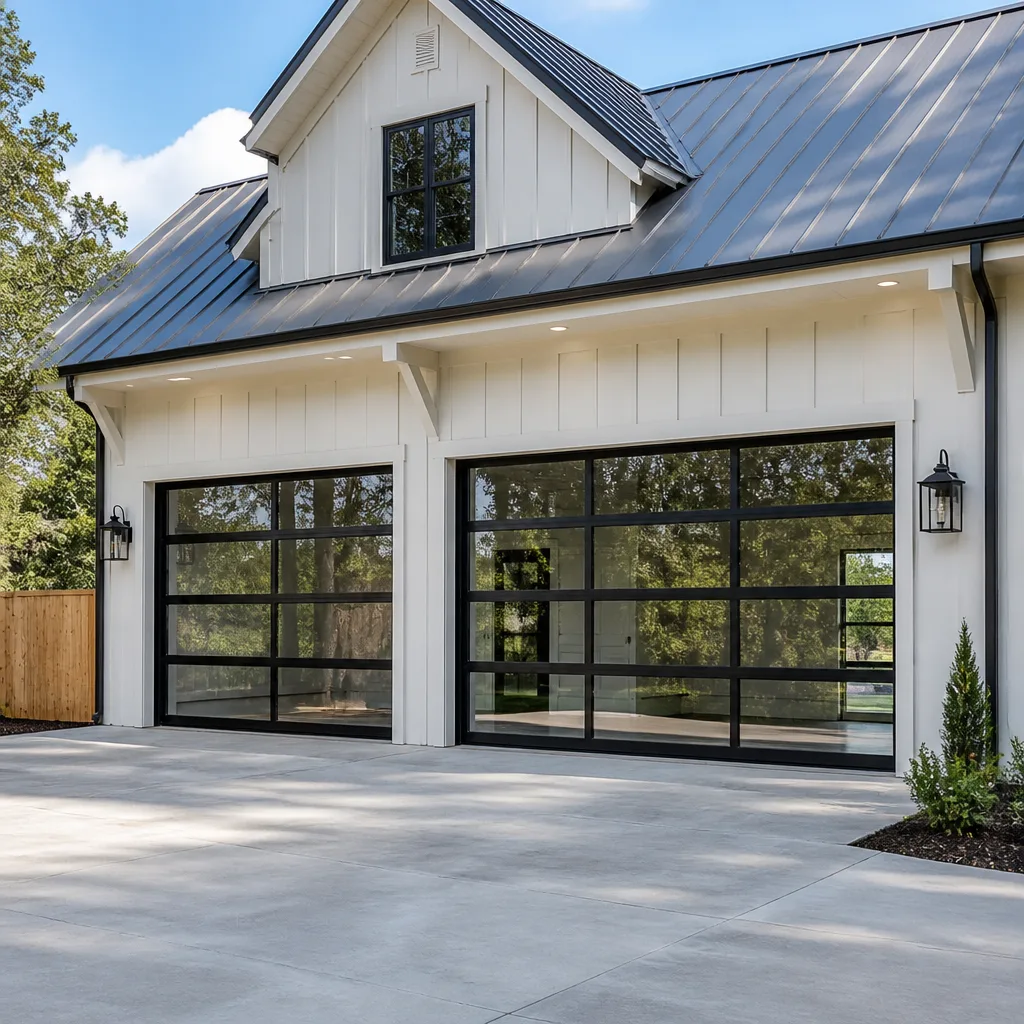 Full-view glass
 LiftMaster openers
 Chamberlain openers
Full 25-point door and opener safety check with every visit - springs, cables, rollers, tracks, and your LiftMaster or Chamberlain opener included
You get a price before we start. It does not change when the pro arrives.
Get your free estimateGarage Door Warning Signs: A West Hartford Homeowner’s Reference Guide
A garage door that takes two seconds longer to open than it did six months ago isn’t “getting old.” It’s telling you a specific component is under abnormal load, and that component has a name. Most doors that fail in West Hartford fail slowly: a grinding roller, a stretched cable, a spring winding down under a load it can no longer carry. The door keeps working, so homeowners keep dismissing it. This guide maps the sounds, motions and visual cues you’re already noticing to the components behind them. You’ll learn which warnings mean “schedule a repair this week,” which mean “stop running the door today,” and which are just West Hartford winter doing its normal cold-weather thing.
Quick Answer
Garage door warning signs fall into four groups: unusual sounds (grinding, popping, squealing, rattling), visible damage (spring gaps, cable fray, bent tracks, sagging panels), changed opener behavior (hesitation, reversing, laboring), and slower or jerky travel. Any door that suddenly gets loud, slower, or unsteady is signaling a component under abnormal load. The warning signs that call for immediate action – a two-inch gap in a torsion spring or a frayed, kinked cable – mean stop using the door and call a technician before it fails.
Styles & brands we work with
- Raised-panel steel
- Carriage house
- Modern flush
- Full-view glass
- LiftMaster openers
- Chamberlain openers
Table of Contents
- Sound and Symptom-to-Cause Diagnostic Table
- What You Can See From the Floor: Springs and Cables
- Opener Behavior Changes: Logic Board vs. Mechanical Load
- West Hartford Winter: Signs That Aren’t Failures
- The Second Chance Window
- A Monthly Five-Minute Inspection
- Safety: What Not to Attempt
Sound and Symptom-to-Cause Diagnostic Table
Sound is the earliest and most specific warning a garage door gives you. It’s also the easiest to misread, because most homeowners describe every bad noise as “it’s loud.” In our experience, the type of noise narrows the failing component faster than anything else you can observe from the ground. Match what you hear against the table below.
| What You Hear | Likely Component | Urgency |
|---|---|---|
| Grinding – a rough, metal-on-metal scrape as the door moves | Worn torsion springs, dry or seized rollers, track misalignment binding the panel | Moderate to high – schedule within days |
| Popping or snapping – a sharp crack, often at the start of travel | Torsion spring winding or fatigue; a worn bearing plate; an opener rail under stress | High – popping usually precedes spring failure |
| Squealing or squeaking – a high-pitched whistle on the move | Dry rollers, unlubricated hinges, rollers with worn bearings | Low to moderate – maintenance and lube first |
| Rattling or knocking – loose clatter over the whole travel | Loose hinge bolts, loosened track brackets, worn roller stems; worn nylon rollers | Low – tighten and inspect |
| Buzzing without movement – opener hums, door doesn’t go | Opener gear and sprocket wear, or a load the motor can’t lift (usually a spring) | High – opener is drawing against resistance |
| Bang or slam at the end of travel | Travel limits out of adjustment, worn opener coupling, or a failing spring letting the door drop | Moderate – check the opener limits |
One thing that table can’t capture: the door is supposed to sound the same every time. A noise that appears, disappears for a week, and comes back is not resolving itself. It’s loading and unloading as the mechanism shifts, and that pattern typically points at springs and cables. For West Hartford homes with doors on the north or shaded side of the house, cold and damp keep rollers and hinges running dry longer than most people expect, so a squeal there often starts as maintenance and only becomes structural if it’s ignored.
What You Can See From the Floor: Springs and Cables
You don’t need tools or a ladder to catch the two most serious garage door warning signs. Both are visible from standing on the floor, and both have a clear progression from “watch it” to “stop using the door.” Spring failure is a safety issue, not just an inconvenience – a torsion spring under load stores enough energy to cause serious injury when it lets go, so we flag the visual cues early and often.
Torsion springs (the coil above the door)
- Watch level: The spring looks intact. Listen for popping at the start of travel and note any increase in how hard the door is to lift by hand (disconnect the opener first, per the opener manual).
- Watch closely: You see a slight sag or the coil looks uneven. The door opens but sounds strained. Book an inspection; the spring is losing tension.
- Stop using the door: A visible gap of roughly two inches anywhere along the spring means it has broken. Call a technician before you touch the opener again.
Extension springs (the springs along the tracks on older doors)
Look for daylight between coils – a stretched extension spring is a loaded spring about to let go. Extension springs on older West Hartford doors should have a safety containment cable running through the middle. If yours doesn’t, that’s a genuine safety gap worth a professional look independently of wear.
Cables
Cables run the length of the tracks on either side. What you’re looking for:
- Frayed strands or a fuzzy, “hairy” look near the drum or drum bracket
- Kinks or bends that don’t recover when the door is closed
- A cable that’s come off the drum and is riding slack against the track
- Uneven side-to-side travel – the door lifts crooked, meaning one cable carries more load
A frayed cable is one missed visual check away from a snapped cable and a jammed door. When the door drops or tilts, it’s the job for garage door repair, and a good technician will always check the spring while they’re on the cable, because the two fail together more often than not. If you’re seeing spring or cable symptoms right now, don’t wait on the repair – garage door spring repair is squarely in our wheelhouse, and it’s not a job to attempt without the right winding bars and training. Generalists quietly avoid it for exactly that reason. Our technicians have up to 15 years of experience, and they’ve worked on the brands already in the driveways around West Hartford – Clopay, Amarr, Wayne Dalton and the rest.
Opener Behavior Changes: Logic Board vs. Mechanical Load
When an opener starts acting strangely, most homeowners assume the opener is dying and start shopping for a new one. That’s often the wrong diagnosis. The opener is frequently reporting on the door, not failing itself. Distinguishing the two saves you the cost of a new unit you didn’t need – and the right answer is a matter of matching the symptom to the system.
Signs the problem is mechanical load
- The door opens slowly but the opener motor sounds normal (steady, not straining)
- The door reverses partway down, but only when it’s cold or has sat for a while
- The opener strains on the way up but moves fine on the way down
- The door hesitates at one spot in the travel, then surges past it
- The opener gets hot or trips its overload after a few cycles
Every one of those points to a load problem upstream of the motor: weakened springs, a binding track, dry rollers, or a door that’s gone out of balance. The opener’s reversing system is doing its job by reacting to resistance it shouldn’t feel. Fixing springs and balance fixes the opener behavior without touching the opener.
Signs the problem is the opener itself
- No response to remotes or wall controls at all, but the wall button may still work sometimes
- The door opens about a foot, stops, and the light flashes a fixed number of times (a fault code – check your model’s manual)
- The door reverses immediately on contact with nothing, or the safety sensors show constant obstruction
- Erratic partial travel with normal manual door effort
For the brand-specific cases, we work on LiftMaster and Chamberlain systems alongside legacy Genie and Craftsman openers, and the fault-code behavior is different across all of them. Some openers are giving you a straightforward logic board or sensor issue; older Craftsman and Genie electronics in West Hartford homes behave differently around cold weather than newer lift systems, which is often how the confusion starts. Our technicians have up to 15 years of experience across these lines, so when you describe the symptom and tell us the brand, we know where to look. If the opener itself is the problem, that’s garage door opener repair, and the fix is usually targeted – the right part for your specific opener model rather than a “close enough” stand-in.
West Hartford Winter: Signs That Aren’t Failures
West Hartford’s winter is hard on garage doors, and it produces a whole class of warning signs that aren’t actually failures. Knowing the difference keeps you from calling a technician unnecessarily – and, more importantly, keeps you from dismissing a real problem as “just the cold.” The two look similar, so here’s the line between them.
What’s normal in cold weather
- Creaking or a slower opening for the first few cycles of the day. Rolling steel, hinges and hinges with cold grease take a few cycles to warm up. Lubricating with a silicone or lithium spray usually helps, not a fit of panic.
- A door that opens harder on the coldest mornings. Torsion springs flex differently cold. A door that’s been fine for months suddenly demanding more effort on a 15-degree morning is normal cold behavior, not imminent failure, as long as it’s only on the coldest days and the door is still balanced by hand once the opener is disconnected.
- Squeaking and a bit of rattle that fades after the first open-close cycle.
- Frost or snowpack at the door bottom that the door meets with resistance on the way down.
What winter does NOT cause
- A two-inch gap in a torsion spring – that’s broken, whatever the temperature
- A frayed cable or cable off its drum – cold doesn’t cause that
- The door lifting crooked – a balance or cable issue, not a weather issue
- Popping on every cycle – spring fatigue, not cold lubrication
- A door that reverses on the way down once it’s warmed up – something is obstructing or the opener is misreporting
The simplest test when you’re unsure: disconnect the opener and lift the door by hand. A properly balanced door lifts smoothly and stays roughly where you let go. If it fights you or wants to drop fast, the problem is mechanical and cold weather is only making it worse. West Hartford homes tend to see real spring problems announced on the first hard freeze of the year, right when the door gets exercised after a warm spell.
The Second Chance Window
Almost every garage door failure has a window between the first warning sign and the actual breakdown – sometimes weeks, sometimes months – where the repair is cheapest and simplest. The door hasn’t failed yet, so the fix is the spring, or the roller, or the cable, not all three plus a straightened track. Miss the window, and the failure picks what else gets damaged for you.
Typical windows by failure type
- Worn rollers and hinges: Days to weeks. The fix is rollers and lube, and left alone the extra vibration eats the opener rail and hinge plates.
- Frayed or stretched cable: Treat as days, not weeks. A snap can whip, bend a track, and leave you with a door stuck down until we get out.
- Weakening torsion spring: Often weeks to a season, but unpredictable. Once the spring starts popping, the second-chance window is short and the risk to whoever’s under it grows. A matched pair is usually replaced together, so plan for every spring on the shaft being renewed, not just the one you can see failing.
- Opener strain and reversal: Days to weeks. Fixing the door’s load now often preserves the opener. Ignore it, and the opener’s gear or logic board can go too, which doubles the bill.
- Track misalignment: Days. Left alone, the door forces the panel, hinges wear, and suddenly you’re pricing panels for a door that needed a track adjustment.
Our best advice is simple: tune the warning signs on a regular cycle, and the second chance window is generous. Watch for changes monthly, and the odds are good you’ll be scheduling a straightforward repair rather than handling a door that won’t go down in the middle of West Hartford on a bad morning.
A Monthly Five-Minute Inspection
You can catch the large majority of warning signs in a few minutes a month, no tools and no ladder. Do it while the car is pulled out and the door is in view. Never put your hands between the door panels or near the hinge points while the opener is engaged.
- Listen first. Run the door up and down once. Note any new sound against the table above.
- Watch the travel. Does the door go up smoothly and evenly, or does one side lag? Crooked travel points to cables and spring balance.
- Look at the springs. Standing on the floor, check the torsion spring above the door for a gap, and any extension springs for stretched coils and missing safety cables.
- Look at the cables. Quick visual along both tracks for fray or a cable that’s off its drum.
- Check the door balance. Pull the manual release, lift the door halfway and let go gently. It should hold roughly in place. If it crashes down or fights you, book a look. Re-engage the opener before using the door normally.
- Test the safety reverse. Place a small object in the door’s path, close it, and confirm it reverses. Test the sensors by waving an object across the beam while the door is closing.
- Look at the opener light. Note whether any fault-code flash pattern appears, and check your opener manual (LiftMaster, Chamberlain, Genie and Craftsman all use different patterns).
That routine catches the signs you’d otherwise rationalize away, which is the whole point of this guide. If you’d rather have a technician’s eyes on it, a quick walk-through is part of what we offer when you call for a repair or estimate – West Hartford Garage Door Repair Pros is a partner-run service for homeowners in and around town.
Safety: What Not to Attempt
The springs, cables and the torsion assembly above your door are the one part of the garage door system you should never service yourself. Torsion springs store serious energy even when the door is closed, and a wound spring under load can release with no warning. Cables under tension can whip. Attempting to adjust a spring’s tension, loosen a spring drum, or cut and re-crimp a cable is how people in this trade get badly hurt, and it’s not a job for a confident homeowner with a YouTube video and a pair of gloves.
What you can safely do: listen, watch, check balance by hand once the opener is disengaged, lube rollers and hinges from the floor, clean the door bottom and clear snow and ice, and check the opener’s safety reverse. When the warning sign points to a spring or cable, that’s the point to call a trained professional, not to see if you can get another season out of it. If the door won’t open at all, or is stuck half-open and hanging, it’s an emergency in the sense that it’s not safe to run every time – don’t force it. That’s exactly the situation where garage door repair is faster and safer than a DIY attempt.
Common Mistakes to Avoid
- Treating “it still works” as “it’s fine.” The door working today tells you very little about whether it will on the next cold morning. Judge it against how it sounded and traveled three months ago, not against whether it moved this morning.
- Waiting until the door is loud before acting. Standard North End and Elmwood homes have plenty of storied old doors with a tale to tell, but loud is late. Quieter changes – slower travel, a pop at the start, one side lagging – come first.
- Booking an opener replacement when the door is fine and the springs aren’t. Get the loaded door diagnosed before you buy electronics. New openers do not lift heavy doors, and a straining new motor just fails sooner.
- Ignoring the second spring. Torsion springs are typically matched and replaced in pairs. Replacing only the broken one leaves the older one on the same shaft about to follow, and it’s usually done back-to-back once the door is open.
- Forcing a stuck door with the opener. If a door with a broken spring is stuck down, pulling the manual release and heaving it by hand can lead to a drop or a bent panel. When it won’t open and you can’t wait, call a technician rather than fighting the door.
- Trusting a generalist with a spring job. Spring work is the most safety-critical garage door repair there is, and not every handyman will take it on. Be sure the person you call actually does spring work.
- Assuming every winter symptom is a failure. As covered above, some cold-weather creaking is normal. Track the pattern – a twice-daily creak that fades is different from a pop on every cycle.
See the difference
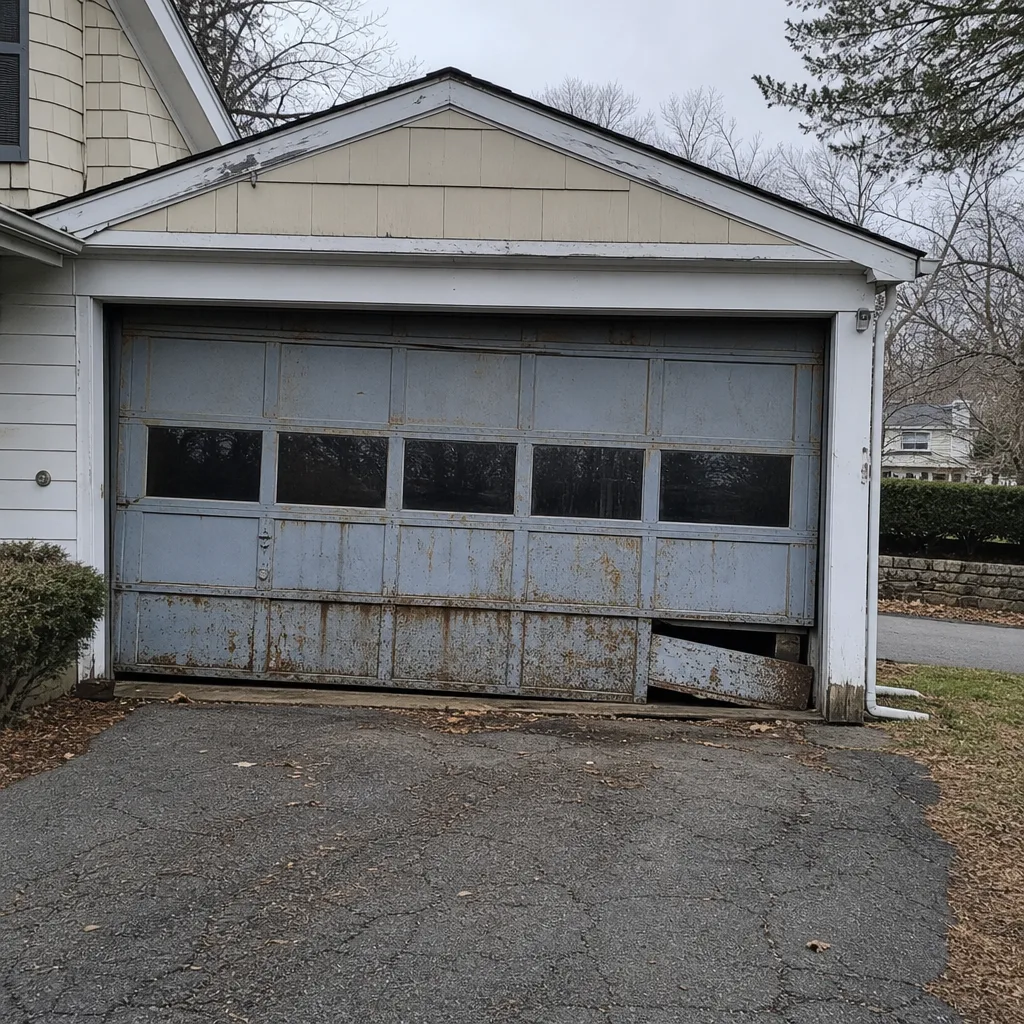 Before
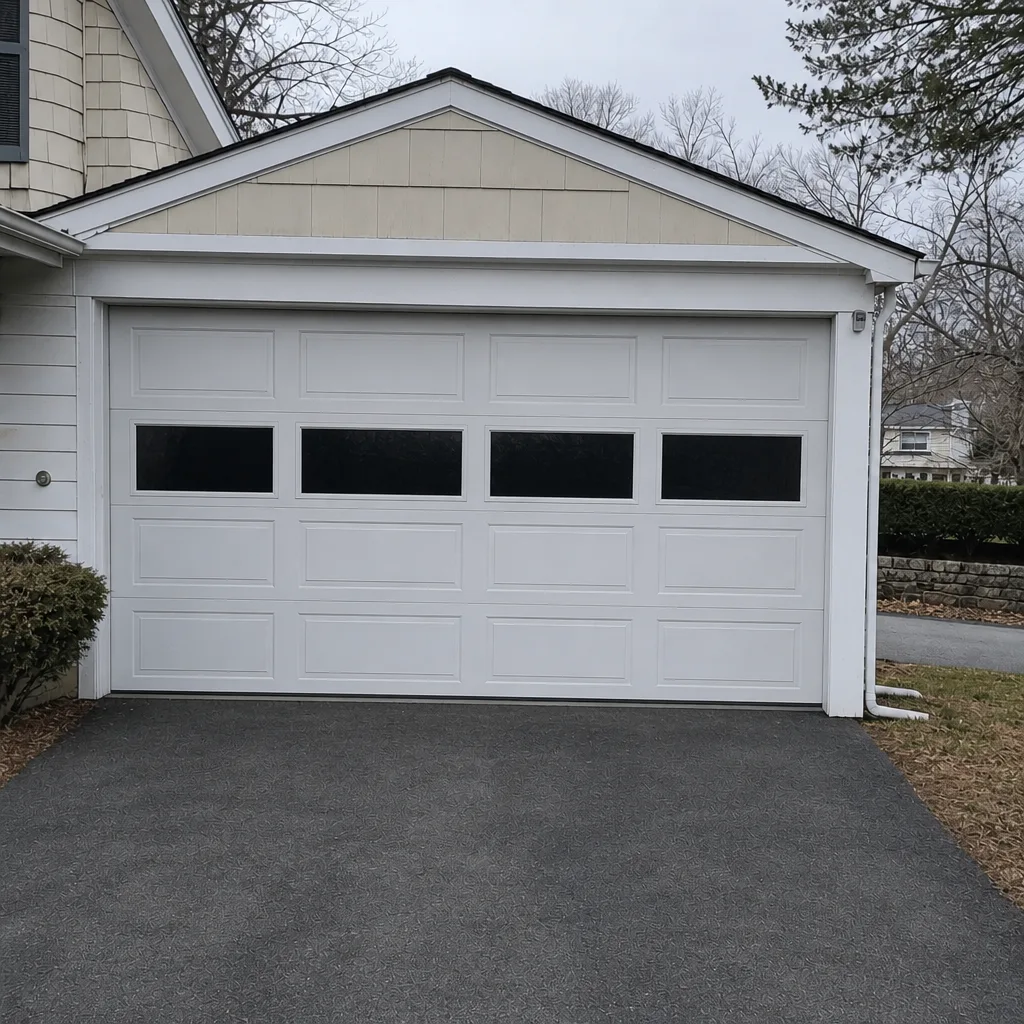 After
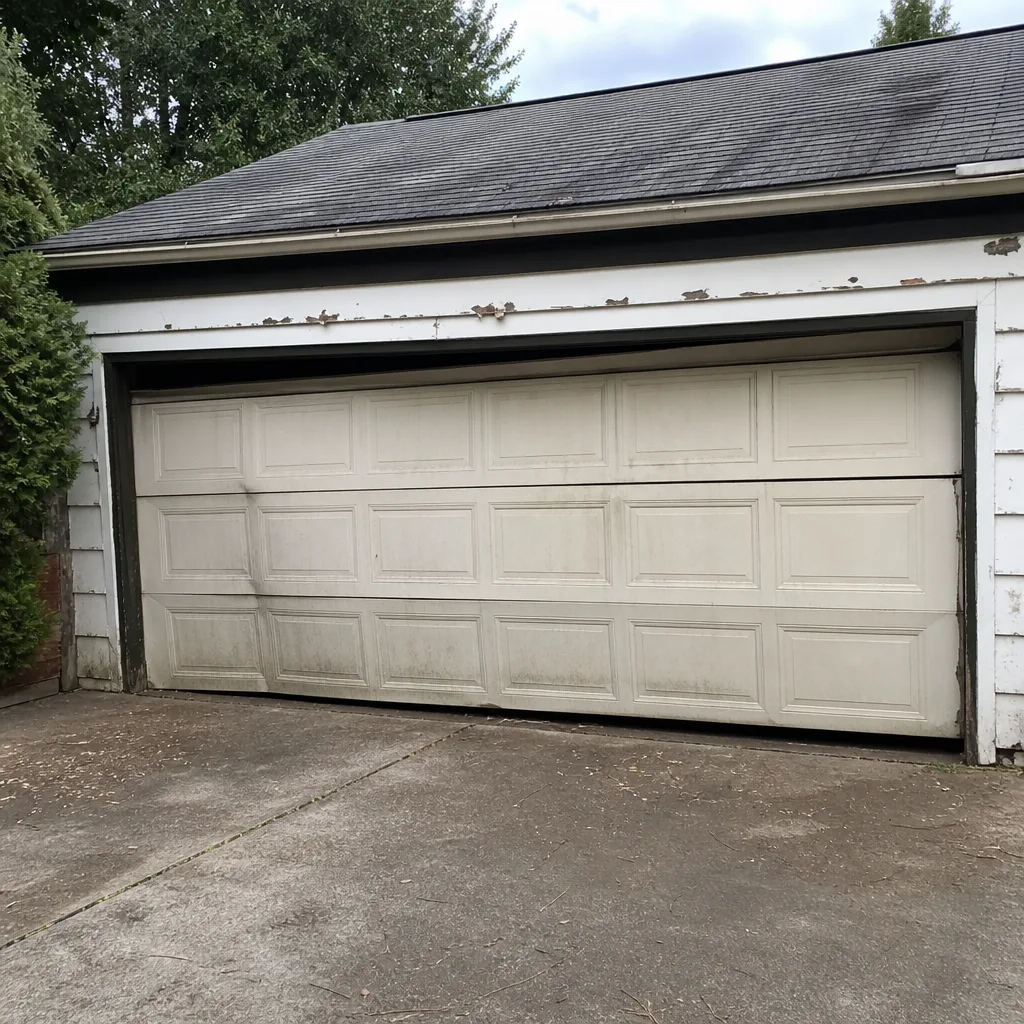 Before
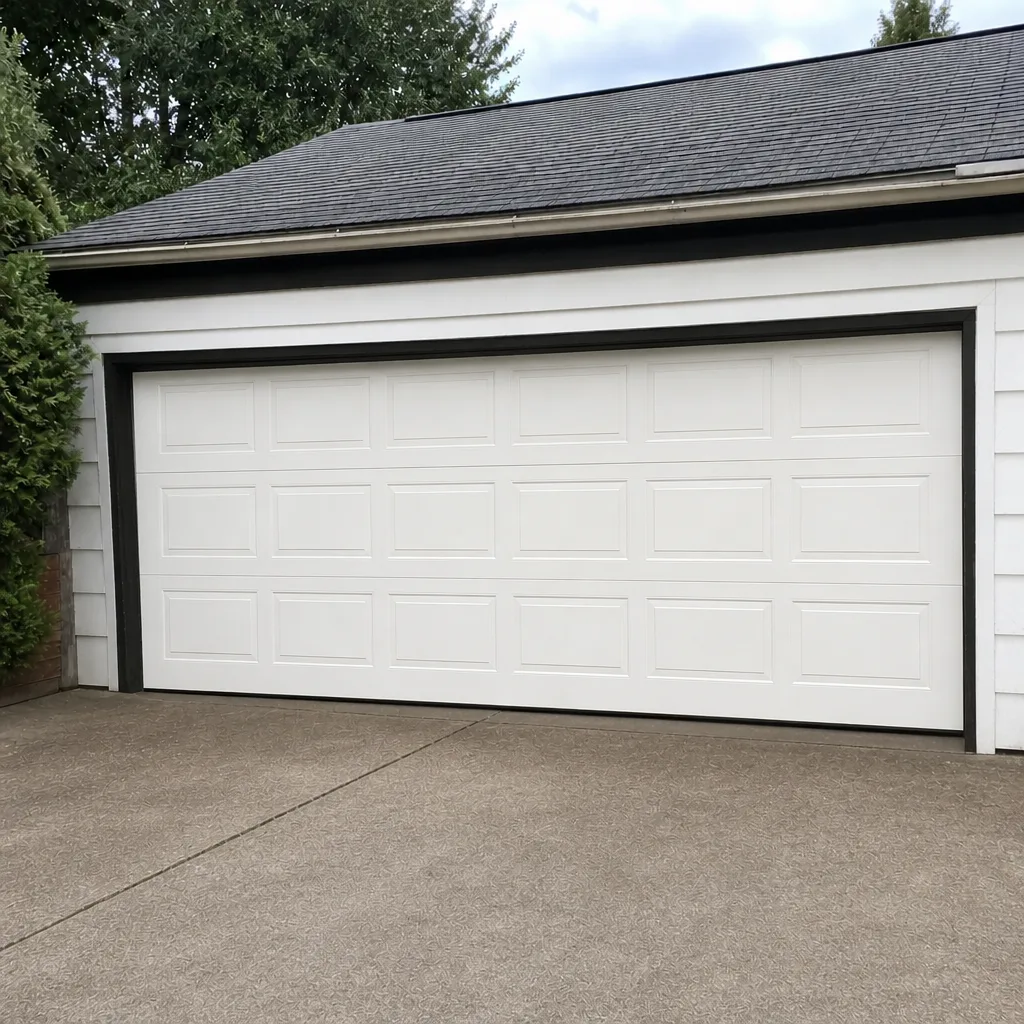 After
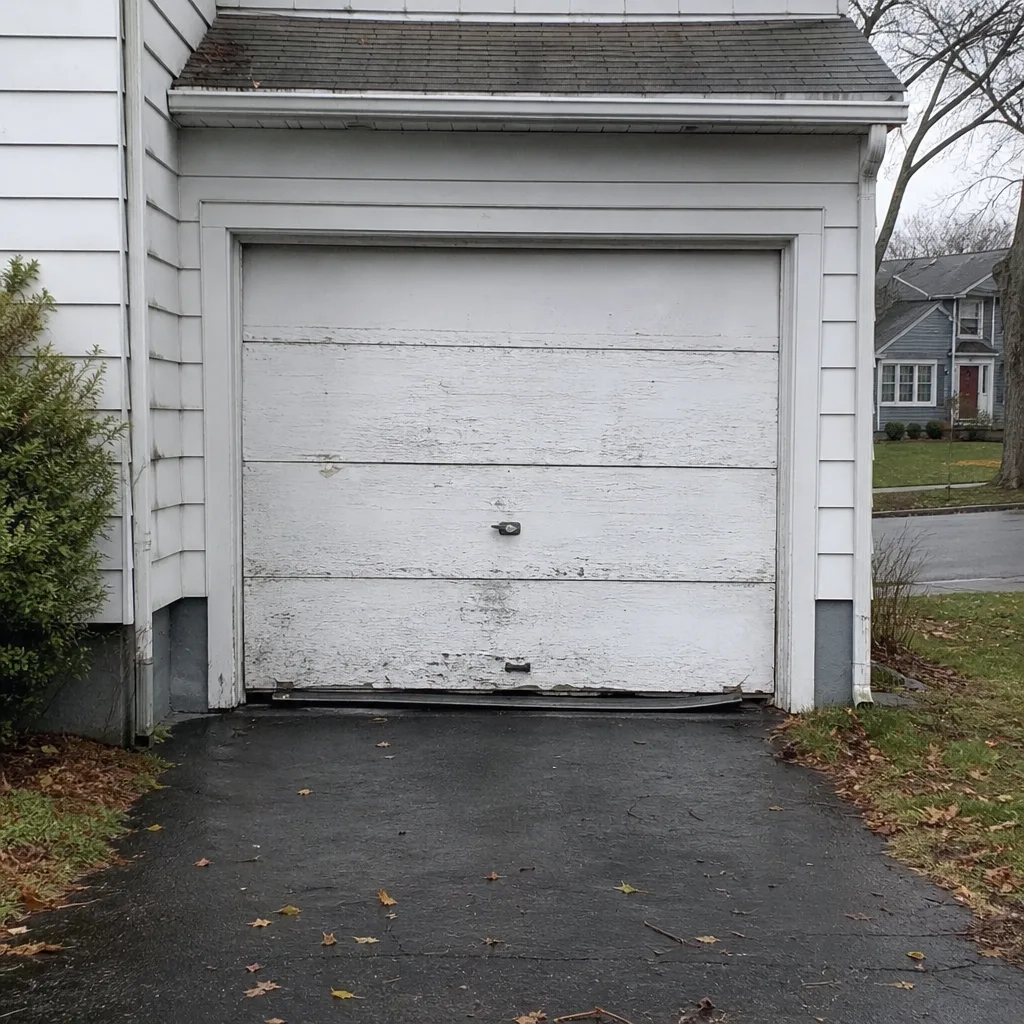 Before
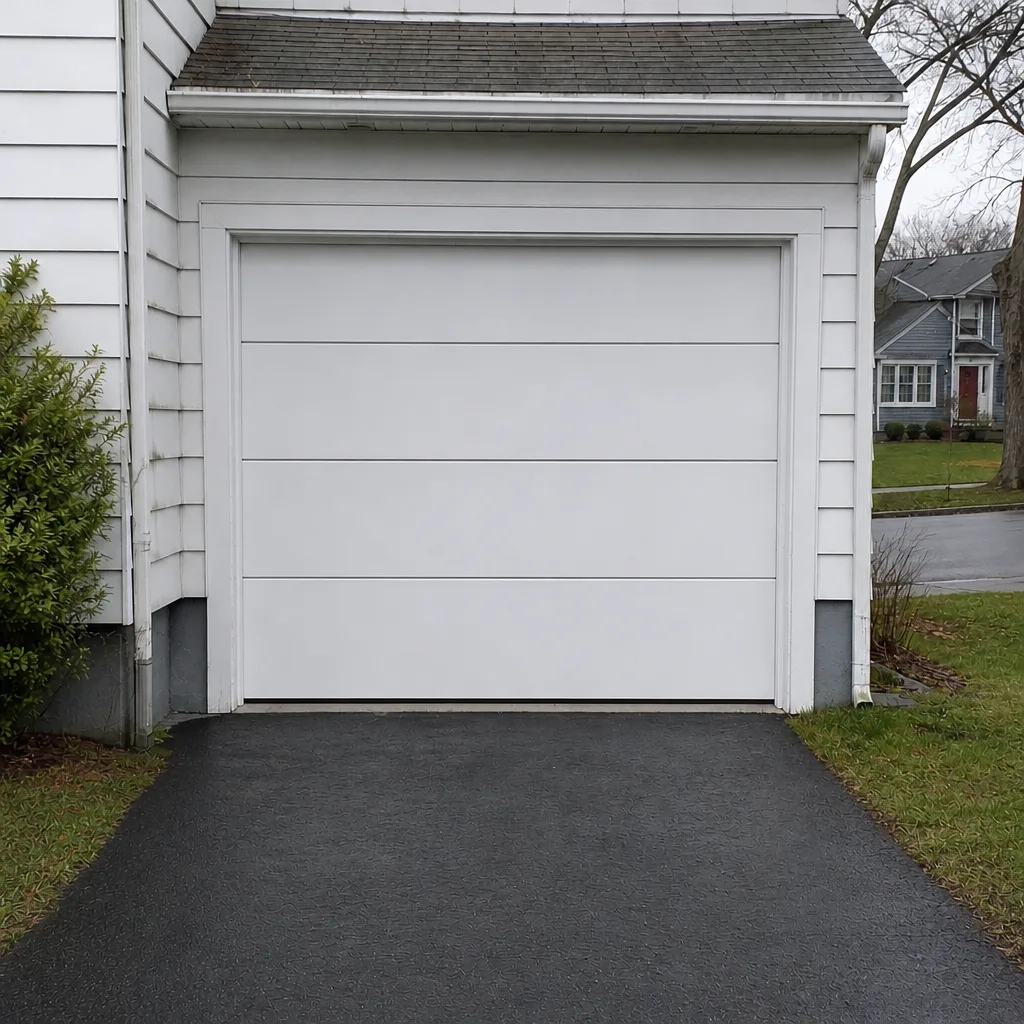 After
When to Call a Professional
Call a technician when the warning signs narrow to the critical few: a visible gap in a torsion spring, extension springs with no safety cables, a frayed or off-drum cable, a door that lifts crooked or slams, an opener that surges mid-travel or gets hot, or any sound that appears on every cycle and wasn’t there before. Call today if the door is stuck open, stuck down, or hanging on one side. It’s also worth a call if you’ve simply noticed a change and can’t tell whether it’s weather or failure – a diagnostic visit answers that without guesswork.
West Hartford Garage Door Repair Pros offers free estimates in West Hartford – call (855) 337-1712. We work on the brand already in your garage across LiftMaster, Chamberlain, Genie, Clopay, Amarr, Wayne Dalton, Craftsman and Raynor systems, and if the door is past saving we’ll tell you, not upsell you. Repair or replace – we’ll tell you which one makes sense.
Frequently Asked Questions
The most common early warning signs are a door that’s slower than it used to be, grinding or popping at the start of travel, a door that lifts crooked, and an opener that hesitates or reverses unexpectedly. In West Hartford, spring and roller wear top the list because our winters put doors through real cold cycles. Any change from how the door behaved a few months ago is worth noting. Call (855) 337-1712 for an exact assessment – estimates are free.
Repair costs depend on the component and the door, so we quote per job after a look, not from a price list. Spring repair, roller replacement, cable work and track adjustment all differ, and a written estimate sets the final price before any work starts. Call (855) 337-1712 for a free estimate.
Often yes – emergency garage door service is a core part of what we do, and we’re set up to respond when a door fails or won’t close. Call (855) 337-1712 and we’ll book the soonest available visit. Spring failure is a safety issue, not just an inconvenience, so don’t force a stuck door.
No – the written estimate is the price you agree to before any work begins. If the door turns out to need something beyond what we quoted, we stop, explain it, and get your approval before proceeding. Call (855) 337-1712 for a free estimate.
The local professionals we connect you with are licensed and insured as their state requires, and they’re experienced with the specific systems we name here. Our technicians have up to 15 years of experience across LiftMaster, Chamberlain, Genie, Clopay, Amarr, Wayne Dalton, Craftsman and Raynor lines. Call (855) 337-1712 for a free estimate.
A broken torsion spring shows a visible gap of about two inches along the coil when the door is closed; cold weather doesn’t create a gap. If the spring looks intact and the door is just stiff on the coldest mornings, that’s normal cold behavior. If the door lifts crooked or pops on every cycle, get it checked. Call (855) 337-1712 for a free estimate.
Do the visual checks and lubrication – never attempt spring, cable or torsion assembly work. That’s the one part of the system that can seriously injure you even when the door is closed. When the sign points at a spring or cable, call a trained professional instead. Call (855) 337-1712 for a free estimate.
The Bottom Line
Most garage door failures in West Hartford announce themselves first. Grinding, popping, squealing, a door that lags on one side, an opener that strains or reverses, a two-inch gap in a spring – these are warnings, not personality quirks. The door working today is not the same as the door being safe, and the second chance window between the first warning sign and a real breakdown is where repairs cost the least and disrupt the least. Watch the door monthly, catch the visual cues from the floor, and call when the sign points at a spring or cable. Our team is here when it does – call (855) 337-1712 for a free estimate in West Hartford.
Written by the team at West Hartford Garage Door Repair Pros.