Last updated November 23, 2026
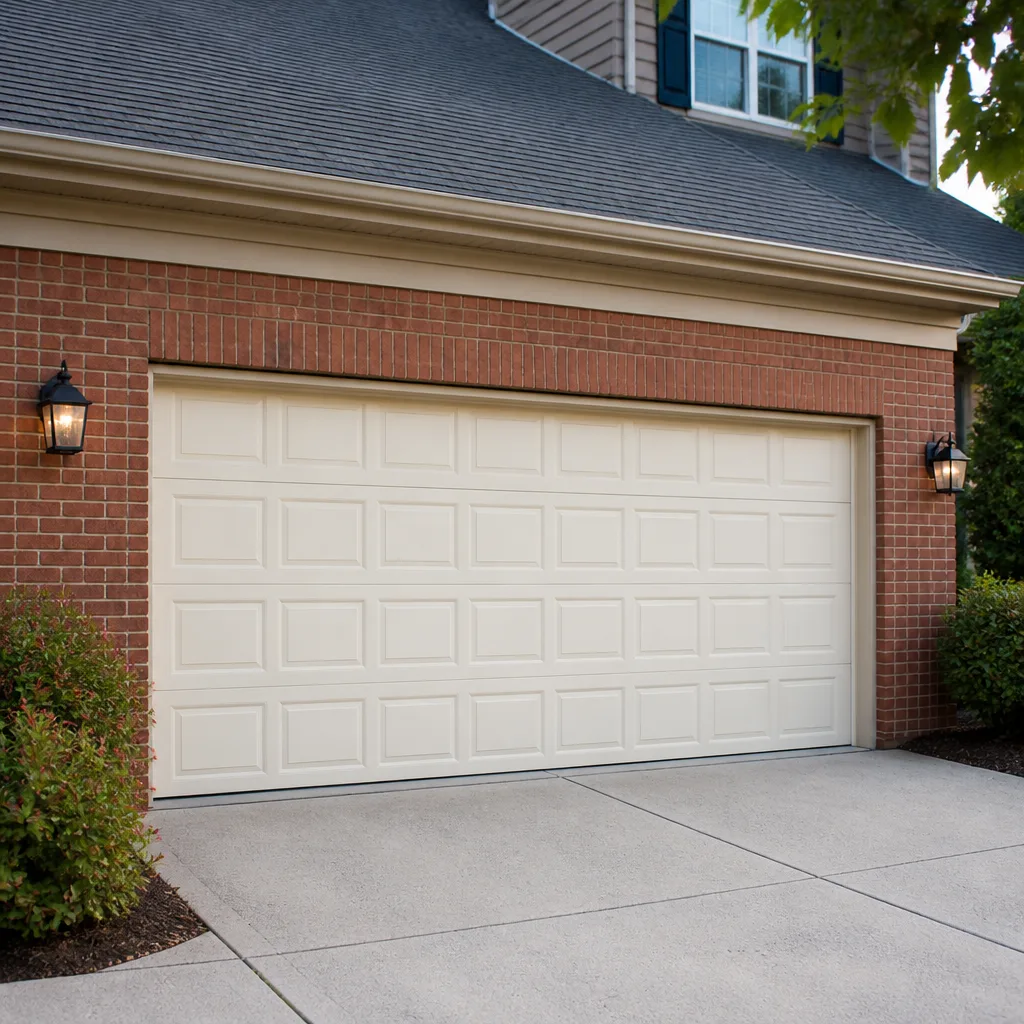 Raised-panel steel
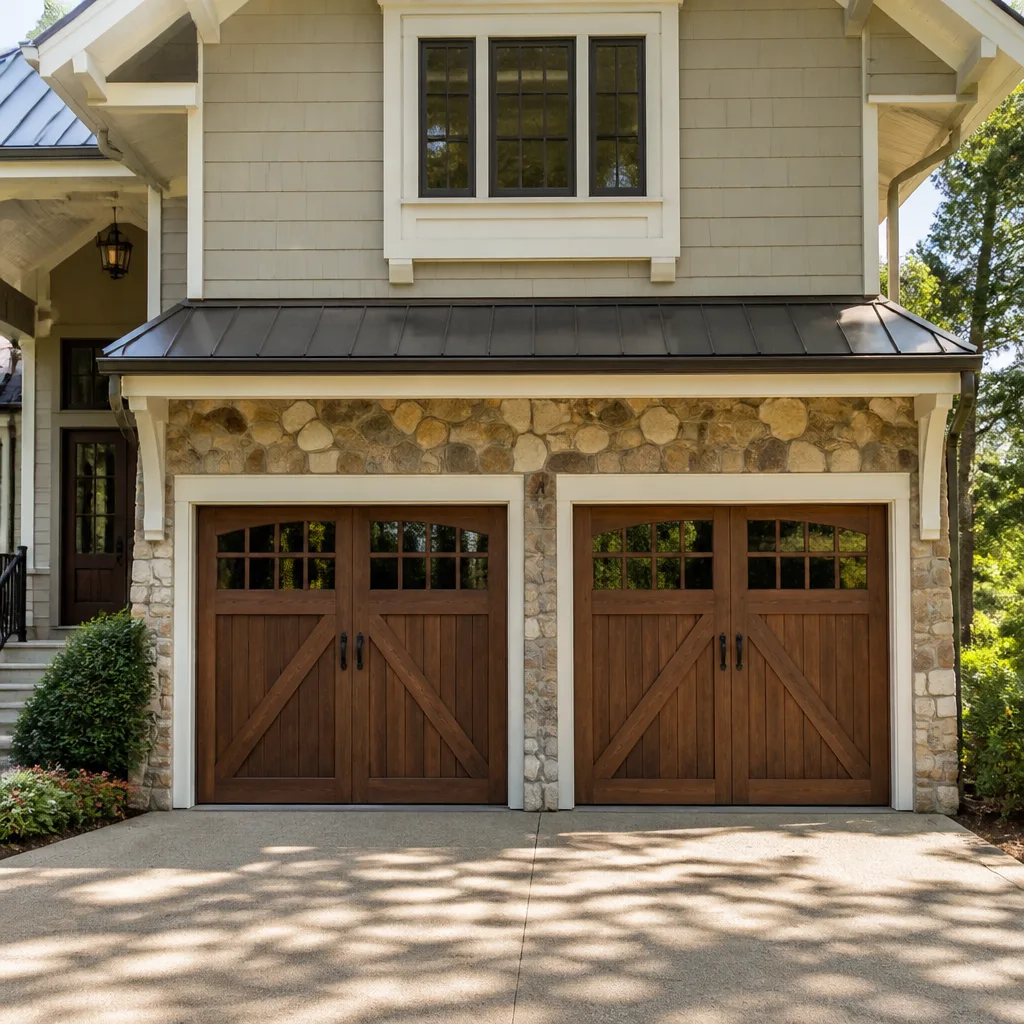 Carriage house
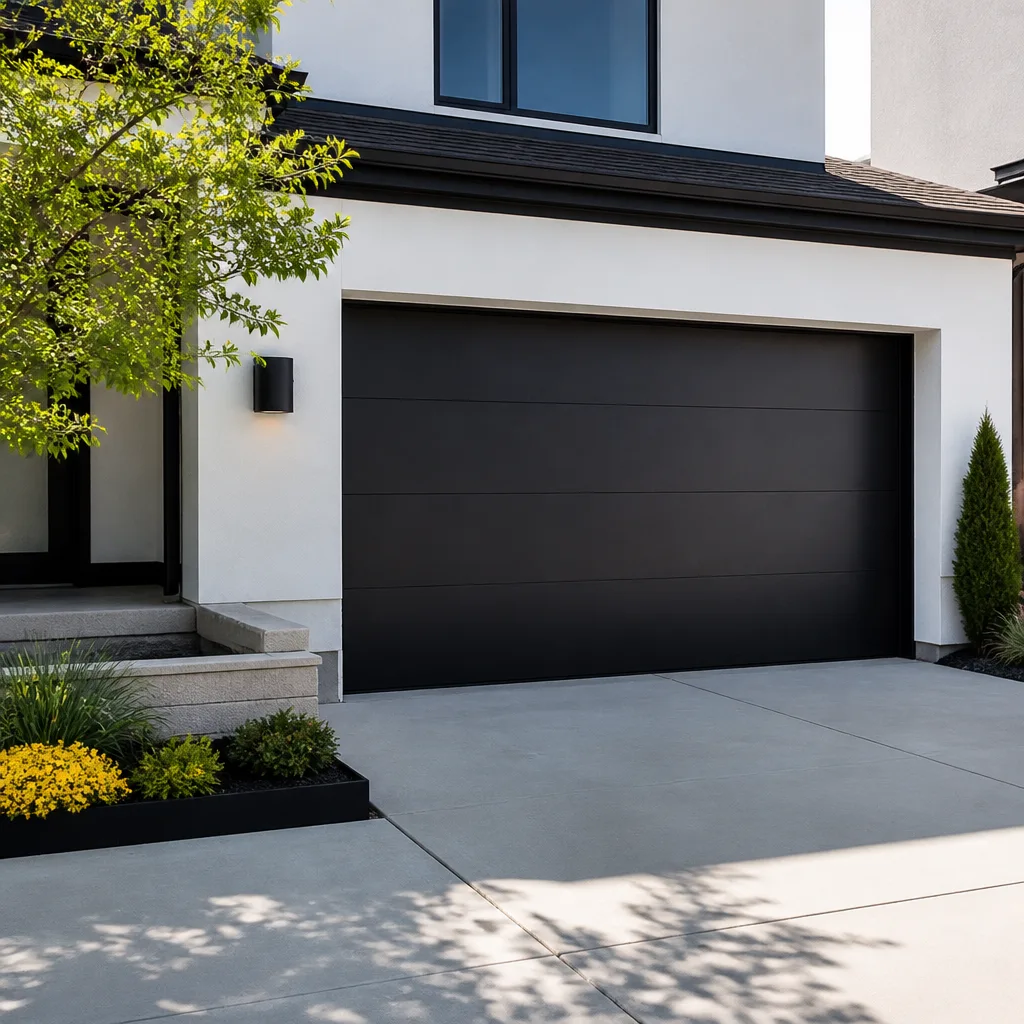 Modern flush
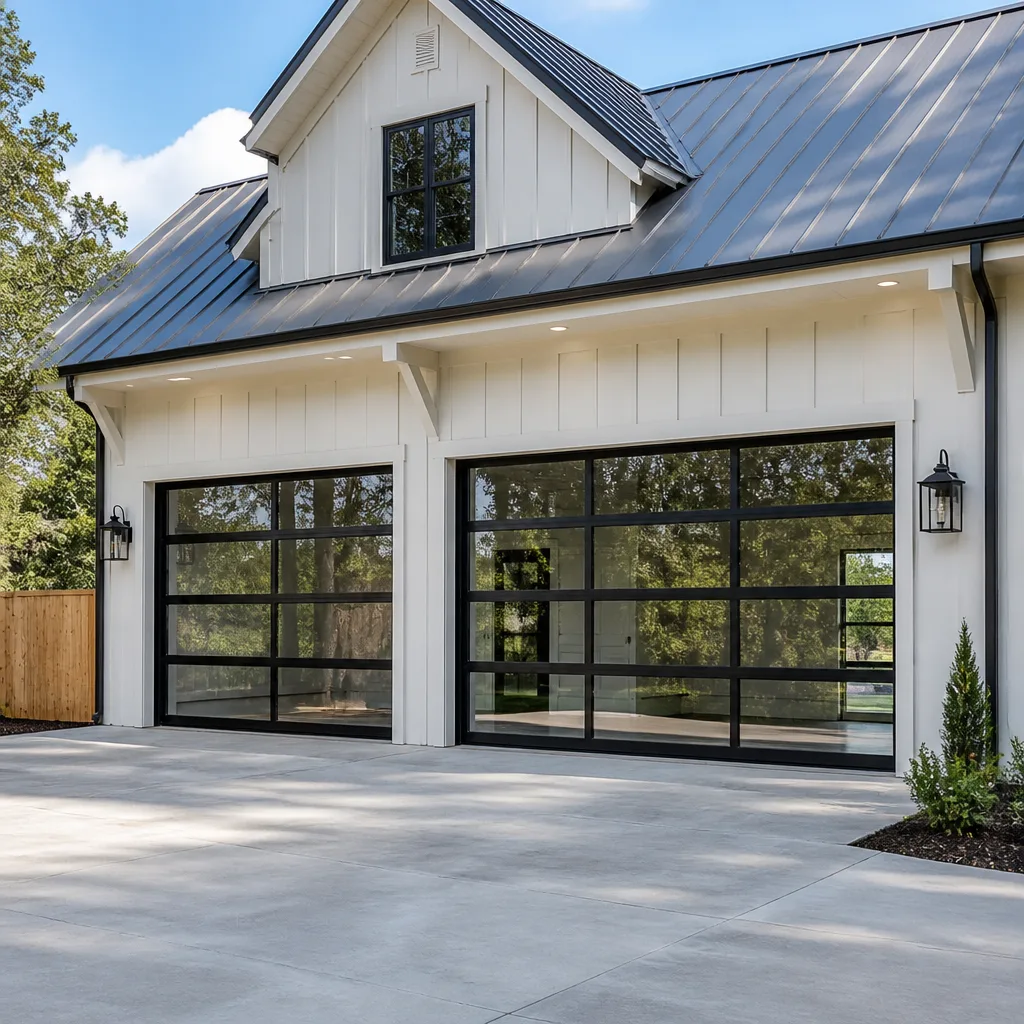 Full-view glass
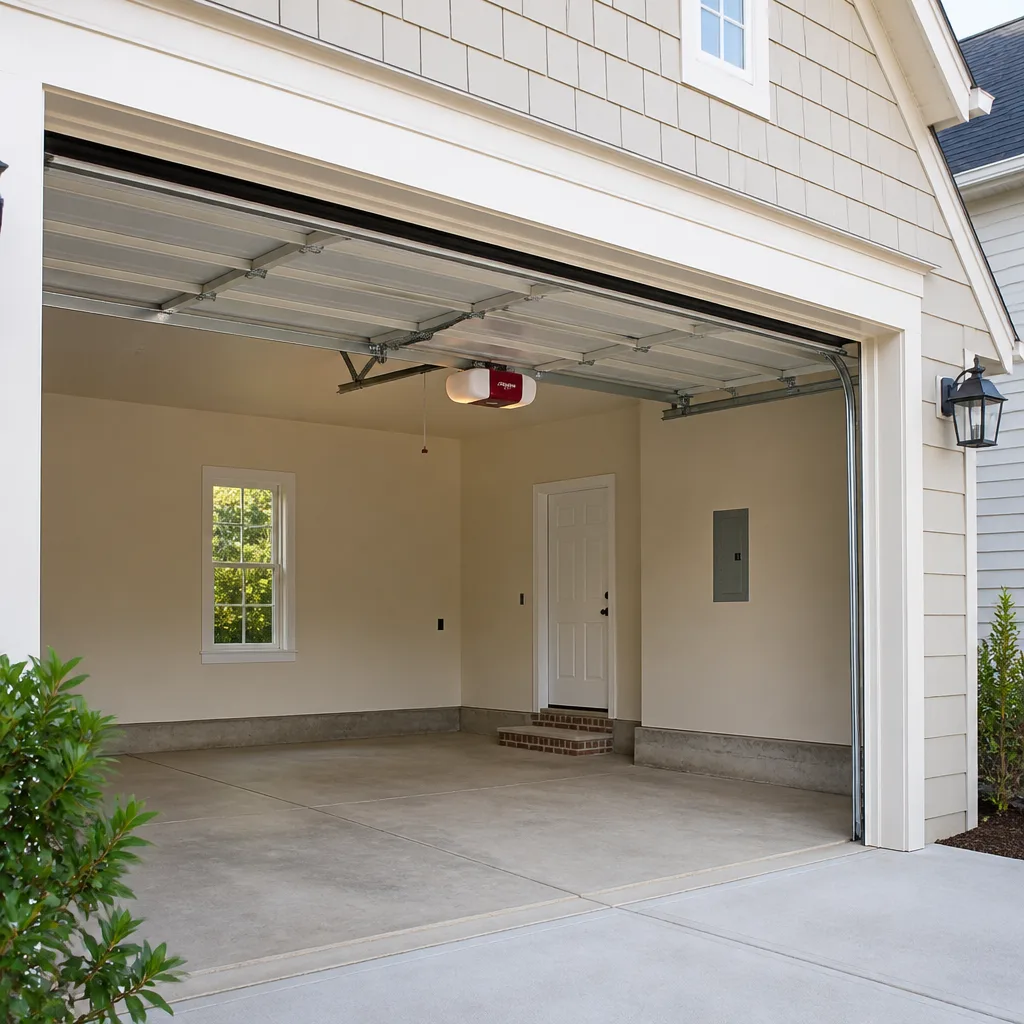 LiftMaster openers
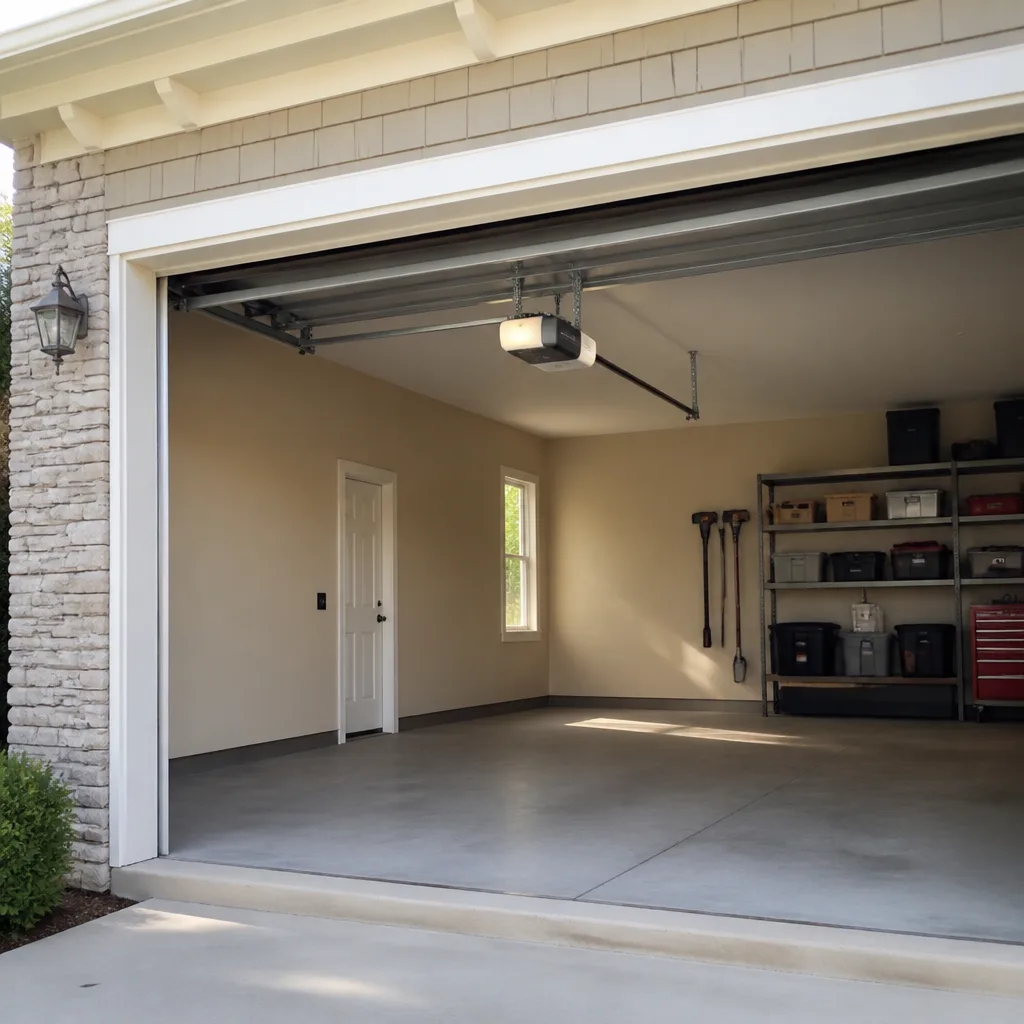 Chamberlain openers
Full 25-point door and opener safety check with every visit - springs, cables, rollers, tracks, and your LiftMaster or Chamberlain opener included
You get a price before we start. It does not change when the pro arrives.
Get your free estimateThe Complete Guide to Garage Doors in West Hartford
Most West Hartford garages were built before the torsion spring systems that every online guide treats as standard were common in residential construction. That single fact changes almost everything about how you should approach a repair, a replacement, or a door that’s been sticking since the last thaw. Advice written for a house built in 2005 often doesn’t apply to a 1950s colonial in Elmwood, and it definitely doesn’t account for the header clearance, track configuration, and weatherstripping demands of a Cape Cod built before modern overhead door hardware existed.
This guide is written from inside West Hartford, for the housing stock that’s actually here. You’ll learn how the freeze-thaw cycle along the Connecticut River valley wears out bottom seals faster than national maintenance tables suggest, which HOA and architectural review rules affect door style and color near West Hartford Center, and how to tell whether a mid-century garage structure can carry a modern door before you buy anything.
Quick Answer
Garage door work in West Hartford depends heavily on the age and construction of your specific garage, not on a universal standard. Pre-1970s garages in neighborhoods like Bishops Corner and Elmwood typically need clearance, track, and structural assessments that don’t apply to newer builds, and the local freeze-thaw cycle shortens the life of bottom seals and weatherstripping compared to national averages. The right approach is to identify your door and opener brand first, assess the structure second, and only then choose between repair and replacement.
Styles & brands we work with
- Raised-panel steel
- Carriage house
- Modern flush
- Full-view glass
- LiftMaster openers
- Chamberlain openers
Table of Contents
- How West Hartford’s Housing Stock Shapes Garage Door Choices
- Torsion vs. Extension Springs in Older West Hartford Garages
- The Connecticut River Valley Freeze-Thaw Cycle and Your Door Seals
- HOA and Architectural Review Rules in West Hartford Center and Charter Oak
- Brands, Models, and What’s Actually Available in Connecticut
- Can a 1950s or 1960s Garage Support a Modern Door?
- Repair or Replace: How to Decide
- A Maintenance Schedule That Fits This Climate
How West Hartford’s Housing Stock Shapes Garage Door Choices
West Hartford’s garage doors are a reflection of when the town’s neighborhoods were built, and that means the “standard” advice you find online rarely fits. A dense mix of 1920s – 1970s colonials, split-levels, and newer construction means the town has at least three distinct generations of garage construction, each with its own limitations.
In neighborhoods like Bishops Corner and Elmwood, the dominant colonial and Cape Cod footprint creates two recurring constraints:
- Low header clearance. Pre-1960s garages were often built with tighter ceiling heights, which limits torsion spring mounting options and can rule out certain high-lift track configurations. A door that fits a modern two-car garage may not clear the header in a 1950s Cape.
- Narrow door openings. Many older West Hartford garages were built for single vehicles with narrower openings than modern standards. That constrains the door sizes available without structural modification.
- Track configuration limits. Standard 12-inch radius track requires more overhead clearance than many mid-century garages provide. Low-headroom track or a different spring placement may be the only option without altering the structure.
- Original framing. In some cases the header and jambs have settled or been modified over decades of use, so a professional measure before ordering is essential.
Newer construction in town tends to be more forgiving, with 7-foot or 8-foot ceilings and standard 16-foot-wide openings that accept most modern door models without modification. But the older neighborhoods are where the real work happens, and that’s where national guides fail. If you’re noticing sticking, uneven travel, or a door that binds partway up, that’s often a track and clearance problem before it’s ever a spring problem. Learn more about garage door repair for the specific diagnostics.
Torsion vs. Extension Springs in Older West Hartford Garages
If your West Hartford home was built before roughly the mid-1970s, there’s a good chance your garage uses extension springs rather than the torsion system most modern doors rely on. That matters because the two systems fail differently, get replaced differently, and require different safety hardware.
Extension springs run along the horizontal tracks above the door and stretch as the door closes. Torsion springs mount on a shaft above the door and twist. Here’s how they compare in a West Hartford context:
- Extension springs are more common in pre-1970s garages and typically have a shorter service life. They’re also the system that historically needed safety cables, since a failed extension spring can release stored energy and travel. Modern code and best practice require those cables, and many older West Hartford garages are still missing them.
- Torsion springs are the standard in newer construction and offer more cycles and smoother operation. Converting an old extension-spring door to torsion is sometimes possible but depends on headroom, the door’s weight, and whether the shaft can be mounted safely.
Spring failure is a safety issue, not just an inconvenience. On torsion systems, the springs and cables are under extreme tension, and a DIY repair can cause serious injury. On extension systems, a failed spring can whip if it isn’t cabled. This is one job where we strongly recommend a trained technician. The cost of garage door spring repair is well below the cost of a hospital visit, and on a West Hartford door that’s been in place for decades, the surrounding hardware usually needs inspection too.
When a spring breaks, the door becomes very heavy and dangerous to lift. If your door won’t open, or opens a few inches and stops, stop pulling on it and have a technician look at it before you force anything.
The Connecticut River Valley Freeze-Thaw Cycle and Your Door Seals
West Hartford sits in the Connecticut River valley, and the freeze-thaw cycle here is harder on garage door seals and weatherstripping than the national maintenance tables account for. A door seal that would last five years in a mild climate may need attention more often here, because every freeze and thaw cycle flexes the rubber and works grit into the seal channel.
The practical consequences show up in a few places:
- Bottom seals. The rubber or vinyl bottom seal is the first to go. Repeated freezing and thawing makes it brittle, cracks it, and eventually lets water and cold air in under the door.
- Perimeter weatherstripping. The brush or vinyl strip along the jambs and header takes the same beating. When it compresses and stays compressed, your garage becomes a cold-air channel into the house.
- Track alignment. Ground movement from repeated freezing and thawing can shift track alignment just enough to make the door bind. A door that runs fine in summer may stick in January.
- Hardware lubrication. Cold weather thickens lubricant and stresses hinges and rollers. Winter is when most West Hartford stuck-door calls happen.
The takeaway is that a maintenance schedule built for a national average won’t protect a West Hartford garage. Check the bottom seal and perimeter stripping before the first hard freeze and again in early spring. If the seal is cracked or the door is leaving a visible gap when closed, replace it before winter sets in rather than after.
HOA and Architectural Review Rules in West Hartford Center and Charter Oak
If you live in West Hartford Center, Charter Oak, or any neighborhood with an active HOA or historic district review, the door you want to install may not be the door you’re allowed to install. Architectural review rules in these areas commonly restrict door style, panel design, color, and even window placement on the door face.
Before you order anything, work through these steps:
- Check your HOA documents first. Many West Hartford HOAs specify allowable door styles, colors, and materials. Some require a specific panel configuration or prohibit certain window inserts.
- Confirm historic district status. If your property falls within a historic district, the architectural review process can add time to a replacement project. Plan for it.
- Submit the request before ordering. A door ordered and installed before approval can end up needing to be replaced. That’s an expensive mistake.
- Get the approval in writing. Keep the paperwork so there’s no dispute later.
- Match the door to the house. In these neighborhoods, the resale value of a door that fits the architecture is higher than a modern-looking door that fights it.
If your HOA doesn’t specify and you’re unsure, contact your HOA board or the city’s building department before committing. In a neighborhood like Charter Oak, where the housing stock is largely consistent, a door that respects the streetscape also holds value better than one that doesn’t match.
Brands, Models, and What’s Actually Available in Connecticut
One of the most frustrating parts of shopping for a garage door online is discovering that the model in the showroom photo isn’t stocked in Connecticut, or that the replacement opener parts for your older system have to be ordered. The gap between national catalogs and local distributor inventory is real, and it’s worth understanding before you commit.
We work on the brand already in your garage, and that matters for parts. Our technicians are factory-familiar with Amarr, Wayne Dalton, Craftsman, and Raynor systems, among the eight major brands we service. That means when you call about a specific opener or door model, we can diagnose the system in front of us rather than guessing at parts.
Here’s what to consider about availability:
- Door models. Amarr and Wayne Dalton both have broad residential lines, but not every model in the catalog is stocked locally. Lead times vary by finish and size, so get a firm estimate on delivery before you plan around it.
- Opener hardware. Craftsman and Raynor systems in older West Hartford homes can require specific replacement parts. A technician who knows the brand saves you the back-and-forth of wrong parts and return shipping.
- Local distributor relationships. Local supply matters when a job needs a part in the middle of winter. It’s worth asking whether the part is on hand or has to ship.
- Compatibility traps. Some older openers don’t accept modern safety sensors or remotes without an adapter. Knowing this before install avoids a surprise.
If you’re planning a new installation, the right sequence is to measure the garage, confirm the door model and finish are available in Connecticut, and only then schedule. The garage door opener repair side of the job works the same way: brand-specific diagnostics first, generalist fixes never.
Can a 1950s or 1960s Garage Support a Modern Door?
This is the question most West Hartford homeowners ask too late, after the door is ordered. A mid-century garage was built for the door and opener technology of its era, and modern doors are often heavier, with different spring loads and opener requirements. Before you buy, you need to know whether the structure can carry the weight.
Work through this assessment:
- Measure header clearance. A modern door needs a specific amount of headroom for the torsion shaft and track. If the header is too low, you’ll need a low-headroom configuration or structural modification.
- Check the header and jambs for settling or rot. Decades of freeze-thaw and moisture can weaken the framing. A door that’s heavier than the original may expose a weak header.
- Confirm the track mounting points. Modern track hardware needs sound anchoring. If the original mounting points are compromised, they need to be addressed before install.
- Assess the opener requirements. Modern openers need a properly balanced door and a sound mounting point at the ceiling. Some older garages don’t have a suitable opener mounting location without added framing.
- Get a professional measure before ordering. A structure assessment is one of the few things that can’t be done accurately from a photo or over the phone.
If you’re not sure whether your garage is up to a modern door, the answer isn’t to guess. Ask a technician to assess the structure before you order anything. A door that doesn’t fit, or that overstresses the structure, is a far more expensive problem than a measure and an honest recommendation.
Repair or Replace: How to Decide
The repair-versus-replace question is where honest advice matters most, and where we try to be plain: repair or replace, we’ll tell you which one makes sense. The right answer depends on the door’s age, the condition of the panels and hardware, and whether the underlying problems are cosmetic or structural.
Roughly, here’s how we think about it:
- Repair usually wins when the door panels are sound, the springs and opener are the problem, and the door is balanced and traveling smoothly otherwise. Most spring, opener, and weatherstripping jobs fall here.
- Replacement makes more sense when panels are dented, rotted, or separating, when the door is out of balance with no fixable cause, or when the door is simply past its serviceable life and every repair becomes a patch.
- Repair now, replace later is a valid middle path when the door has some life left but you’re planning a replacement within a couple of years. We’ll say so rather than pushing a job you don’t need yet.
What we avoid is the sales pitch that turns every repair call into a replacement quote. If a spring replacement solves your problem, that’s the recommendation. If the door is beyond saving, we’ll tell you and walk through what a replacement involves, including the structural assessment and any HOA approval. Our technicians have up to 15 years of experience across the brands we service, so the recommendation is grounded in the system in front of us.
A Maintenance Schedule That Fits This Climate
A maintenance schedule built for a national average won’t protect a West Hartford garage, because the freeze-thaw cycle here stresses seals and hardware faster than the generic tables assume. Here’s a schedule tuned for the local climate.
- Before the first freeze: check the bottom seal and perimeter weatherstripping for cracks and gaps. Replace worn seal before winter, not after.
- Monthly: test the door balance by disconnecting the opener and lifting the door halfway. A balanced door should stay in place. A door that drifts or drops is out of balance.
- Monthly: test the safety reverse. Place an object in the door’s path and confirm the door reverses. This is the most important safety check on any opener.
- Twice a year: inspect hinges, rollers, and track for wear and debris. Clean and lubricate moving parts with a lubricant appropriate for cold weather.
- Each spring: check track alignment and listen for new sounds on opening and closing. Grinding, squealing, or uneven travel are early warning signs.
- Annually: have a technician inspect springs, cables, and opener hardware, especially on older extension-spring systems that may be missing safety cables.
These aren’t complicated tasks, but they’re the ones that get skipped. A ten-minute monthly check catches most of the problems that turn into emergency calls in January.
Common Mistakes to Avoid
- Ordering a door before measuring the garage. In older West Hartford neighborhoods, low header clearance and narrower openings are common. Measure before you buy, not after.
- Ignoring HOA and historic district rules. In West Hartford Center and Charter Oak, a door installed without approval can be a costly reversal. Submit first, order second.
- Treating an extension-spring door like a torsion door. The replacement parts, safety hardware, and conversion options are completely different. Know which system you have.
- Pulling on a door with a broken spring. It’s very heavy and it’s a genuine safety risk. Call a technician before you force it.
- Assuming a national maintenance table applies here. The freeze-thaw cycle in the Connecticut River valley is harder on seals and hardware than the generic schedule suggests. Check seal before the first freeze.
- Buying an opener without checking compatibility. Older West Hartford systems from Craftsman, Raynor, and other brands may not accept modern sensors and remotes without an adapter.
- Skipping the review of your door’s structure before installing a heavier modern door. A mid-century garage may not carry a modern door’s weight without reinforcement.
See the difference
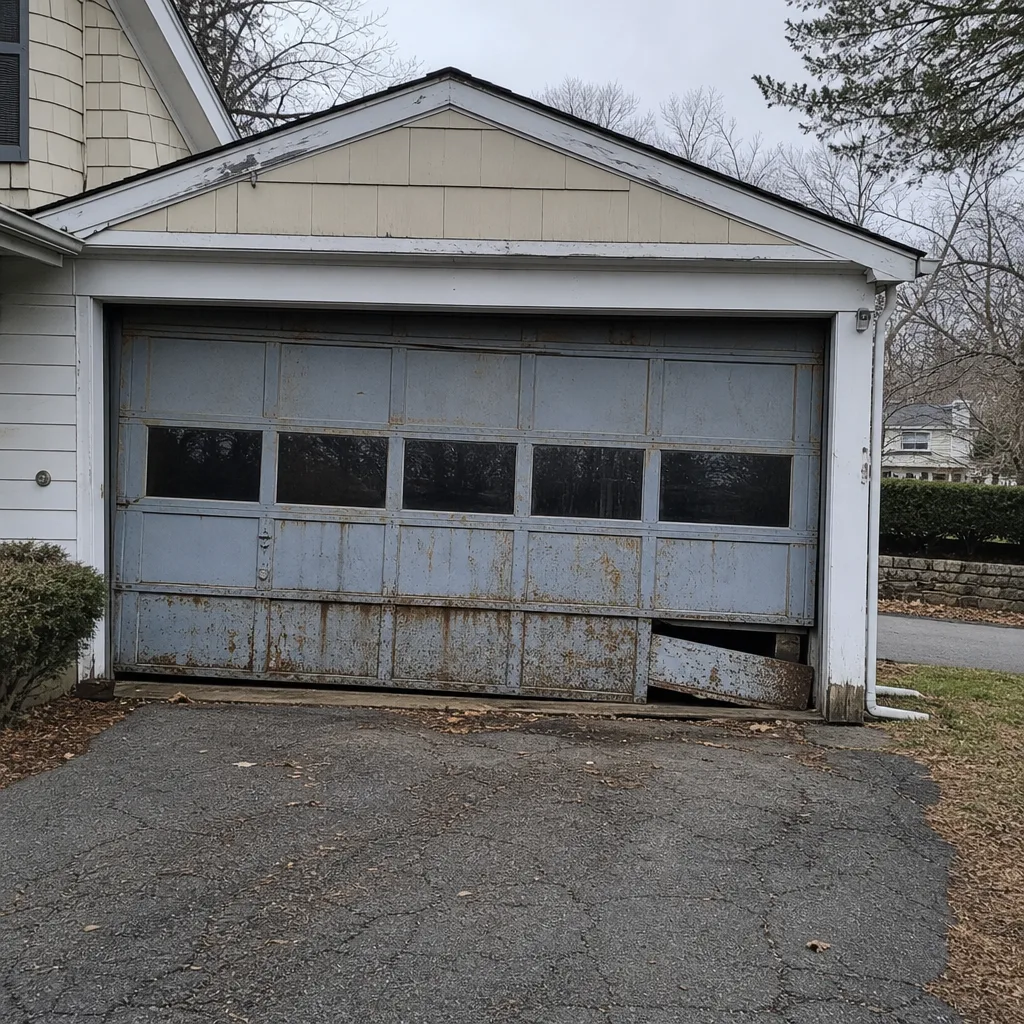 Before
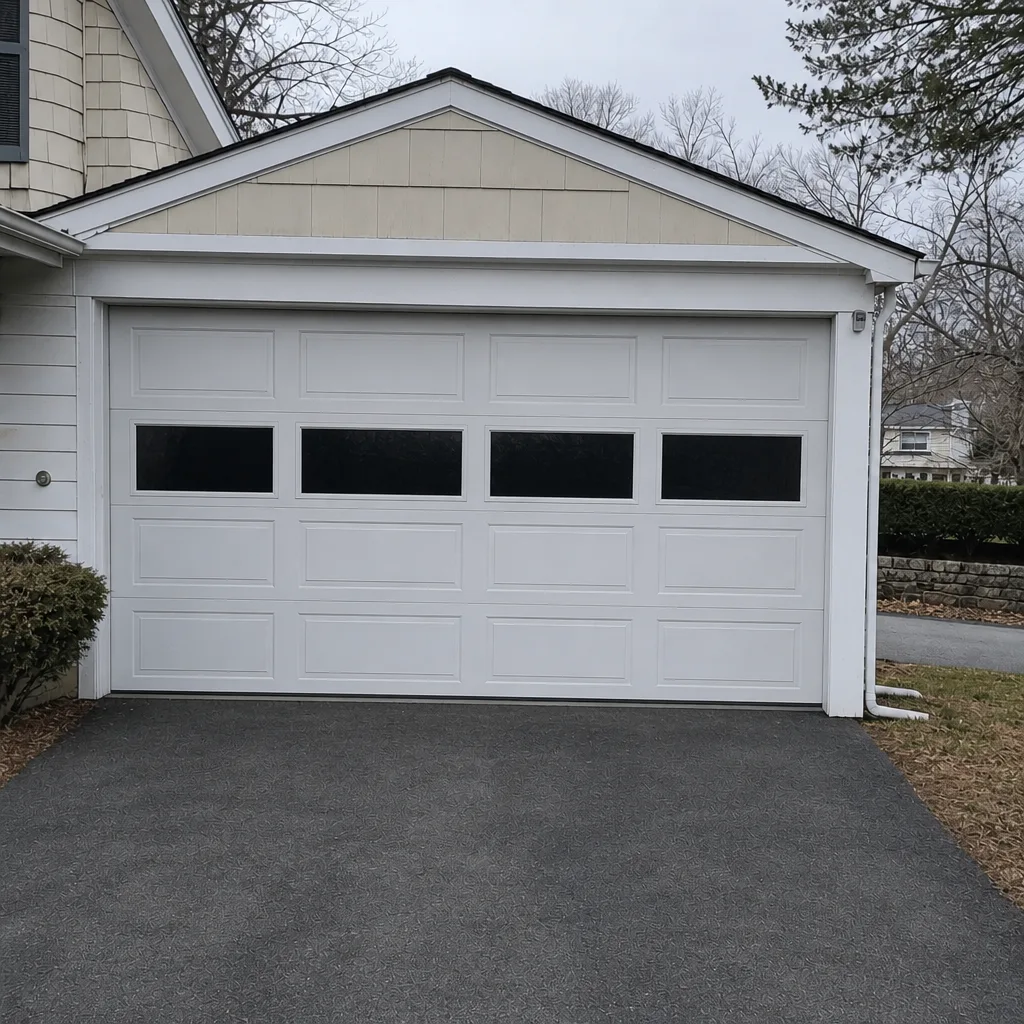 After
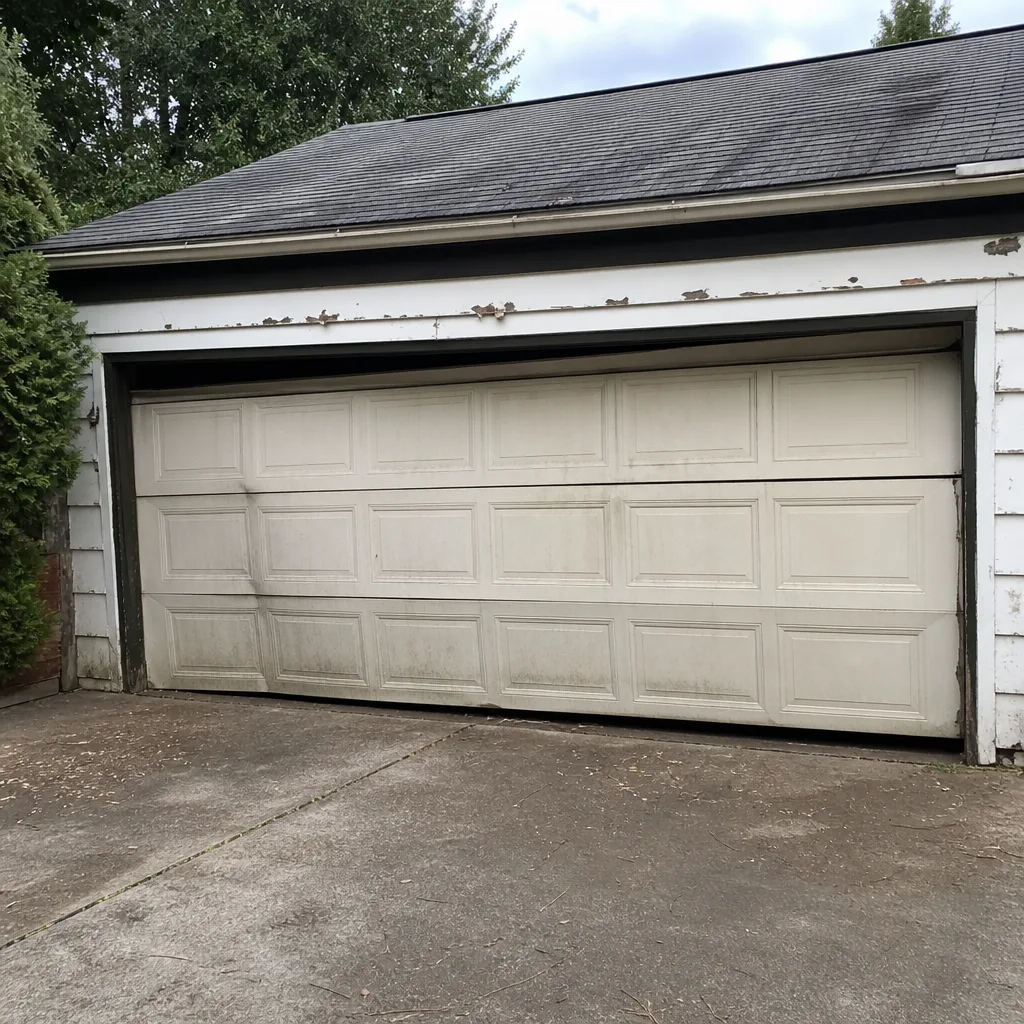 Before
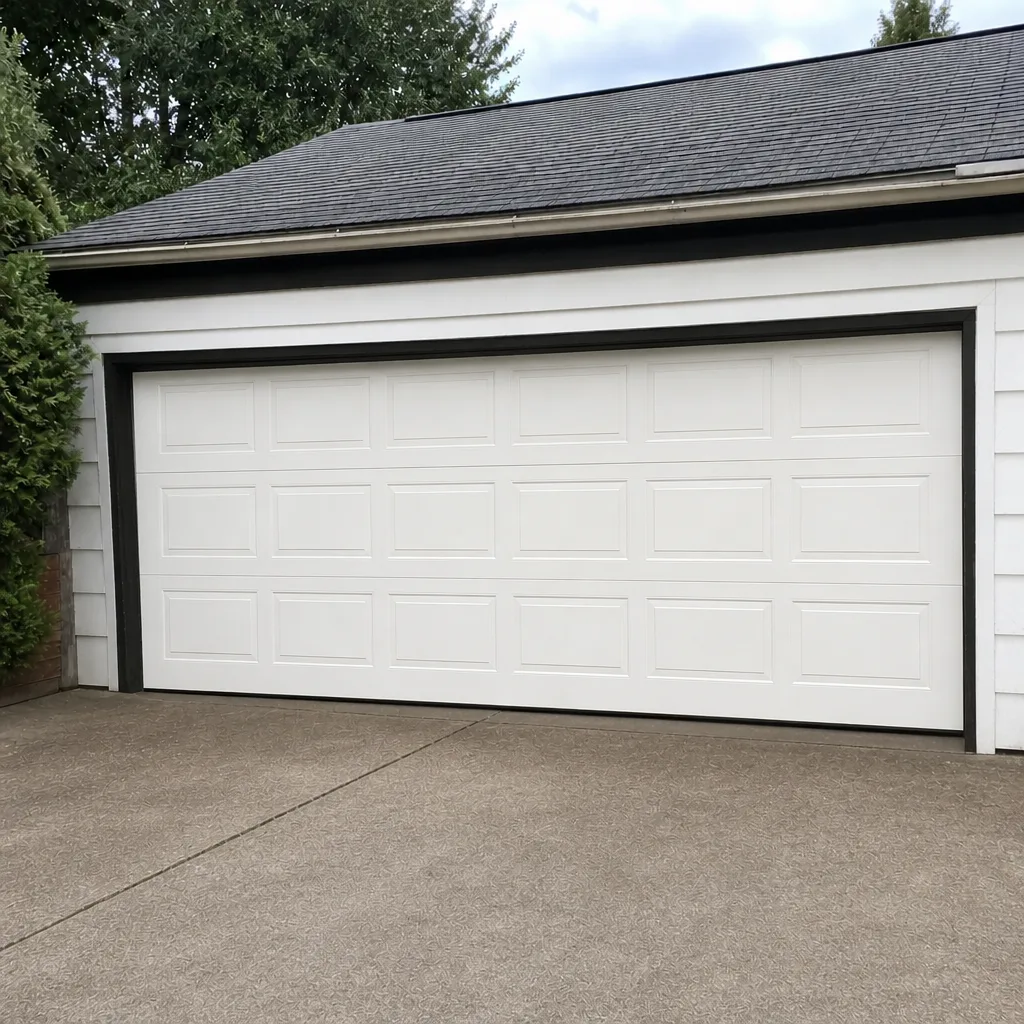 After
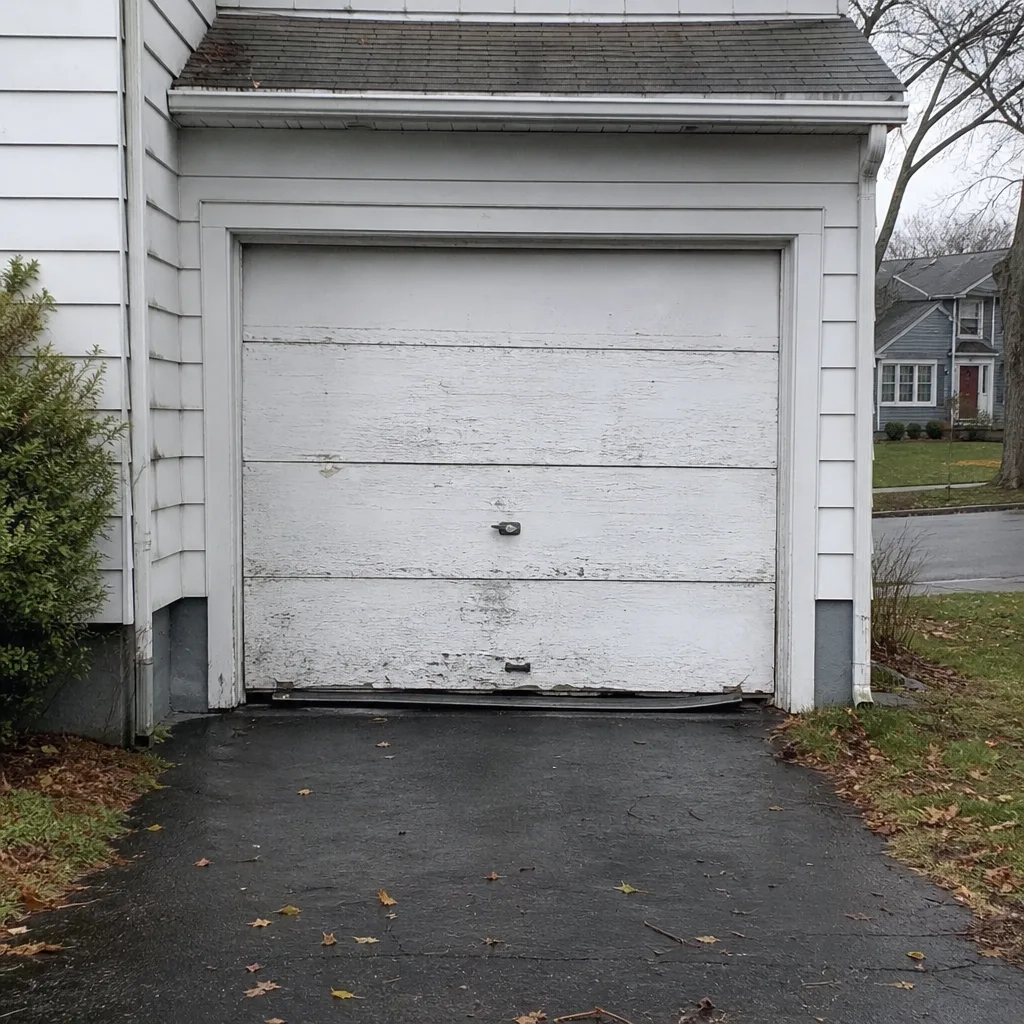 Before
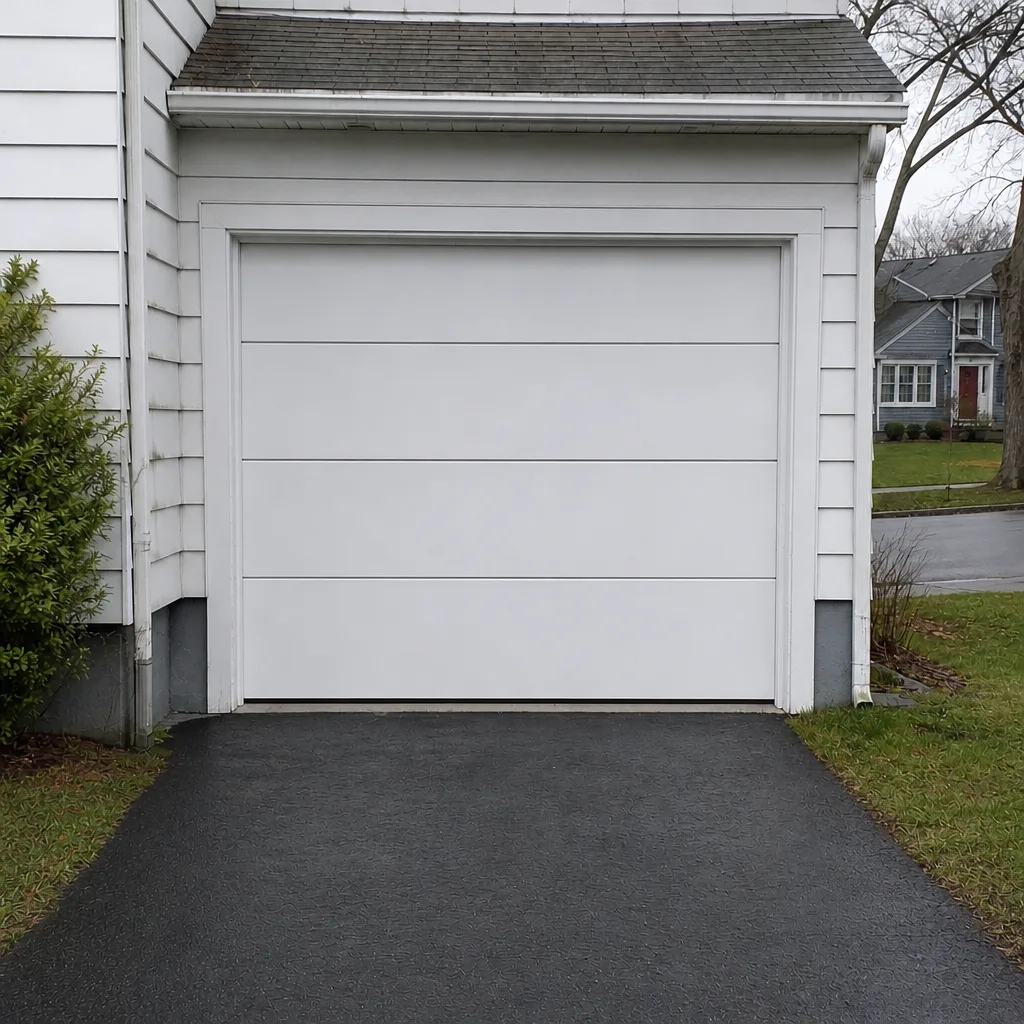 After
When to Call a Professional
Some garage door problems really do need a technician, and it’s worth knowing which ones. Call a professional if a spring has broken or your door won’t lift, if the door is coming off its track, if the opener runs but the door doesn’t move, or if the door reverses unexpectedly. Those are the situations where DIY repair turns into an injury or makes the damage worse. Spring work in particular is where we’d advise against going it alone, because of the stored energy and the potential for a spring or cable to release.
For planned work, whether that’s a replacement, an opener upgrade, or a structural assessment before buying, the right call is a measure and a written price. West Hartford Garage Door Repair Pros offers free estimates in West Hartford. We connect you with local professionals who are licensed and insured as their state requires, and the price is quoted and agreed before any work starts. Call (855) 337-1712 for an estimate.
Frequently Asked Questions
Spring repair in West Hartford typically falls in a predictable range depending on whether it’s one spring or a matched pair, and the written estimate sets the final price. Because older garages in neighborhoods like Elmwood often have extension springs, and newer construction uses torsion systems, the two jobs aren’t priced the same. Call (855) 337-1712 for an exact quote. Estimates are free.
Yes, emergency garage door service is a core part of what we do in West Hartford, and a door that won’t open or won’t close gets priority. If the door is stuck, don’t force it, especially if you suspect a broken spring. Call (855) 337-1712 and we’ll get a technician out to look at it.
No. The price is quoted and agreed before any work starts, so the written estimate is what you pay. What can change is the recommended scope if a technician finds a hidden problem, like a compromised header or a failed cable. In that case you’ll get a revised quote before anything happens, and you decide.
The local pro we connect you with is licensed and insured as their state requires, and our technicians have up to 15 years of experience across the brands we service. We service Amarr, Wayne Dalton, Craftsman, Raynor, LiftMaster, Chamberlain, Genie, and Clopay systems, so the diagnosis is brand-specific rather than generic.
In most cases yes, but it depends on the garage’s header clearance, framing condition, and track mounting points. Mid-century garages were built for the doors of their era, and modern doors are often heavier. A professional measure before you order tells you what’s possible and whether any reinforcement is needed. Call (855) 337-1712 for a free estimate.
If you live in West Hartford Center, Charter Oak, or any neighborhood with an active HOA or historic district review, likely yes. Architectural review rules commonly restrict door style, panel design, and color. Check your HOA documents and get approval in writing before you order anything. If your property is in a historic district, confirm the review timeline as part of your project planning.
The Bottom Line
West Hartford’s garage doors are shaped by the town’s housing stock, its climate, and its neighborhood rules. Older colonials and Capes in Bishops Corner and Elmwood often have clearance and structural limitations that national guides ignore, and the freeze-thaw cycle along the Connecticut River valley wears out seals faster than generic maintenance tables suggest. The right approach is to identify the system you have, measure your structure, check your HOA rules, and get an honest recommendation on repair versus replacement before you spend anything. West Hartford Garage Door Repair Pros connects you with local professionals who work on your specific brand, and the price is agreed before any work starts.
West Hartford Garage Door Repair Pros provides residential repair, opener repair, spring repair, installation, and emergency service across West Hartford. We work on the brand already in your garage, with capabilities spanning Amarr, Wayne Dalton, Craftsman, Raynor, LiftMaster, Chamberlain, Genie, and Clopay systems. Our technicians have up to 15 years of experience, and the local pro we connect you with is licensed and insured as their state requires. For a free estimate and a written price before work starts, call (855) 337-1712.
Written by the team at West Hartford Garage Door Repair Pros.